

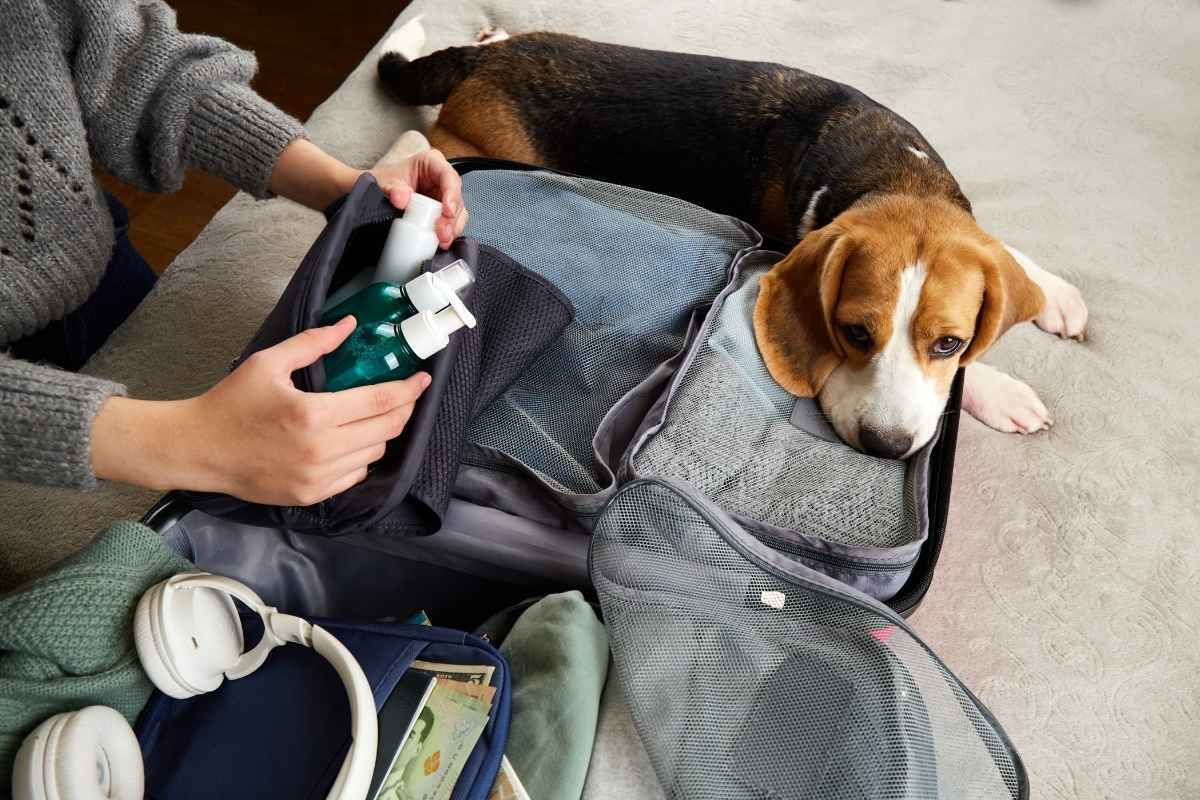
When your beloved furry friend needs a medical procedure, feeling prepared can ease both your anxiety and theirs. Just like humans benefit from having comfort items during hospital stays, your pet deserves the same thoughtful preparation. Whether facing routine surgery or an unexpected procedure, having a well-packed hospital bag ensures your pet receives optimal comfort while recovering.
Creating a comprehensive pet’s hospital bag isn’t just about convenience—it’s about providing familiar scents, textures, and items that help reduce stress during an already challenging time. This guide walks you through every essential item your four-legged family member needs for their hospital stay.
Understanding Your Pet’s Hospital Needs:
Why Hospital Bags Matter for Pets
Animals experience stress differently than humans, relying heavily on familiar scents and objects for comfort. A properly prepared hospital bag bridges the gap between home and the clinical environment. Your pet’s favorite blanket or toy carries comforting pheromones that signal safety during recovery.
Veterinary teams appreciate when owners arrive organized. Having essential items readily available streamlines the admission process and helps staff provide personalized care.
Essential Documents and Information:
Medical Records to Include
Start your checklist with paperwork—the foundation of smooth veterinary care. Pack recent vaccination records, previous surgery notes, and current medication lists in a waterproof folder. Include your regular veterinarian’s contact information if visiting a specialist.
Write down your pet’s feeding schedule, behavioral quirks, and any known allergies on a single sheet. This quick reference helps veterinary staff maintain routines that comfort your pet.
Emergency Contact Details
Create a contact card listing your phone numbers, an alternate emergency contact, and your preferred after-hours clinic. Include your pet insurance information and policy numbers if applicable.
Comfort Items That Reduce Anxiety:
Familiar Bedding and Blankets
Pack an unwashed blanket or small bed carrying your pet’s scent. These items provide emotional anchoring during stressful moments. Choose older items you won’t mind getting soiled or lost, as procedures sometimes result in accidents.
Avoid items with loose threads, buttons, or decorations that could pose choking hazards during recovery.
Favorite Toys and Security Objects
Select one or two washable toys your pet loves. Soft, non-squeaky options work best in hospital settings. These familiar objects offer distraction and comfort without disturbing other patients.
Nutrition and Feeding Essentials:
Special Foods and Treats
Bring enough of your pet’s regular food for their expected stay plus an extra day. Sudden diet changes can cause digestive upset—something you want to avoid post-procedure. Pre-portion meals in labeled bags with feeding instructions.
Include a few high-value treats approved by your veterinarian. These help with post-procedure appetite stimulation and positive reinforcement during recovery.
Bowls and Feeding Accessories
Pack collapsible silicone bowls that save space and clean easily. If your pet uses elevated feeders or special dishes, include those too. Maintaining normal eating positions aids digestion and comfort.
Medication and Health Supplies:
Current Prescriptions
Organize all current medications in original containers with clear labels. Create a medication schedule chart showing exact dosing times and amounts. Never assume the hospital will have your pet’s specific prescriptions on hand.
Include any supplements or special shampoos your pet requires. Even trusted facilities like Park Grove Pet Hospital appreciate it when owners provide pet-specific items that maintain continuity of care.
First Aid Basics
While hospitals provide medical supplies, having backup items helps during discharge. Pack extra gauze, pet-safe wound spray, and any prescribed recovery cones or wraps.
Recovery and Post-Procedure Items:
Carrier Preparation
Ensure your carrier is clean, secure, and appropriately sized. Line it with absorbent pads in case of accidents during transport home. Secure all latches and check for wear that might compromise safety.
Attach clear identification tags with current contact information to the carrier exterior.
Comfort Accessories
Consider packing recovery suits or surgical onesies if your pet tolerates clothing. These alternatives to traditional cones often provide better mobility while protecting incision sites.
Include pet-safe heating pads for breeds sensitive to anesthesia-related temperature drops.
Special Considerations for Different Procedures:
Overnight Stay Preparations
Extended stays require additional planning. Pack enough supplies for the entire duration plus contingencies. Include your pet’s regular grooming brush to maintain coat health and provide bonding moments during visits.
Whether you’re preparing for pet surgery cottage grove residents trust or visiting any veterinary facility, thorough preparation ensures the best possible experience.
Day Procedure Essentials
Shorter procedures still benefit from thoughtful packing. Focus on immediate comfort items and clear discharge instruction folders. Include towels for the car ride home, as some pets experience mild nausea post-anesthesia.
Creating Your Pre-Procedure Checklist:
One Week Before
Start gathering items early to avoid last-minute stress. Wash and prepare comfort items, refill prescriptions, and update emergency contacts. Schedule any required pre-operative appointments.
Night Before Preparations
Double-check your packed bag against your list. Confirm fasting instructions and set multiple alarms if early arrival is required. Charge your phone for important calls and updates.
Place the hospital bag, carrier, and car keys together near your door.
Preparing your pet’s hospital bag transforms a potentially stressful experience into a manageable one. By thoughtfully packing comfort items, essential documents, and recovery supplies, you’re advocating for your pet’s well-being during vulnerable moments.
Remember, the most important element isn’t perfection—it’s preparation that shows your veterinary team you’re an engaged, caring pet parent ready to support your furry friend’s healing journey. Take action today by starting your hospital bag checklist, ensuring you’re ready whenever your pet needs medical care.
Frequently Asked Questions:
Q1: What items should I avoid packing in my pet’s hospital bag?
Ans: Avoid valuable items, toys with small parts that could be swallowed, and strongly scented products that might overwhelm sensitive post-procedure noses. Skip rawhides or hard chews that could interfere with anesthesia recovery.
Q2: How early should I start preparing my pet’s hospital bag?
Ans: Begin gathering items at least one week before scheduled procedures. This timeline allows you to purchase any missing supplies and reduces pre-procedure stress for both you and your pet.
Q3: Should I pack different items for cats versus dogs?
Ans: Yes, cats often benefit from familiar litter and small hiding spaces like covered beds, while dogs typically prefer larger comfort items and longer-lasting chew toys. Consider your pet’s species-specific stress responses when packing.
Q4: Can I visit my pet during their hospital stay, and what should I bring?
Ans: Most facilities encourage visits during specified hours. Bring quiet comfort items and avoid exciting toys or treats unless approved by veterinary staff, as these might interfere with recovery protocols.
Q5: What information should I write down for the veterinary team?
Ans: Document your pet’s normal behavior patterns, favorite petting spots, fear triggers, and successful calming techniques. Include specific commands they respond to and any aggression warnings that ensure staff safety.
Q6: How do I keep my pet’s hospital bag organized for emergency situations?
Ans: Maintain a ready-to-go emergency bag with non-perishable items, updated quarterly. Store it in an easily accessible location with a checklist attached, reviewing contents seasonally to ensure everything remains current and functional.