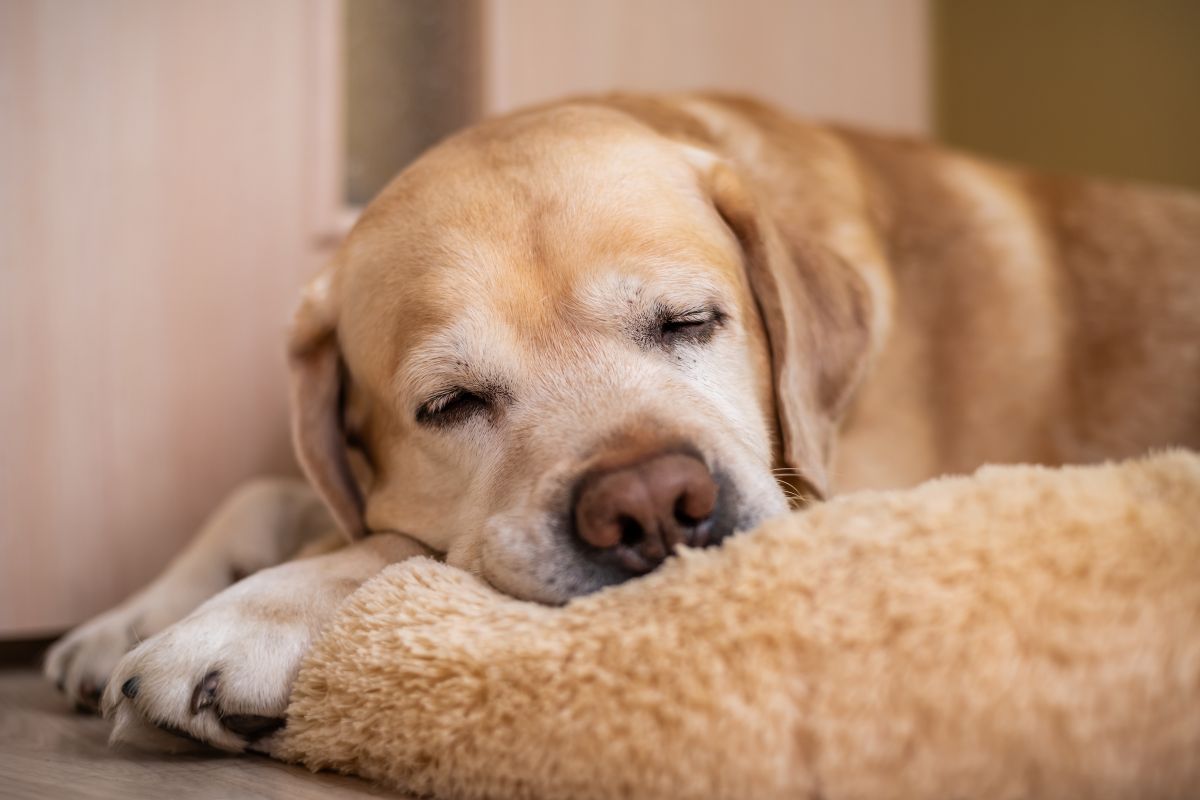


Neutering is a routine procedure, but your dog’s recovery depends heavily on the care you provide afterward – especially nutrition. A proper post-surgery diet helps reduce discomfort, supports healing, and restores your dog’s energy levels more quickly. Knowing what to feed (and what to avoid) can make a meaningful difference in how smoothly your dog recovers.
This guide explains the best foods, feeding practices, and nutritional tips to help your dog heal safely after neuter surgery, along with practical advice every pet owner should know.
Why Diet Matters After Neuter Surgery
After surgery, your dog’s body shifts into recovery mode. Appetite may decrease temporarily due to anesthesia, while metabolism can slow down. At the same time, the body needs nutrients to repair tissues and prevent infection.
Feeding the right food ensures:
- Faster healing of surgical wounds
- Reduced inflammation
- Improved digestion
- Maintenance of healthy weight
What to Feed Your Dog After Neutering
1. Easily Digestible Foods
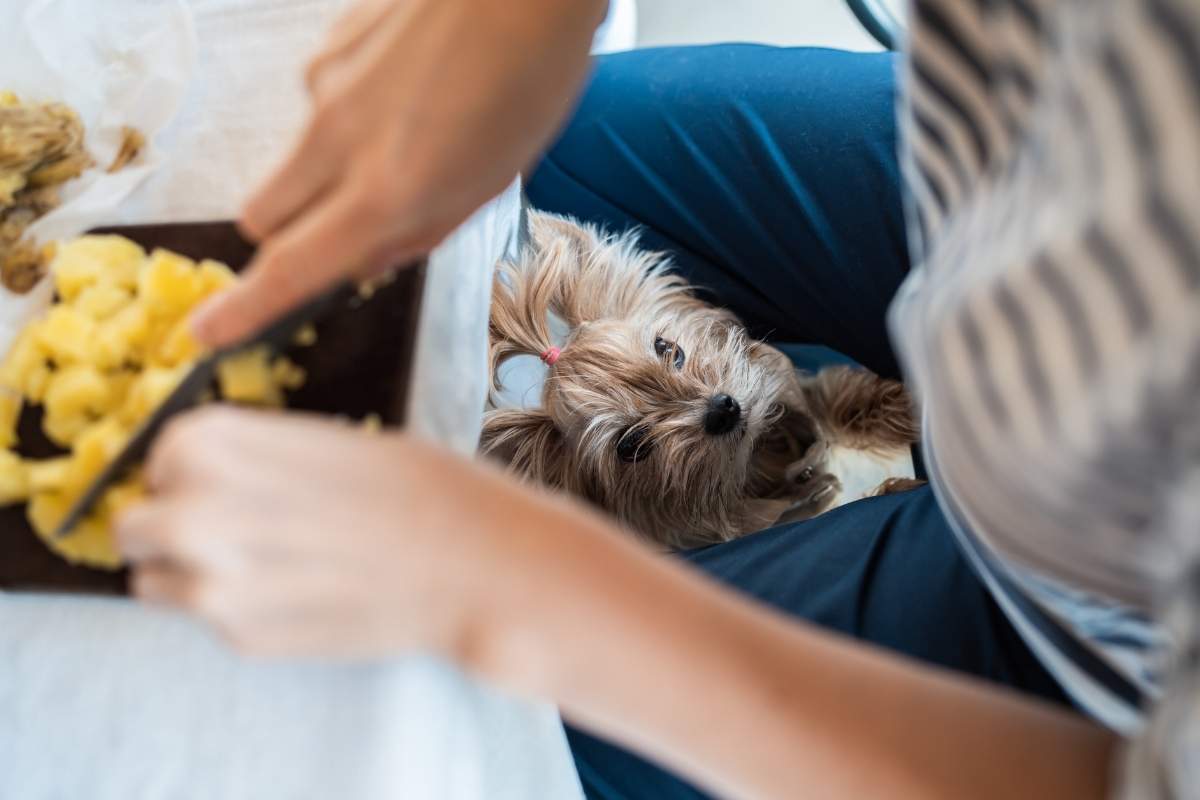
In the first 24–48 hours, your dog may have a sensitive stomach. Start with small portions of bland, easily digestible food such as:
- Boiled chicken (skinless, unseasoned)
- Plain white rice
- Boiled pumpkin (for digestion support)
These foods are gentle on the stomach and help prevent nausea or vomiting.
2. High-Quality Protein Sources
Protein plays a crucial role in tissue repair. Once your dog regains appetite, gradually reintroduce high-quality protein like:
- Lean turkey
- Fish (boneless and cooked)
- Commercial dog food with real meat as the primary ingredient
Avoid fatty or processed meats, as they can slow digestion and cause discomfort.
3. Hydration is Essential
Water intake is just as important as food. Ensure your dog has constant access to clean, fresh water. Dehydration can delay healing and worsen fatigue.
If your dog isn’t drinking enough:
- Offer ice cubes
- Mix a small amount of low-sodium broth into water
4. Fiber for Digestive Health
Post-surgery inactivity can lead to constipation. Adding fiber helps regulate bowel movements.
Good options include:
- Plain canned pumpkin
- Cooked carrots
- Small portions of green beans
5. Transition Back to Regular Diet
After 3–5 days, if your dog is eating normally and shows no digestive issues, you can gradually transition back to their regular diet. Mix small amounts of regular food with bland meals until the transition is complete.
Foods to Avoid After Neuter Surgery
Certain foods can interfere with recovery and should be avoided:
- Fatty or greasy foods
- Dairy products (may cause stomach upset)
- Raw foods (higher risk of bacteria)
- Treats with artificial additives
Keeping meals simple and clean is key during recovery.
Portion Control and Feeding Schedule
After neutering, your dog’s energy levels may decrease, which can lead to weight gain if overfed.
Tips for proper feeding:
- Serve smaller, more frequent meals initially
- Monitor appetite and adjust portions accordingly
- Avoid free feeding
Your veterinarian may recommend slight calorie adjustments based on your dog’s breed and size.
Supporting Recovery Beyond Diet
Nutrition is just one part of the recovery process. Combine a proper diet with:
- Limited physical activity
- A clean, quiet resting area
- Regular monitoring of the incision site
If your dog shows signs of discomfort, loss of appetite beyond 48 hours, or unusual behavior, consult your veterinarian promptly.
In some cases, follow-up care after veterinary surgery may include dietary adjustments tailored to your dog’s specific needs. Professional guidance ensures your dog recovers without complications.
When to Consult a Veterinarian
While most dogs recover smoothly, certain signs require immediate attention:
- Persistent vomiting or diarrhea
- Refusal to eat for more than two days
- Swelling or discharge at the surgical site
- Lethargy or unusual behavior
Proper post-operative care, including nutrition, is often discussed during your pet’s veterinary surgery follow-up visit to ensure everything is healing as expected.
Personalized Care Matters
Every dog is different. Factors like age, breed, and overall health influence recovery and dietary needs. Working with a trusted veterinary team helps ensure your dog gets the right nutrition plan for a safe recovery.
At Park Grove Pet Hospital, experienced professionals can guide you through every step of post-surgical care. If you have concerns about your dog’s diet or recovery, schedule your appointment today for expert advice tailored to your pet.
Frequently Asked Questions:
Q1. How soon can my dog eat after neuter surgery?
Ans. Most dogs can eat a small meal within 12–24 hours after surgery, depending on their appetite and recovery from anesthesia.
Q2. What if my dog refuses to eat after surgery?
Ans. It’s normal for dogs to have a reduced appetite initially. If your dog refuses food for more than 48 hours, consult your veterinarian.
Q3. Can I give my dog treats during recovery?
Ans. It’s best to avoid treats for a few days. If needed, offer small amounts of healthy, bland options instead.
Q4. Should I switch to special dog food after neutering?
Ans. Some dogs benefit from weight-management formulas, especially if activity levels decrease. Consult your vet before making changes.
Q5. Is vomiting normal after surgery?
Ans. Mild nausea can occur due to anesthesia, but persistent vomiting is not normal and should be checked by a veterinarian.
Q6. How do I know if my dog is recovering properly?
Ans. Signs of proper recovery include normal eating, stable energy levels, and a clean, healing incision site.