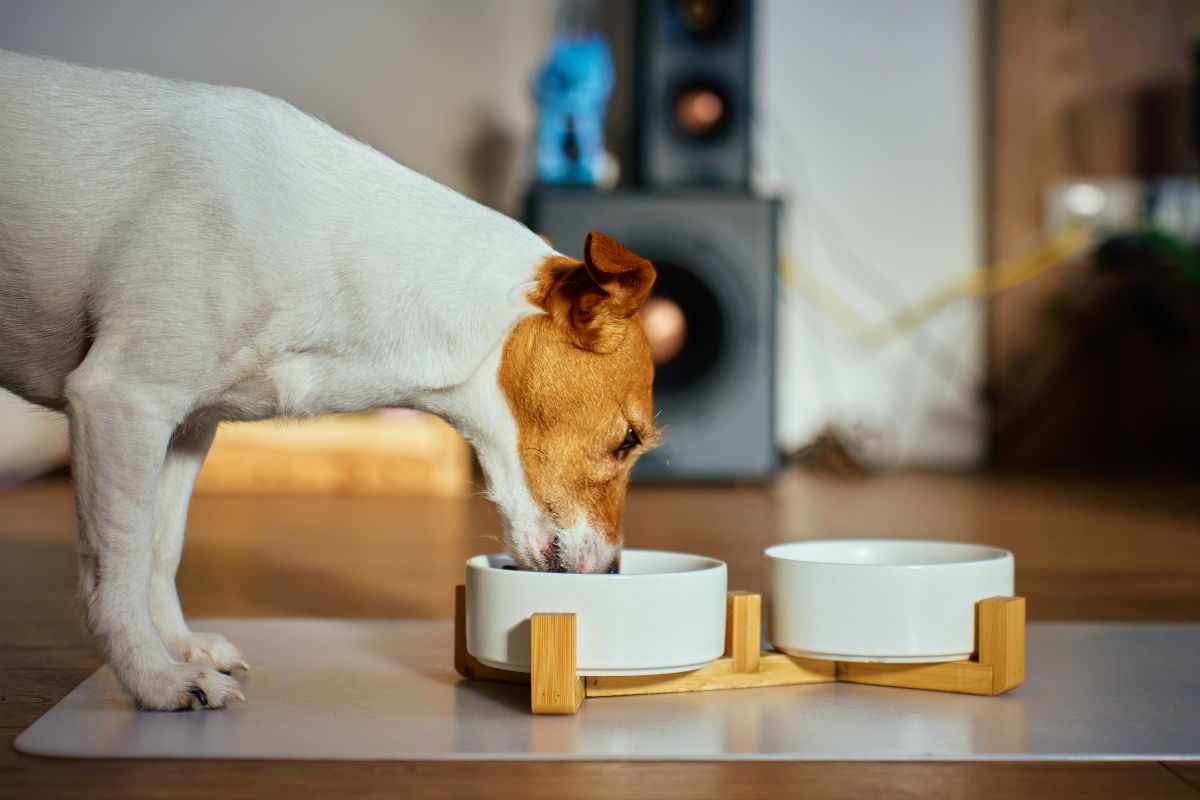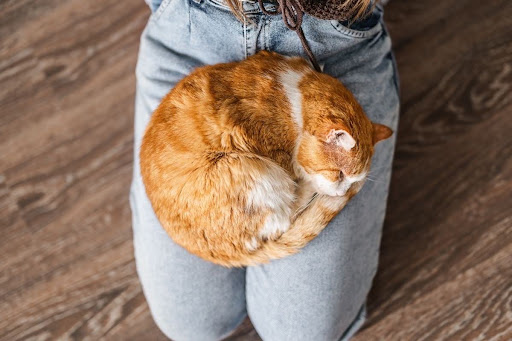


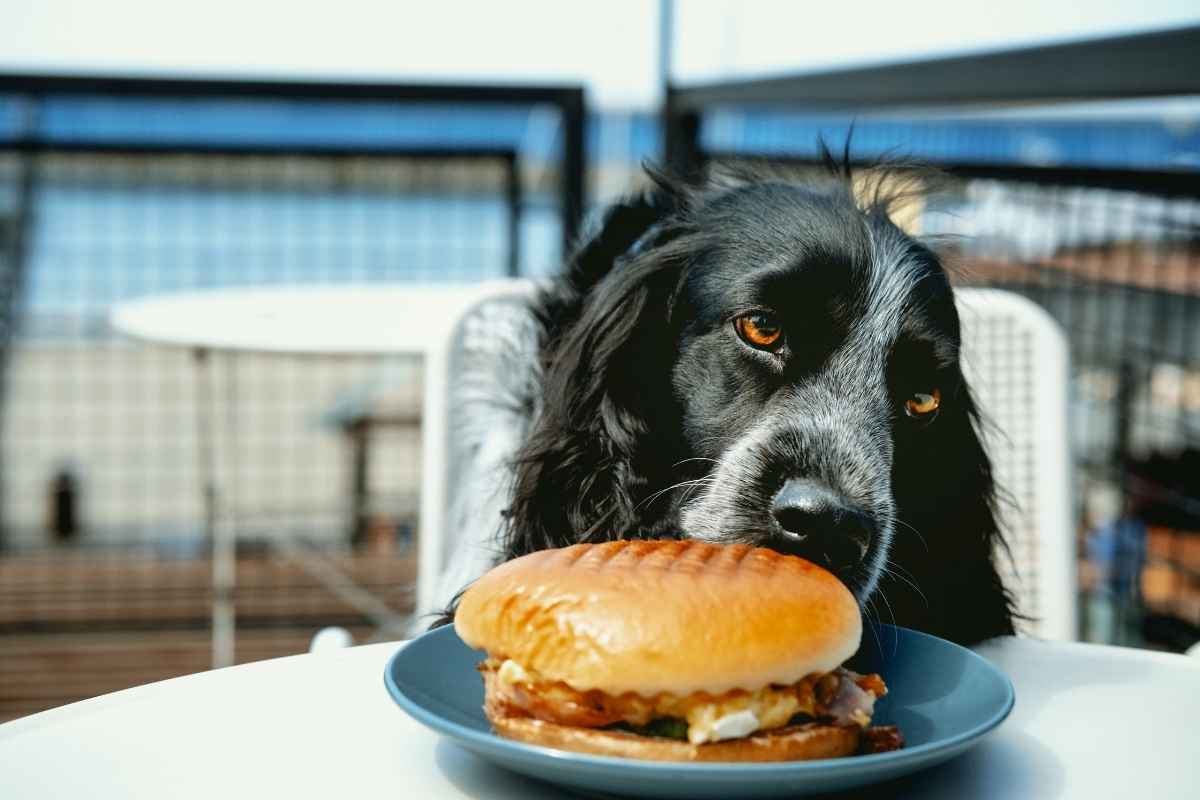
Most pet owners have experienced the moment when their dog or cat finishes a large meal and suddenly becomes sleepy, sluggish, or uninterested in activity. While many people jokingly refer to this as a “food coma,” overeating in pets can sometimes be more serious than simple post-meal tiredness. Understanding the difference between normal fullness and symptoms that may require medical attention is important for protecting your pet’s health.
Dogs and cats may overeat for many reasons, including fast eating habits, access to extra treats, scavenging behavior, or accidental access to human food. In some cases, mild lethargy after eating is harmless. However, excessive food intake can occasionally lead to digestive distress, bloating, vomiting, or dangerous complications.
At Park Grove Pet Hospital, veterinarians commonly help pet owners determine whether their pet simply ate too much or if symptoms suggest a more urgent condition. Knowing what signs to monitor can help owners respond appropriately and avoid unnecessary risks.
For pet owners in Cottage Grove, MN, understanding the warning signs associated with overeating can support faster decision-making and safer care for both dogs and cats.
What Happens When Pets Eat Too Much?
After consuming a large amount of food, pets often become tired because digestion requires energy. The body redirects blood flow toward the digestive system, which may temporarily reduce activity levels.
Mild symptoms after overeating can include:
- Sleepiness
- Mild bloating
- Slower movement
- Reduced interest in play
- Temporary laziness
These signs may improve within several hours if the pet is otherwise healthy.
However, severe overeating or consuming inappropriate foods may lead to more serious complications that require veterinary attention.
Common Signs Your Pet May Have Overeaten
1. Excessive Sleepiness
A pet that wants to rest after a large meal is not unusual. Mild drowsiness may simply indicate that digestion is taking place.
However, extreme lethargy, difficulty standing, or unresponsiveness should never be ignored.
2. Swollen or Tight Abdomen
A bloated belly after eating may occur temporarily, especially if a pet eats too quickly. But severe abdominal swelling, tightness, or discomfort can become dangerous.
Large-breed dogs are particularly at risk for gastric dilatation-volvulus (GDV), also called bloat, which is a medical emergency.
3. Vomiting or Gagging
Some pets vomit after overeating because the stomach becomes overloaded. Occasional vomiting may not always indicate a serious problem, but repeated vomiting or unsuccessful retching requires prompt evaluation.
Watch carefully for:
- Continuous gagging
- Foam production
- Dry heaving
- Repeated vomiting episodes
These symptoms may indicate digestive obstruction or bloat.
4. Restlessness or Discomfort
Pets experiencing pain from overeating may pace, whine, pant, or repeatedly change positions while trying to get comfortable.
Signs of discomfort may include:
- Excessive drooling
- Panting
- Stretching repeatedly
- Refusing to lie down
- Sensitivity around the stomach area
Persistent discomfort should be evaluated by a veterinarian.
5. Diarrhea or Digestive Upset
Rich foods, table scraps, or sudden overeating can upset a pet’s digestive system. Mild diarrhea may resolve quickly, but severe gastrointestinal symptoms can lead to dehydration.
Certain human foods may also trigger pancreatitis, which can become serious without proper treatment.
When Is Overeating an Emergency?
Some situations require immediate veterinary attention rather than home monitoring.
Contact a veterinarian right away if your pet shows:
- A swollen or hard abdomen
- Repeated vomiting
- Difficulty breathing
- Collapse or weakness
- Pale gums
- Continuous pacing or distress
- Unsuccessful attempts to vomit
- Severe lethargy
These symptoms may indicate bloat, toxin exposure, pancreatitis, or digestive obstruction.
Foods That Can Create Serious Problems
Overeating becomes even more concerning when pets consume unsafe foods. Some common household foods can cause toxicity or digestive emergencies.
Potentially dangerous foods include:
- Chocolate
- Grapes or raisins
- Fatty table scraps
- Onions and garlic
- Xylitol-containing products
- Cooked bones
- Alcohol
Even if symptoms appear mild initially, some toxic reactions can worsen over time.
What Pet Owners Should Do at Home
If your pet appears mildly sleepy after eating too much but is otherwise acting normally, monitoring at home may be appropriate.
Helpful steps may include:
- Limiting additional food temporarily
- Offering access to fresh water
- Preventing intense exercise immediately after eating
- Monitoring for vomiting or worsening symptoms
- Encouraging quiet rest
Avoid giving human medications unless instructed by a veterinarian.
If symptoms worsen or new symptoms develop, prompt veterinary care is important.
Preventing Future Overeating Episodes
Preventive habits can help reduce the risk of overeating-related problems.
Helpful strategies include:
- Feeding measured meal portions
- Using slow-feeder bowls
- Keeping garbage secured
- Limiting table scraps
- Supervising food around holidays and gatherings
- Feeding multiple smaller meals is recommended
Routine veterinary care can also help identify conditions that increase appetite or digestive sensitivity in pets.
A sleepy pet after a large meal may simply need time to digest, but excessive overeating can sometimes lead to serious health complications. Understanding the difference between temporary fullness and emergency warning signs allows pet owners to make safer decisions when symptoms appear. Monitoring your pet closely and responding early to unusual symptoms can help prevent more severe problems.
If you’re in Cottage Grove, MN, and need guidance from a veterinarian near you about digestive concerns or overeating symptoms in your pet, contact us at Park Grove Pet Hospital. Their team can provide personalized veterinary care, evaluate your pet’s symptoms, and help support long-term digestive health and overall wellness.
Frequently Asked Questions
Q1. Is it normal for pets to sleep after eating?
Ans. Yes. Mild tiredness after a meal can be normal, especially after a larger-than-usual meal.
Q2. How can I tell if my pet ate too much?
Ans. Common signs include bloating, lethargy, vomiting, restlessness, or digestive upset after eating.
Q3. When should I worry about bloating?
Ans. A swollen, hard abdomen combined with discomfort, pacing, or unsuccessful vomiting may indicate a medical emergency.
Q4. Can overeating cause pancreatitis?
Ans. Yes. Fatty foods and large meals may contribute to pancreatitis in some pets.
Q5. Should I let my pet exercise after a large meal?
Ans. Intense activity immediately after eating is generally not recommended, especially for large dogs.
Q6. Can cats also overeat?
Ans. Yes. Cats can experience vomiting, digestive upset, or discomfort from overeating as well.