

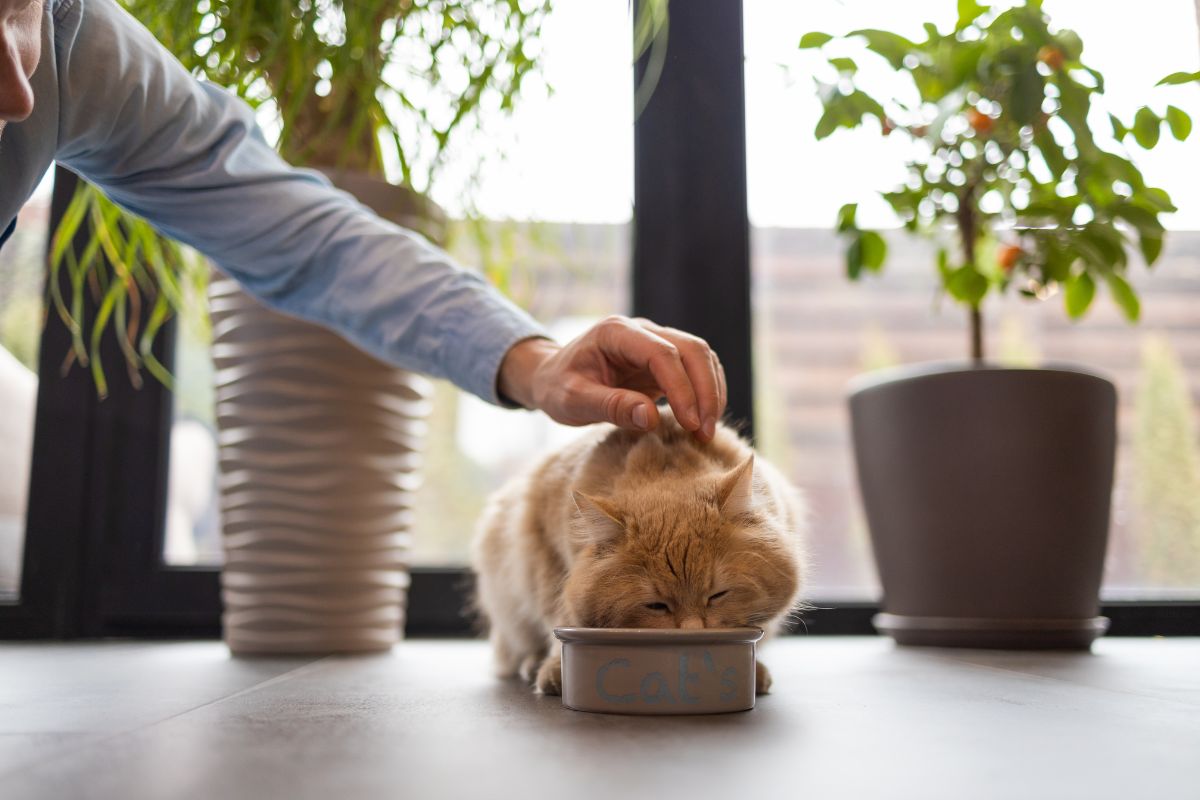
As your cat enters their golden years, you may notice subtle changes in energy, appetite, or body condition. Senior cats rely on you more than ever to keep them comfortable, healthy, and thriving. That’s why having a complete guide to senior cat nutrition and dietary needs is essential for making informed, compassionate decisions about what goes into your aging feline’s bowl. The right nutrients support their joints, digestion, immune system, and overall vitality. By understanding how your cat’s nutritional needs evolve with age, you can help them enjoy a longer, happier, and more comfortable life.
Understanding How Aging Affects Your Cat’s Dietary Needs
Senior cats experience shifts in metabolism, muscle mass, hydration levels, and digestive efficiency. These changes can make it harder for them to maintain weight, absorb nutrients, and stay active.
Key age-related changes include:
- Slower metabolism
- Decreased sense of smell and taste
- Reduced muscle mass
- Higher risk of kidney or dental disease
- Lower natural thirst drive
Recognizing these changes early allows you to adjust their diet proactively to support long-term health and comfort.
Choosing the Right Diet for Your Senior Cat
Selecting a senior-appropriate diet is one of the most effective ways to protect your cat’s well-being as they age. High-quality senior formulas are designed to meet the unique needs of older cats.
Look for formulas that offer:
- Moderate protein to maintain muscle
- Controlled phosphorus for kidney support
- Healthy fats for energy and skin health
- Added antioxidants
- Digestible ingredients to support sensitive stomachs
Always transition gradually to prevent digestive upset.
Important Nutrients Senior Cats Need
Older cats benefit greatly from nutrient-rich, easily digestible recipes. Understanding the role of each nutrient makes it easier to choose the best diet.
1. High-Quality Protein
Protein supports muscle maintenance and immune function. Senior cats may need slightly more protein—but from gentle, digestible sources.
2. Omega-3 Fatty Acids
EPA and DHA promote joint comfort, cognitive health, and a glossy coat.
3. Moisture-Rich Foods
Since older cats drink less water, wet food or mixed feeding helps prevent dehydration and supports kidney function.
4. Fiber for Digestive Balance
Added fiber supports gut health and may reduce hairballs and constipation.
5. Joint-Support Supplements
Glucosamine and chondroitin help maintain mobility and reduce age-related stiffness.
How to Manage Common Senior Cat Nutrition Challenges
Aging often brings new dietary hurdles. Fortunately, small adjustments can make a big difference.
Weight Loss or Muscle Wasting
Offer high-quality protein and calorie-dense senior foods. Smaller, more frequent meals may also help.
Picky Eating
Warm meals slightly, add broth, or try different textures to stimulate appetite.
Kidney Disease
Work with your veterinarian to choose a kidney-friendly diet with reduced phosphorus and carefully balanced protein.
Digestive Sensitivity
Opt for limited-ingredient or highly digestible formulas.
Tips for Transitioning Your Senior Cat’s Diet
Older cats can be more sensitive to dietary changes. A gradual transition helps protect their digestive health.
Try this simple schedule:
- Days 1–3: 25% new food
- Days 4–6: 50% new food
- Days 7–9: 75% new food
- Day 10: 100% new food
Monitor your cat’s stool, appetite, and energy as you transition.
When to Consult Your Veterinarian
Any changes in appetite, weight, hydration, or behavior should be discussed with your veterinarian. Early detection is key for managing age-related conditions such as thyroid disease, arthritis, or kidney issues.
Professional guidance ensures your senior cat receives tailored nutritional care and regular wellness assessments. This is especially valuable if you’re seeking senior pet care cottage grove options or personalized diet plans.
Supporting your cat through their senior years starts with understanding how their nutritional needs evolve over time. By following a complete guide to senior cat nutrition and dietary needs, you’ll help your feline companion stay comfortable, active, and emotionally supported as they age. Small changes—like offering moisture-rich food or adjusting protein levels—can make a meaningful difference. When in doubt, always schedule a veterinary visit to ensure your cat receives individualized care.
If you’re seeking expert guidance, Park Grove Pet Hospital can help create a personalized nutrition plan tailored to your cat’s unique health needs.
Frequently Asked Questions:
Q1: At what age is my cat considered a senior?
A: Most cats are considered seniors around age 7–10. However, nutritional needs may shift earlier or later depending on overall health and lifestyle.
Q2: How often should I feed my senior cat?
A: Many senior cats do well with smaller, more frequent meals. This helps regulate digestion and maintain steady energy levels.
Q3: Should senior cats eat wet or dry food?
A: Wet food is often recommended because it supports hydration and kidney health. However, a mixed diet can also work well depending on your cat’s needs.
Q4: What if my senior cat suddenly stops eating?
A: A sudden drop in appetite is a red flag and warrants immediate veterinary attention. It may indicate dental disease, nausea, or another underlying issue.
Q5: Do senior cats need supplements?
A: Some benefit from omega-3s, joint supplements, or probiotics. Always consult your veterinarian before adding supplements to your cat’s routine.
Q6: How do I help my senior cat maintain a healthy weight?
A: Choose a balanced senior diet, monitor portion sizes, and schedule regular wellness checks to adjust calorie needs as your cat ages.