

As dogs grow older, their needs change dramatically. Providing the right senior dog care ensures your loyal companion enjoys comfort, health, and happiness throughout their golden years. From nutrition and exercise to veterinary checkups and emotional support, every pet parent must understand how to adapt to their dog’s evolving lifestyle.
In this guide, you’ll find expert strategies for senior Dog Care, along with answers to the most common questions pet parents ask.
Why Senior Dog Care Is So Important
Dogs are generally considered seniors once they reach around 7 years of age, depending on their breed and size. During this stage, their metabolism slows, energy levels shift, and age-related health concerns become more common. Prioritizing Older dogs means you can catch problems early, improve the quality of life, and help your dog stay happy for longer.
Key Elements of Senior Dog Care
1. Consistent Veterinary Visits
As dogs age, it’s recommended that they see a veterinarian every 6 months rather than just once a year. Wellness exams, lab tests, and dental checks help monitor ongoing changes. Preventive senior dog care is vital—and scheduling a visit at our senior pet care service in Cottage Grove, MN ensures your furry friend receives tailored care.
2. Proper Nutrition & Diet Adjustments
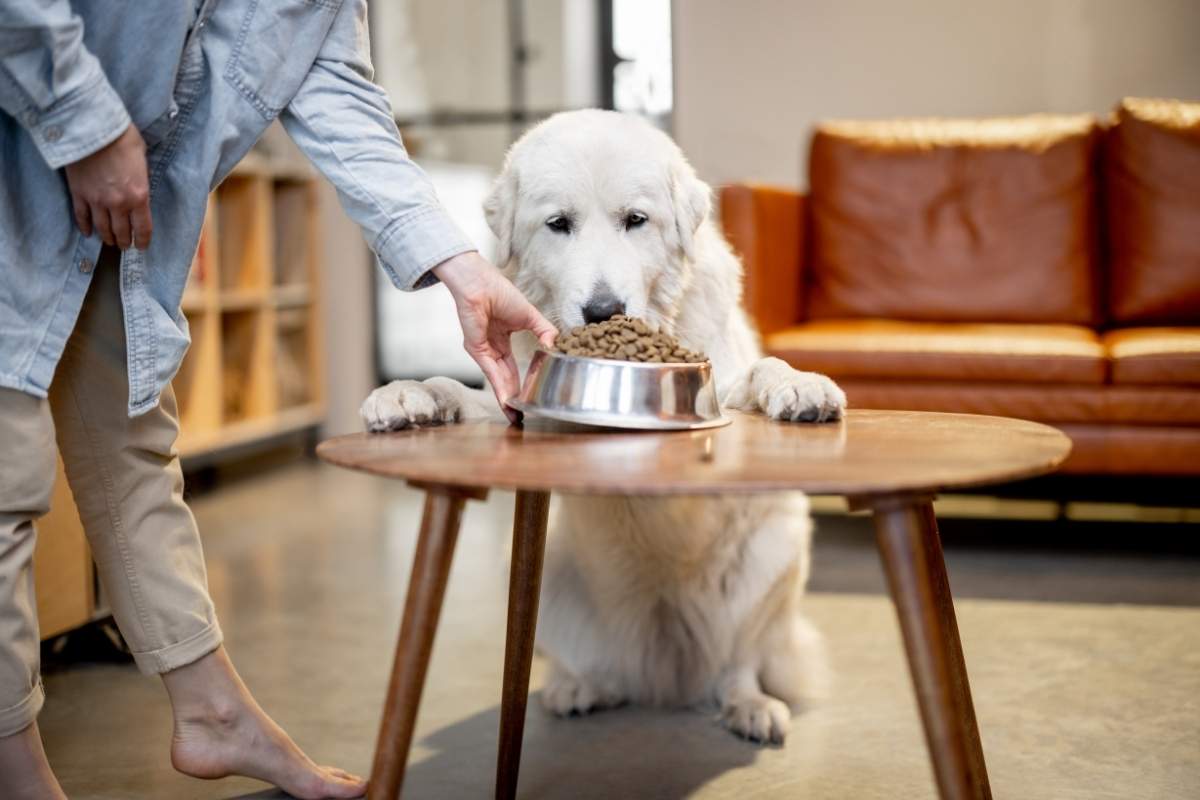
Aging dogs require balanced meals with fewer calories but rich in protein, vitamins, and joint-supporting nutrients. Specialized senior dog food supports weight management, digestion, and immune health. Nutrition plays a core role in senior dog care.
3. Gentle but Consistent Exercise
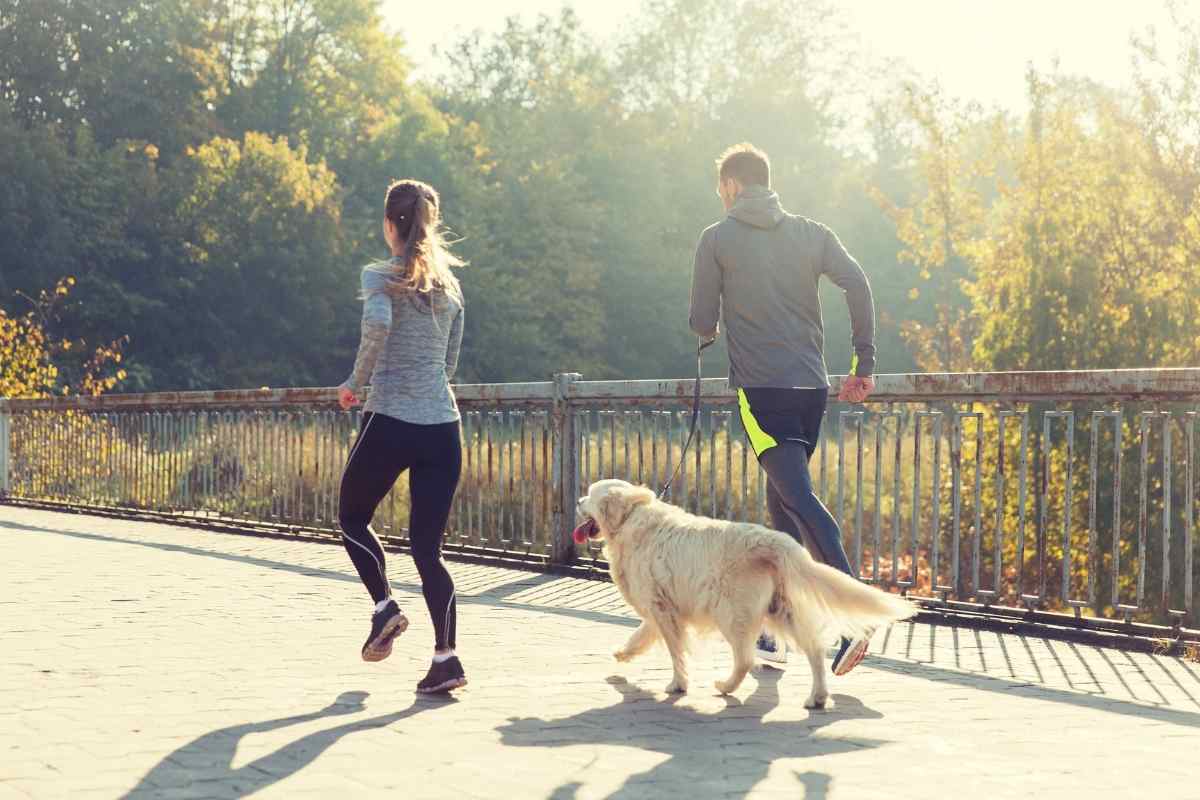
While senior dogs may not run as much as they used to, they still need activity. Short walks, swimming, or light playtime help maintain muscle tone and joint flexibility. Exercise is a cornerstone of senior dog care and prevents obesity.
4. Supporting Mobility and Joints
As pets get older, joint stiffness and mobility challenges often become noticeable. Providing orthopedic bedding, ramps, and supplements like glucosamine can reduce discomfort. Tailoring to elderly dogs’ joint health ensures your companion remains active and comfortable.
5. Keeping Up With Dental Health
Oral health is often overlooked in older pets, but dental disease can cause infections and pain. Brushing, dental chews, and professional cleanings keep your dog’s teeth and gums in good condition—a vital step in senior dog care.
6. Mental & Emotional Well-being
Cognitive decline is possible in older pets. Interactive toys, training refreshers, and a calm environment help keep senior dogs mentally sharp. True senior dog care goes beyond the physical—it includes emotional support, too.
Everyday Lifestyle Tips for Senior Dog Care
- Keep your home senior-dog friendly with slip-proof mats and supportive beds.
- Schedule feeding times consistently to aid digestion.
- Offer smaller, more frequent meals for sensitive stomachs.
- Monitor behavior changes—subtle signs may indicate health concerns.
- Provide extra affection and patience, as older dogs may become more anxious.
With the right approach, advanced age dogs enhance not just lifespan but also life quality.
Providing proper elder dog care is an act of love that rewards you with more healthy, happy years alongside your pet. By focusing on diet, exercise, vet visits, and emotional well-being, you give your dog the comfort they deserve in their golden years
If you want to ensure the best for your senior companion, schedule a wellness checkup today. Expert senior dog care can make all the difference.
6 FAQs About Senior Dog Care
1. When is a dog officially considered a senior?
Most dogs transition to their senior stage at about 7 years of age, though larger breeds often reach this stage earlier, around 5–6 years.
2. How often should senior dogs see a vet?
Twice a year is recommended for effective senior dog care, allowing for early detection of health issues.
3. What should I feed my senior dog?
A diet rich in lean protein, fiber, and joint-support nutrients is essential for senior dog care. Ask your vet about specialized senior formulas.
4. Do senior dogs still need exercise?
Yes! Low-impact activities like short walks, swimming, or stretching are vital parts of senior dog care to maintain mobility and prevent obesity.
5. How can I support my senior dog’s joints?
Joint supplements, orthopedic beds, and weight control are vital for effective senior dog care and mobility support.
6. What are the signs my senior dog might be in pain?
Changes like limping, hesitation to climb stairs, or a loss of appetite may point to discomfort. Pain management plays a crucial role in senior dog care.