

Hearing that your beloved companion needs an operation is stressful, but bringing them home afterward can be just as nerve-wracking. Whether it is a routine spay or an orthopedic repair, the first few days post-op are critical for healing. As a pet owner, your primary goal is minimizing discomfort and ensuring a smooth transition back to health.
Seeing your furry friend groggy or vulnerable is never easy. However, with the right preparation, you can significantly manage their stress levels. This guide outlines a comprehensive pet’s surgery recovery plan to help you navigate the critical first week, ensuring your companion stays as pain-free and comfortable as possible.
Decoding Signs of Pain in Animals
Pets are experts at masking their discomfort. This is an evolutionary survival tactic, but it makes your job harder. You cannot rely on them to whimper or cry out. Instead, you must look for subtle behavioral changes that indicate they are struggling.
Common signs of post-surgical pain include:
- Restlessness: Pacing, inability to get comfortable, or frequent shifting.
- Withdrawal: Hiding in closets or under beds (common in cats).
- Physical Changes: Heavy panting, trembling, or dilated pupils.
- Aggression: Snapping or hissing when touched near the surgical site.
Mastering the Medication Schedule
The most effective way to reduce pain is to stay ahead of it. Veterinarians typically prescribe analgesics (painkillers) and anti-inflammatories. It is vital to administer these exactly as directed, even if your pet seems fine.
Once pain spikes, it is much harder to bring under control than it is to prevent. Never skip a dose during the first 2-3 days. Furthermore, never give human medication like Tylenol or Ibuprofen to your pet, as these can be fatal.
Creating a Sanctuary for Rest
Your pet needs a quiet, confined space to heal. Upon returning home, keep them away from other pets and children who might accidentally bump the incision.
Set up a “recovery zone” with the following:
- Low Bedding: Use flat, supportive beds that don’t require stepping up.
- Non-Slip Floors: Cover hardwood with rugs to prevent slipping.
- Temperature Control: Anesthesia can affect body temperature; ensure the room is warm but not stifling.
Restricting Physical Activity
Limiting movement is arguably the hardest part of the recovery plan, especially if your pet starts feeling better by day three. However, running or jumping can tear stitches and cause internal bleeding.
Stick to these strict rules for the first week:
- Leash Walks Only: Short, controlled walks for bathroom breaks only.
- No Stairs: Carry your pet up and down stairs if necessary.
- Crate Rest: If your pet is high-energy, a crate may be the safest place for them when unsupervised.
Incision Care and the “Cone of Shame”
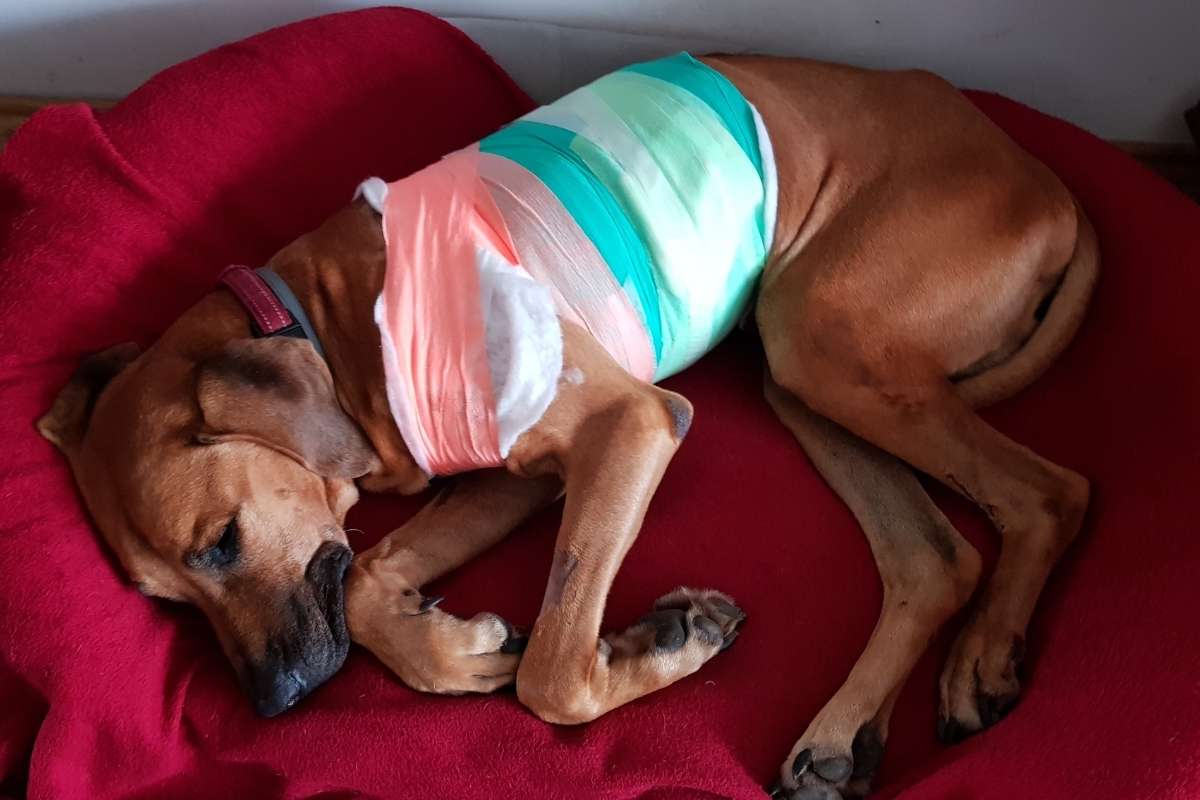
Infection is a major source of pain. Inspect the incision site twice daily. It should look clean, with the edges touching. A small amount of clear or slightly bloody discharge can be normal in the first 24 hours, but heavy bleeding is not.
You must prevent licking at all costs. Licking introduces bacteria and causes inflammation. While they may hate it, the Elizabethan collar (E-collar) or a surgical recovery suit is non-negotiable until the sutures are removed.
Professional Support for Your Pet
Recovering from surgery requires a team effort between you and your veterinary care providers. If you notice pale gums, a distended abdomen, or if your pet is vomiting uncontrollably, you need immediate assistance.
Conveniently located in Cottage Grove, MN, if you are looking for a vet near me, then Park Grove Pet Hospital is the best choice for you. Our compassionate team specializes in surgical care, providing expert support to ensure your pet’s safe and comfortable recovery.
The first week after surgery is a hurdle, but with patience and vigilance, your furry friend will be back on their paws in no time. By managing their medication, restricting their activity, and monitoring their incision, you are actively reducing their pain and speeding up their return to health.
Remember, you are your pet’s best advocate during this vulnerable time. Stick to your pet’s surgery recovery plan, trust your instincts, and do not hesitate to call for professional advice if something feels wrong.
Frequently Asked Questions:
Q1: My pet won’t eat after surgery; is this normal?
Ans: Yes, a lack of appetite is common for the first 12 to 24 hours due to the after-effects of anesthesia. Offer small amounts of bland food, like boiled chicken and rice, to tempt them without upsetting their stomach.
Q2: How long will my pet be in pain after surgery?
Ans: Acute pain typically lasts for the first 24 to 72 hours, depending on the severity of the procedure. With proper medication and rest, most pets are significantly more comfortable by day four.
Q3: Can I take the cone off if I am watching them?
Ans: It is risky because it only takes one second for a pet to rip out a stitch. It is safer to keep the cone on at all times, including while they are sleeping and eating, to ensure consistent protection.
Q4: Why is my pet shaking or shivering after surgery?
Ans: Shivering can be a side effect of anesthesia wearing off, or it can be a sign of pain or anxiety. If the shaking persists for more than 24 hours or is accompanied by whining, contact your veterinarian.
Q5: My dog hasn’t pooped since surgery; should I worry?
Ans: It is normal for pets not to have a bowel movement for 2 to 3 days post-surgery. Fasting before the procedure and reduced food intake afterward slow down the digestive system.
Q6: Can I use ice or heat on the incision?
Ans: Generally, icing can help reduce swelling in the first 48 hours, but you should only do this if directed by your vet. Never apply heat or ice directly to the skin; always use a cloth barrier to prevent burns or frostbite.