


Watching your pet grow older can be emotional. The playful puppy or energetic kitten you once chased around the house eventually becomes a calmer companion who prefers naps over sprints. However, aging does not mean your pet cannot live a happy, comfortable, and active life. With the right care, senior pets often enjoy many healthy years.
As pets age, their bodies change. Metabolism slows, joints stiffen, and immune function weakens. Therefore, daily care routines must evolve too. Proper diet and safe activity become essential tools for preventing disease and maintaining mobility. This guide explains practical ways to support older pets, especially families caring for pets in Cottage Grove, MN.
Understanding When a Pet Becomes a Senior
Pets age faster than humans. Generally:
- Small dogs: senior around 9–11 years
- Medium dogs: 8–10 years
- Large dogs: 6–8 years
- Cats: around 10 years
At this stage, organs work less efficiently. Consequently, pets need specific nutrients and modified activity levels.
Many owners assume slowing down is normal aging. While some changes are expected, significant weight gain, stiffness, or lethargy may signal health problems. Regular checkups at a veterinary hospital help detect issues early.
Why Diet Matters More With Age
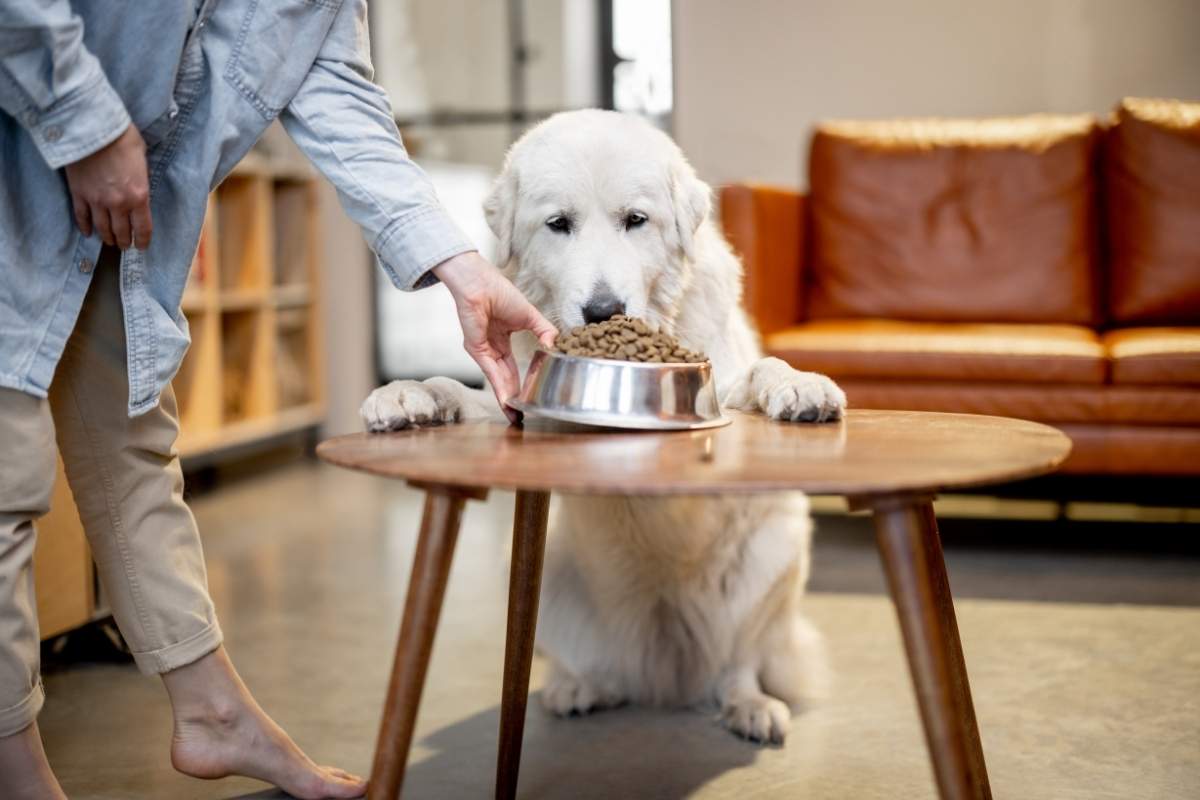
Aging pets burn fewer calories but need more targeted nutrients. Overfeeding leads to obesity, which increases the risk of diabetes, arthritis, and heart disease. On the other hand, underfeeding causes muscle loss and weakness.
Therefore, balanced meals—not just smaller portions—are essential.
Below are practical Nutrition tips for senior pets that support longevity and comfort.
Nutrition Tips for Senior Pets
1. Switch to Senior Formulas
Senior pet foods contain adjusted protein, fat, and fiber levels. They also include joint-support nutrients like glucosamine and omega-3 fatty acids.
These diets:
- Support joint health
- Improve digestion
- Help maintain muscle mass
Transition gradually over 7–10 days to prevent stomach upset.
2. Prioritize High-Quality Protein
Older pets still require protein, but it must be easy to digest. Good protein preserves muscle and prevents frailty.
Choose foods with:
- Real chicken, turkey, or fish
- Named protein sources
- Limited fillers
Muscle loss is common in older animals, yet proper protein intake slows the process significantly.
3. Manage Weight Carefully
Obesity is one of the biggest threats to senior pets. Extra pounds place pressure on aging joints and worsen arthritis.
Helpful strategies:
- Measure meals
- Avoid free feeding
- Limit table scraps
- Use low-calorie treats
Even losing 1–2 pounds can dramatically improve mobility in small pets.
4. Add Joint-Support Nutrients
Senior pets benefit from anti-inflammatory nutrients.
Important additions include:
- Omega-3 fatty acids
- Glucosamine
- Chondroitin
- Green-lipped mussel supplements
These nutrients reduce joint inflammation and improve comfort.
5. Encourage Hydration
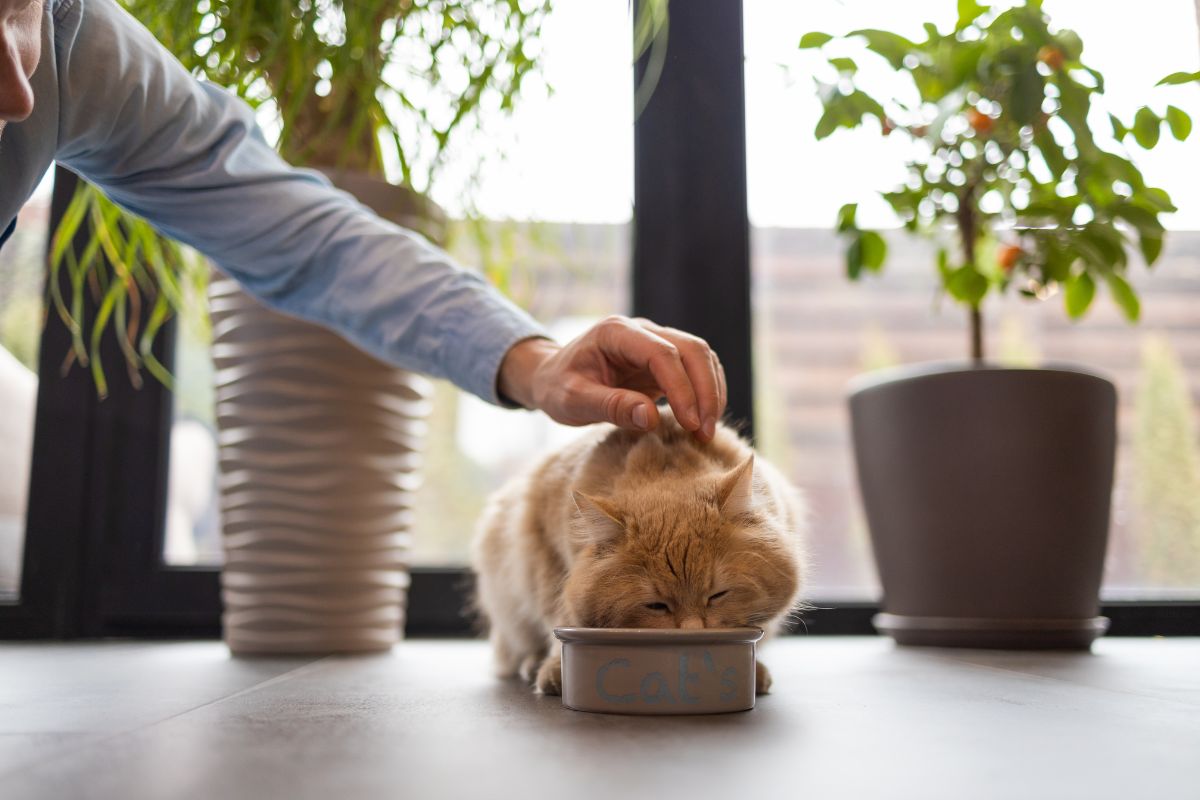
Older cats, especially, tend to drink less water. Dehydration contributes to kidney disease and urinary issues.
Try:
- Water fountains
- Wet food diets
- Multiple water bowls around the home
Proper hydration improves organ function and digestion.
6. Feed Smaller, More Frequent Meals
Instead of two large meals, offer smaller portions throughout the day. This helps digestion and stabilizes energy levels.
Exercise Tips for Senior Pets
While diet plays a critical role, movement is equally important. Activity prevents stiffness, supports mental health, and maintains a healthy weight. However, exercise must be adapted to aging bodies.
Below are safe Exercise Tips for senior pets.
1. Take Short, Consistent Walks
Long runs are risky for aging joints. Instead, choose short daily walks.
Benefits include:
- Maintained muscle strength
- Better joint lubrication
- Weight control
Consistency matters more than intensity.
2. Use Low-Impact Activities
Avoid high-impact actions like jumping or rough play. Instead, try:
- Gentle leash walks
- Swimming
- Slow fetch games
Swimming is especially helpful because it strengthens muscles without stressing joints.
3. Warm Up and Cool Down
Senior pets need gradual activity. Begin slowly and end gently to prevent soreness.
For example:
Start with a slow stroll, then slightly increase pace, and finally slow down again before returning home.
4. Provide Mental Exercise
Mental stimulation is just as important as physical activity.
Try:
- Puzzle feeders
- Snuffle mats
- Training refreshers
- New toys
Mental enrichment prevents cognitive decline and reduces anxiety.
5. Modify the Home Environment
Exercise is easier when pets feel safe moving around.
Helpful adjustments:
- Non-slip rugs
- Pet ramps
- Orthopedic beds
- Raised food bowls
These small changes encourage movement and prevent injury.
6. Watch for Warning Signs
Stop activity if you notice:
- Limping
- Heavy panting
- Lagging behind
- Difficulty rising
These may indicate arthritis or pain requiring evaluation.
Additional Senior Care Tips
Besides diet and activity, regular veterinary monitoring is vital. Bloodwork, dental care, and weight tracking allow early detection of kidney disease, thyroid issues, and arthritis.
Senior pets should typically have exams every six months rather than yearly.
Aging does not mean your pet cannot enjoy life. With thoughtful care, senior pets remain loving, active companions for years. By following proper Nutrition tips for senior pets and safe Exercise Tips for senior pets, you can support their joints, organs, and overall happiness.
If you are in Cottage Grove, MN, and looking for a veterinarian near you, book an appointment with Park Grove Pet Hospital today. Their compassionate team can create a personalized wellness plan, monitor age-related changes, and help your beloved companion stay comfortable throughout their golden years.
FAQs
Q1. How often should senior pets eat?
Ans. Two to four smaller meals daily usually work best for digestion and energy balance.
Q2. Are supplements necessary?
Ans. Not always, but many older pets benefit from joint and omega-3 supplements recommended by a veterinarian.
Q3. Should senior pets still exercise daily?
Ans. Yes. Daily low-impact exercise keeps muscles strong and joints flexible.
Q4. Do older cats need special diets?
Ans. Yes. Senior cat diets support kidney health, hydration, and weight management.
Q5. What is the most common health problem in senior pets?
Ans. Arthritis is extremely common, especially in larger dogs and overweight animals.
Q6. When should I visit the vet more often?
Ans. If appetite, thirst, mobility, or behavior changes suddenly, schedule an exam promptly.