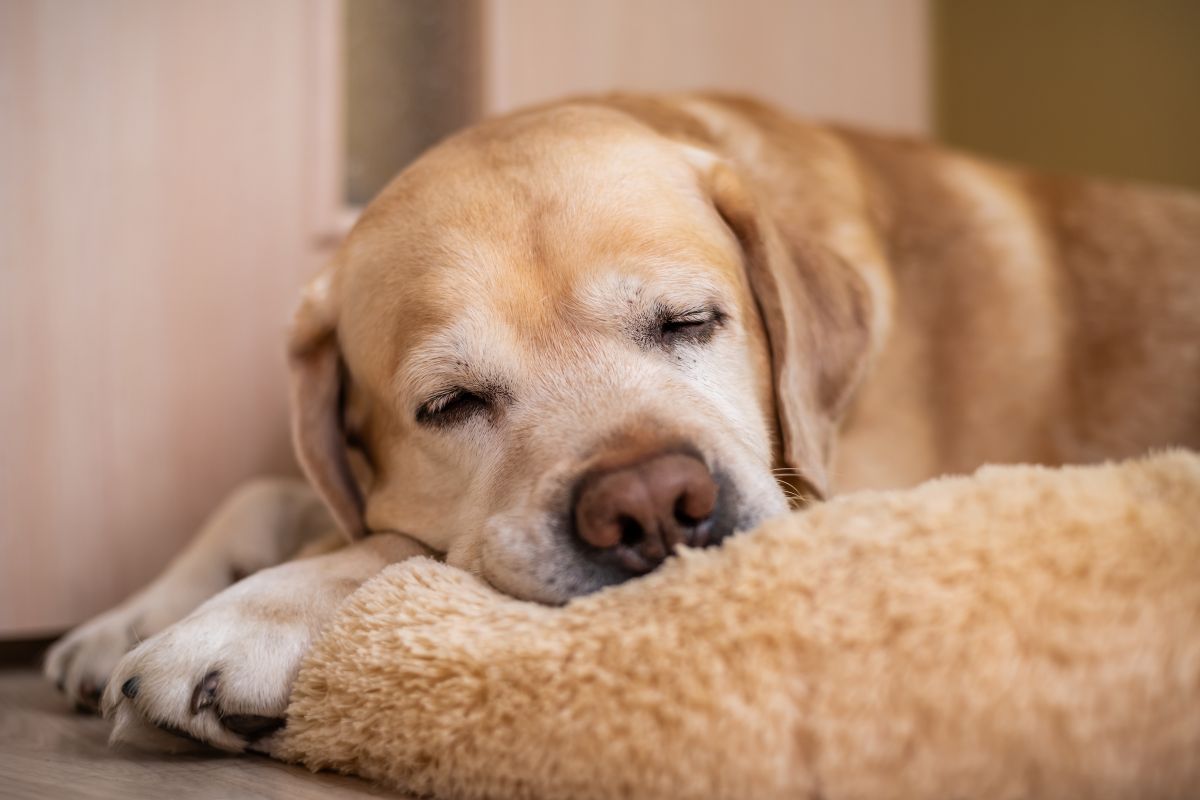


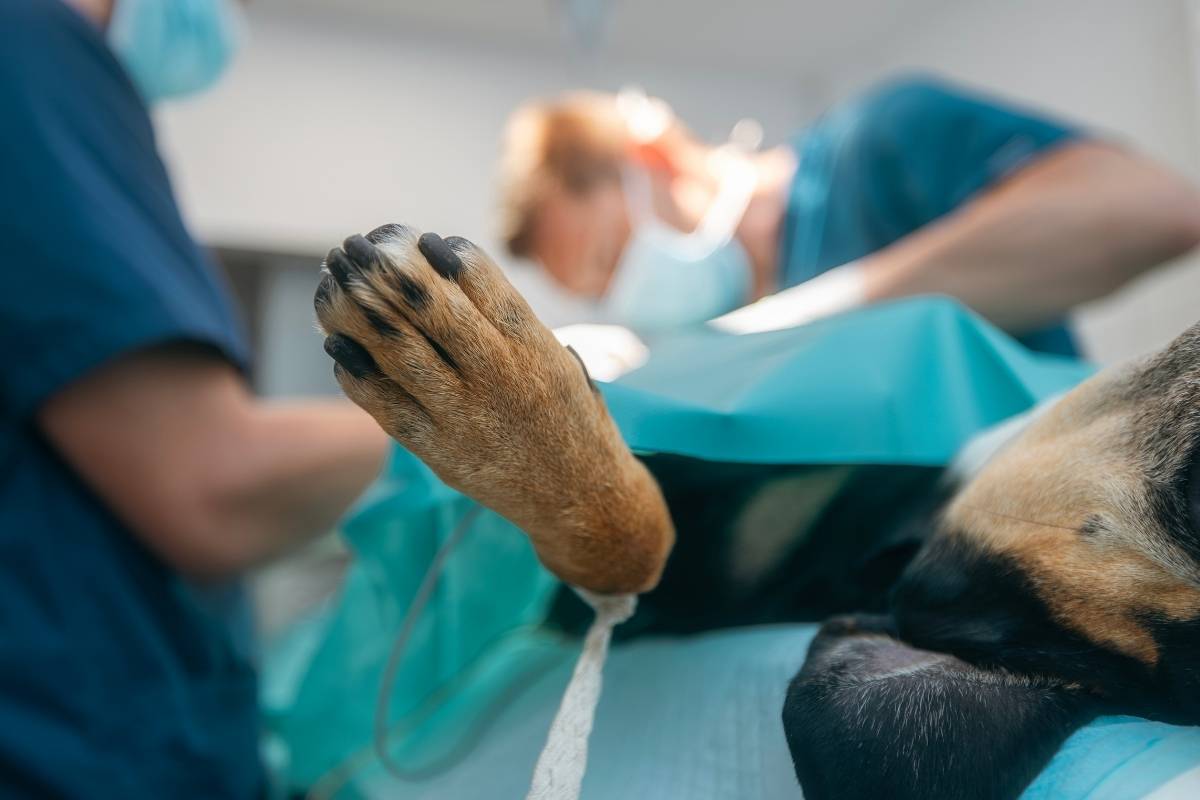
Few things worry pet owners more than seeing their dog suddenly limp. One day, your dog runs happily in the yard, and the next day, they refuse to put weight on a leg. Naturally, many owners assume it’s just a minor strain that will heal on its own. However, that is not always the case.
A limp may signal something much more serious. Knowing the difference between a Dog ACL tear and a Simple Sprain can protect your pet from long-term joint damage and chronic pain. Early action greatly improves recovery and mobility.
Dogs are active by nature. They jump off couches, chase balls, and sprint across parks. Because of this, knee injuries are extremely common. In fact, cranial cruciate ligament injuries (the dog equivalent of an ACL tear) are one of the most frequent orthopedic problems veterinarians treat—especially among families caring for pets in Cottage Grove, MN.
Understanding the Dog Knee Joint
Before comparing injuries, it helps to understand how the knee works.
A dog’s knee (called the stifle joint) contains ligaments that stabilize movement. The most important one is the cranial cruciate ligament (CCL), similar to the ACL in humans. This ligament prevents the tibia from sliding forward during walking and running.
When this ligament tears, the joint becomes unstable. As a result, pain and inflammation develop quickly.
What Is a Simple Sprain?
A sprain occurs when ligaments stretch or slightly tear without completely rupturing. Usually, sprains happen after:
- Slipping on hardwood floors
- Overexertion during play
- Minor jumping injuries
- Rough play with other dogs
In most cases, sprains improve with rest and anti-inflammatory care.
What Is an ACL (CCL) Tear?
An ACL tear is a partial or complete rupture of the stabilizing knee ligament. Unlike sprains, this condition rarely heals on its own.
Instead, the joint becomes unstable. Over time, arthritis develops and worsens mobility unless treated—often requiring veterinary surgery to restore stability.
Dog ACL Tear vs a Simple Sprain: Key Differences
Understanding specific symptoms helps you respond quickly.
1. Weight Bearing
Sprain
- The dog limps but still uses the leg
- Improves after rest
ACL Tear
- The dog refuses to bear weight
- Holds leg up completely
- Limp persists or worsens
2. Onset of Symptoms
Sprain
- Often improves within 3–7 days
- Limp gradually decreases
ACL Tear
- Sudden severe limp
- No improvement after several days
- May worsen after activity
3. Sitting Position
This is a classic clue.
Dogs with ligament tears often sit with the injured leg extended sideways. Veterinarians call this the “lazy sit.”
Therefore, posture becomes a major indicator when comparing a dog ACL Tear vs a Simple Sprain.
4. Swelling Around the Knee
Sprain
- Mild swelling
- Temporary tenderness
ACL Tear
- Noticeable joint swelling
- Thickened knee area
- Pain during movement
5. Activity Level Changes
Dogs with sprains usually still want to play. In contrast, ACL injuries significantly affect behavior.
You may notice:
- Reluctance to jump
- Avoiding stairs
- Trouble getting up
- Shorter walks
6. Progressive Arthritis
A sprain heals. An ACL tear worsens.
Without treatment, chronic inflammation causes arthritis within weeks. Consequently, early diagnosis becomes critical.
Common Risk Factors
Certain dogs have a higher risk of ligament rupture.
Weight
Overweight dogs place extreme pressure on their knees.
Breed
Higher risk breeds include:
- Labrador Retrievers
- Golden Retrievers
- Rottweilers
- Boxers
Age
Middle-aged dogs commonly develop ligament weakening before a full tear occurs.
What You Should Do Immediately
If your dog begins limping:
- Restrict running and jumping
- Leash walks only
- Prevent stair climbing
- Apply a cold compress for swelling
- Schedule a veterinary exam promptly
Waiting too long allows joint damage to progress.
How Veterinarians Diagnose the Injury
A veterinarian performs several evaluations:
- Physical exam
- Drawer test (joint stability test)
- X-rays
- Sedated joint assessment
These tests clearly identify a dog ACL Tear vs a Simple Sprain and determine proper treatment.
Treatment Options
Sprain Treatment
Most mild sprains require:
- Rest for 2–3 weeks
- Anti-inflammatory medication
- Controlled activity
- Gradual return to exercise
ACL Tear Treatment
ACL tears typically need stabilization.
Common approaches:
- TPLO surgery
- Extracapsular repair
- Physical rehabilitation
- Weight management
Surgery prevents arthritis progression and restores normal walking ability.
Recovery Expectations
Sprain Recovery:
Usually 2–4 weeks.
ACL Tear Recovery:
8–12 weeks of rehabilitation. However, most dogs regain full activity after healing.
Physical therapy and controlled walks significantly speed recovery.
Preventing Knee Injuries
You cannot prevent every injury, yet you can reduce risk:
- Maintain a healthy weight
- Use joint supplements
- Provide regular exercise
- Avoid slippery flooring
- Use ramps instead of jumping
Prevention protects joint stability and long-term mobility.
A limp should never be ignored. Although minor strains happen, ligament injuries are extremely common and worsen without treatment. By recognizing the signs and comparing a dog’s ACL tear vs a simple sprain, you can act quickly and protect your dog’s mobility and comfort.
If you are in Cottage Grove, MN, and looking for a veterinarian near you, book an appointment with Park Grove Pet Hospital today. Early diagnosis, proper treatment, and compassionate care will help your dog return to walking, playing, and living pain-free again.
FAQs
Q1. Can a dog walk on a torn ACL?
Ans. Some dogs briefly put weight on it, but instability and pain quickly return.
Q2. Will a torn ACL heal without surgery?
Ans. Rarely. Most dogs require surgical stabilization for proper healing.
Q3. How do I know it’s not just a pulled muscle?
Ans. If limping lasts more than 3–5 days, seek veterinary care.
Q4. Is an ACL tear an emergency?
Ans. Not immediately life-threatening, but prompt treatment prevents permanent arthritis.
Q5. Can small dogs tear their ACL?
Ans. Yes. Although large breeds are more common, any dog can suffer this injury.
Q6. How can I comfort my dog at home?
Ans. Provide rest, soft bedding, limited movement, and follow veterinary guidance.