

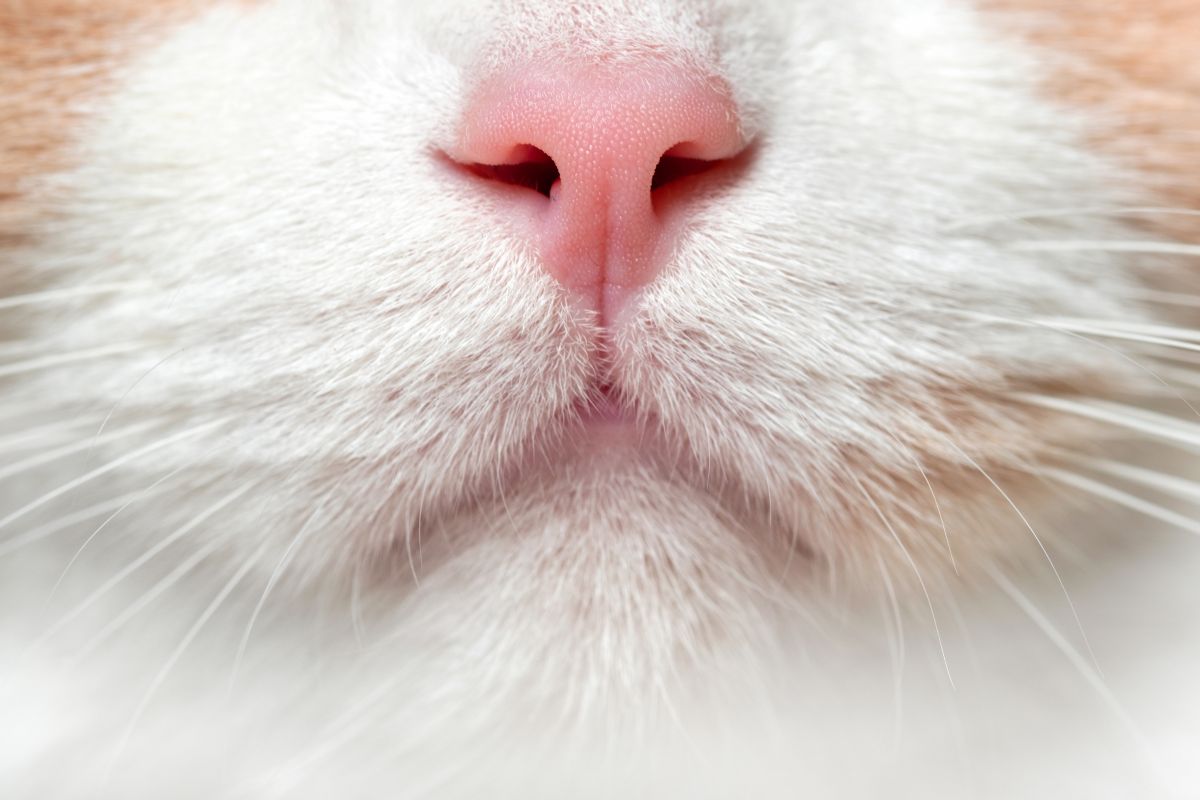
Cats naturally have unique nose colors that may range from pink and black to gray or spotted patterns, depending on breed and pigmentation. However, some pet owners become concerned when their cat’s nose suddenly appears pale or white. While temporary color changes are not always dangerous, there are situations where a white nose may signal an underlying medical issue that should not be ignored.
Changes in nose color can occur for several reasons, including temperature fluctuations, stress, circulation changes, or illness. The key is understanding whether the change is temporary and harmless or accompanied by other symptoms that may indicate a medical concern.
At Park Grove Pet Hospital, veterinarians often evaluate cats with unusual physical changes to determine whether immediate care is needed. Monitoring your cat closely and recognizing additional symptoms can help you respond quickly if a health issue develops.
For cat owners in Cottage Grove, MN, understanding the possible causes behind a pale or white nose can help support faster veterinary attention and better long-term health outcomes for pets.
Can a Cat’s Nose Change Color Normally?
Yes. Mild and temporary nose color changes can sometimes occur naturally. Factors such as cooler temperatures, resting, stress, or reduced activity may briefly affect circulation and cause the nose to appear lighter.
In some cats, pigment changes can also occur gradually with age. However, a suddenly pale or white nose, combined with other symptoms, should always be monitored carefully.
Common Reasons a Cat’s Nose May Look White
1. Reduced Blood Circulation
A pale nose may occur when blood circulation temporarily decreases. This can happen if a cat is cold, stressed, or resting for long periods.
In many cases, the normal color returns quickly once the cat warms up or becomes more active.
2. Anemia
Anemia is one of the more serious causes of pale gums and a white-looking nose. Cats with anemia have reduced red blood cell levels, which affects oxygen delivery throughout the body.
Possible causes of anemia include:
- Blood loss
- Parasites
- Chronic illness
- Internal bleeding
- Nutritional deficiencies
Cats with anemia may also appear weak, tired, or less interested in food.
3. Shock or Medical Emergencies
A very pale or white nose combined with collapse, difficulty breathing, weakness, or cold extremities may indicate shock or another emergency condition.
Shock can result from:
- Severe injury
- Poisoning
- Heatstroke
- Internal trauma
- Severe allergic reactions
Emergency veterinary attention is critical if these symptoms occur.
4. Dehydration
Dehydration may affect circulation and tissue appearance, sometimes causing the nose and gums to look paler than normal.
Signs of dehydration may include:
- Sunken eyes
- Dry gums
- Lethargy
- Reduced appetite
- Vomiting or diarrhea
Cats can become dehydrated quickly, especially if an underlying illness is present.
5. Respiratory or Heart Conditions
Certain heart and respiratory illnesses may interfere with oxygen circulation and blood flow. In some cases, pale tissue color can develop alongside breathing difficulties or reduced energy levels.
Cats showing labored breathing, rapid breathing, or unusual fatigue should be evaluated promptly.
When Is a White Nose Considered an Emergency?
A temporary color change without additional symptoms may not always require urgent treatment. However, immediate veterinary care is important if the white nose appears alongside:
- Weakness or collapse
- Difficulty breathing
- Blue, gray, or pale gums
- Loss of appetite
- Vomiting
- Sudden lethargy
- Rapid heart rate
- Cold paws or ears
These signs may indicate a more serious underlying condition requiring urgent evaluation.
How Veterinarians Diagnose the Cause
During an examination, a veterinarian may assess:
- Gum color and circulation
- Heart and lung function
- Hydration levels
- Body temperature
- Blood pressure
- Blood cell counts
Diagnostic testing may include bloodwork, imaging, or additional monitoring depending on the suspected cause.
A trusted veterinary hospital can help identify whether the issue is mild and temporary or linked to a more serious medical condition requiring treatment.
What Pet Owners Should Do at Home
If your cat’s nose suddenly appears white, try to remain calm while observing their overall condition.
Helpful steps include:
- Checking gum color
- Monitoring breathing patterns
- Watching energy levels
- Keeping the cat warm and comfortable
- Encouraging hydration
- Contact a veterinarian if symptoms worsen
Avoid attempting home treatment without professional guidance, especially if other concerning symptoms are present.
Can White Nose Changes Be Prevented?
Not all causes are preventable, but routine wellness care can help identify health issues early. Preventive care may include:
- Regular veterinary exams
- Parasite prevention
- Balanced nutrition
- Monitoring chronic health conditions
- Keeping toxic substances away from pets
Early detection often improves treatment outcomes for many illnesses associated with circulation or anemia problems.
A white or pale nose in cats can range from a temporary circulation change to a sign of a more serious medical condition. Paying close attention to your cat’s behavior, breathing, energy level, and gum color can help determine whether veterinary care may be needed. Prompt evaluation is especially important when pale coloring appears suddenly or alongside additional symptoms.
If you’re in Cottage Grove, MN, and need guidance from a vet near you regarding changes in your cat’s health, schedule your appointment with Park Grove Pet Hospital. Their team can help assess your cat’s condition, provide personalized care, and support your pet’s long-term health and comfort.
Frequently Asked Questions
Q1. Is a white nose always dangerous in cats?
Ans. No. Temporary pale coloring may occur due to cold temperatures or mild circulation changes. Persistent whitening or additional symptoms should be evaluated.
Q2. Should I check my cat’s gums too?
Ans. Yes. Pale gums alongside a white nose may suggest circulation issues, anemia, or an illness that requires veterinary attention.
Q3. Can stress cause a cat’s nose to look pale?
Ans. In some cases, stress or fear may briefly affect circulation and make the nose appear lighter.
Q4. How quickly should I call a veterinarian?
Ans. If your cat also has weakness, breathing problems, lethargy, or appetite loss, contact a veterinarian immediately.
Q5. Can dehydration make my cat’s nose pale?
Ans. Yes. Dehydration may affect circulation and tissue appearance in some cats.
Q6. What tests might a veterinarian perform?
Ans. Veterinarians may recommend bloodwork, imaging, physical examination, and circulation assessments to identify the underlying cause.