

As a pet parent, nothing matters more than seeing your furry companion healthy, happy, and full of life. While we can’t always control every illness or accident, there are proven ways to prevent your pet from getting sick. By taking proactive steps such as routine vet visits, vaccinations, parasite prevention, and a safe home environment, you can dramatically reduce your dog’s or cat’s risk of serious health problems.
At Park Grove Pet Hospital, we focus on preventing illness to keep pets healthy. Our veterinary team has been serving families in Cottage Grove and the surrounding communities for decades, helping pets live longer, healthier lives. Here’s what every pet owner should know about keeping illness away.
1. Regular Wellness Exams Are Essential
Just like people, pets benefit from routine checkups. An annual wellness exam allows your veterinarian to catch early signs of illness that may not be obvious at home. Older pets or those with ongoing health issues often benefit from checkups every six months..
During these visits, your vet checks your pet’s heart, lungs, teeth, skin, and weight, and may recommend bloodwork for a deeper look at organ health. Early detection makes treatment easier and more affordable — and often prevents complications later.
2. Keep Vaccinations Up to Date
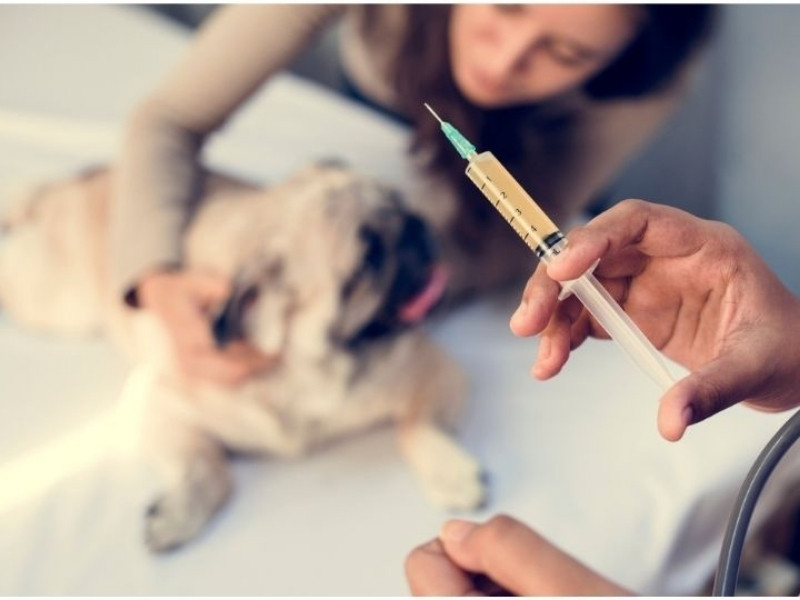
Vaccines protect pets from contagious and often life-threatening diseases. Dogs need vaccines for rabies, parvovirus, and distemper, while cats require protection from panleukopenia, feline herpesvirus, and calicivirus.
Puppies and kittens start with a series of vaccines, followed by boosters throughout life. Keeping up with routine care is one of the easiest ways to safeguard your pet’s health..
3. Protect Against Parasites Year-Round
Fleas, ticks, and mosquitoes aren’t just a nuisance — they can transmit dangerous illnesses like Lyme disease, heartworm, and tapeworms. Indoor pets can still be exposed to parasites carried in by people or other animals..
Preventive medications are safe, affordable, and far more effective than treating an infestation or advanced disease. Your veterinarian can recommend the right parasite prevention plan for your dog or cat.
Learn more about pet preventative care in Cottage Grove, MN.
4. Feed a Balanced, Vet-Approved Diet
Nutrition plays a powerful role in long-term health. Feeding your pet high-quality food designed for their life stage, size, and specific needs supports a strong immune system.
Avoid giving pets table scraps, as many human foods are toxic, including grapes, onions, chocolate, and foods containing xylitol. Feeding too much can cause obesity, which increases the risk of diabetes, joint pain, and a reduced lifespan.
If you’re unsure what diet is best, your veterinarian can recommend safe, balanced options.
5. Don’t Neglect Dental Care
Oral health affects more than just your pet’s teeth. Bacteria from gum disease can travel through the bloodstream, harming the heart, kidneys, and liver. Many pets start developing dental problems as early as three years old.
Daily brushing, dental chews, and professional cleanings help prevent infections and pain. Making dental care part of your routine is another way to prevent your pet from getting sick.
6. Provide a Safe, Enriching Environment
A healthy home is just as important as vet care. Keep medications, cleaning supplies, and toxic plants out of reach. Make sure your pet has safe toys, regular exercise, and mental stimulation to reduce stress and destructive behavior.
Stress can weaken a pet’s immune system. A calm, enriched environment keeps them both physically and emotionally healthier.
7. Watch for Early Warning Signs
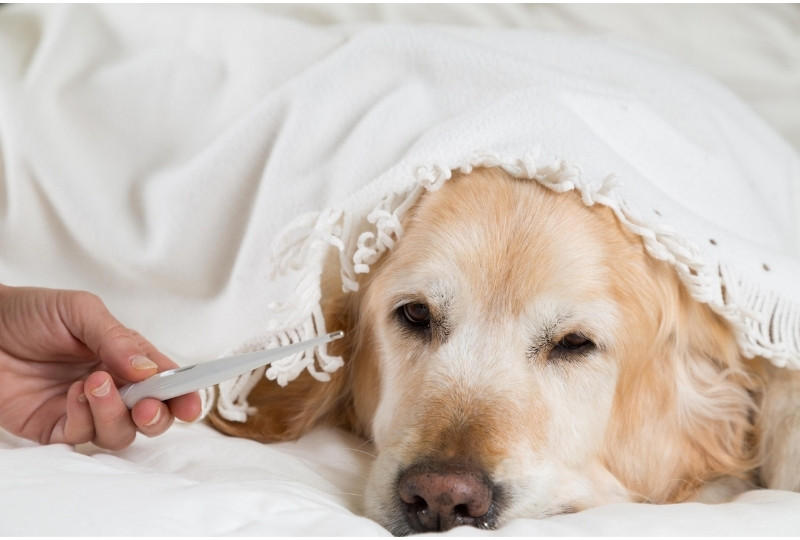
Pets are experts at hiding pain and illness. Subtle changes in appetite, bathroom habits, energy level, or mood can signal a problem. Trust your instincts — if something feels off, schedule a vet visit. Acting quickly can make the difference between a simple fix and a serious condition.
Caring closely for your pet helps them enjoy a longer, healthier life. This is the heart of preventing your pet from getting sick — staying one step ahead.
Keeping your dog or cat healthy is all about prevention. By committing to regular vet exams, vaccinations, parasite protection, proper diet, dental care, and a safe home environment, you can protect your pet from common illnesses and serious health risks.
At Park Grove Pet Hospital, we are proud to provide compassionate care and preventive services for families across Cottage Grove, Woodbury, Hastings, and nearby Minnesota communities. Schedule an appointment today and take the first step to prevent your pet from getting sick — because a healthy pet means a happy family.
Frequently Asked Questions
Q1. How often should my pet see the veterinarian?
Ans. Most healthy adult pets should have at least one checkup per year. Puppies, kittens, seniors, and pets with health conditions may need more frequent visits.
Q2. What vaccines are absolutely necessary for pets?
Ans. Core vaccines such as rabies, distemper, and parvo for dogs — and rabies, feline distemper, and calicivirus for cats — are essential. Depending on your pet’s lifestyle, your veterinarian might suggest extra vaccinations.
Q3. Is parasite prevention really needed if my pet stays indoors?
Ans. Yes. Fleas, ticks, and mosquitoes can enter homes, putting indoor pets at risk. Year-round prevention is the safest approach.
Q4. What human foods should pets avoid?
Ans. Common dangerous foods include chocolate, grapes, raisins, onions, garlic, and anything containing xylitol. Always check before sharing.
Q5. What signs show that my pet may not be feeling well?
Ans. Look for changes in appetite, drinking habits, bathroom patterns, energy levels, or sudden weight changes. Vomiting, coughing, or limping also warrant a vet visit.