


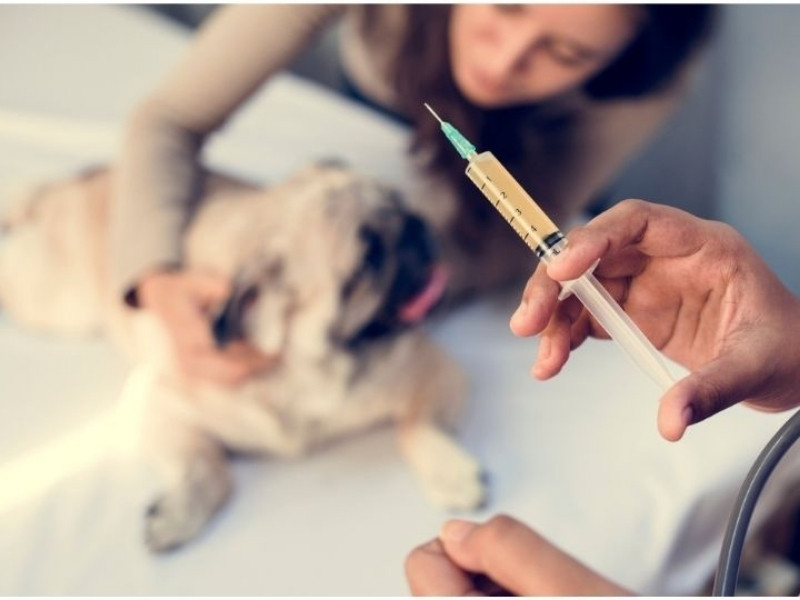
Vaccinating your pet is one of the most important steps you can take to protect their health and well-being. From preventing life-threatening diseases to saving on costly treatments, vaccines are a critical part of every pet’s healthcare plan. If you’ve been putting off scheduling your pet’s vaccines, now is the time to act.
Why Vaccinations Are Essential for Pets
Just like people, pets are vulnerable to infectious diseases that can spread quickly. Some illnesses can be deadly or lead to lifelong complications if left untreated. Vaccines help your pet’s immune system build defenses against these diseases, giving them a much stronger chance of living a long, healthy life.
Regular vaccinations also benefit the entire pet community, helping reduce the spread of contagious diseases among dogs and cats.
The Top 5 Reasons to Vaccinate Your Pet Now
1. Protection From Deadly Diseases
Vaccines guard against some of the most dangerous illnesses in pets, such as:
- Rabies – Fatal and transmissible to humans
- Parvovirus – Causes severe vomiting, diarrhea, and dehydration in dogs
- Distemper – Affects a pet’s respiratory, gastrointestinal, and nervous systems
- Feline Panleukopenia – A deadly virus in cats that spreads rapidly
Without vaccination, pets are left exposed to these diseases, many of which have no cure.
2. Compliance With Local Laws
Many states and cities, including areas in Minnesota, require core vaccinations such as rabies for all pets. Staying up to date ensures you remain in compliance with the law and avoid potential fines or restrictions. Vaccination records are also often required if you board your pet, take them to daycare, or travel with them.
3. Prevent Costly Treatments
Treating preventable diseases is often far more expensive—and heartbreaking—than simply preventing them with vaccines. For example, parvovirus treatment can cost thousands of dollars and still may not save a dog’s life. Vaccinating your pet is both an act of love and a smart financial choice.
4. Safer Interactions With Other Pets
Whether at the dog park, grooming salon, or a playdate with friends, pets are frequently exposed to other animals. Vaccinations reduce the risk of spreading contagious diseases, keeping your pet and their furry companions safe. This is especially important for puppies and kittens, whose developing immune systems need extra protection.
5. Longer, Healthier Life
Ultimately, vaccines contribute to your pet’s overall longevity and quality of life. By protecting them from dangerous illnesses, you’re giving your furry friend the best chance to enjoy years of good health, companionship, and happiness by your side.
How to Schedule Your Pet’s Vaccinations
Scheduling vaccines for your pet is simple and should be part of their regular wellness routine. Here’s how you can stay on track:
- Check Your Pet’s Records – Review your pet’s vaccination history to see which shots are due.
- Contact Your Veterinarian – Your vet will recommend a vaccination schedule based on age, lifestyle, and health.
- Book a Wellness Visit – Vaccinations are often given during annual wellness exams, allowing your vet to evaluate overall health.
- Set Reminders – Keep a calendar or use your vet’s reminder system to ensure your pet never misses a dose.
Vaccinations are a cornerstone of preventive care, protecting pets from life-threatening illnesses and giving them the best chance at a long, healthy life. From rabies to parvovirus, vaccines are a simple yet powerful way to safeguard your pet’s future.
If you’re in Cottage Grove, MN, and searching for trusted pet vaccinations near me, Park Grove Pet Hospital is here to provide expert care and easy scheduling for your furry family members.
FAQs About Pet Vaccinations
Q1. At what age should pets start vaccinations?
Ans. Puppies and kittens typically begin vaccines at 6–8 weeks of age, with boosters every few weeks until they are about 16 weeks old.
Q2. Do indoor pets need vaccines?
Ans. Yes. Even indoor pets can be exposed to diseases through people, other animals, or accidental escapes.
Q3. Are vaccines safe for pets?
Ans. Yes. Vaccines are thoroughly tested and monitored for safety. Side effects are rare and usually mild, such as slight soreness at the injection site.
Q4. How often do pets need booster shots?
Ans. Most core vaccines require boosters every 1–3 years, depending on the type of vaccine and your veterinarian’s recommendations.
Q5. What if my pet misses a scheduled vaccine?
Ans. If your pet falls behind, your vet can help create a catch-up schedule to ensure they remain protected.
Q6. Can vaccines prevent every illness?
Ans. No, but they significantly reduce the risk of the most dangerous and widespread diseases, making them an essential part of pet healthcare.