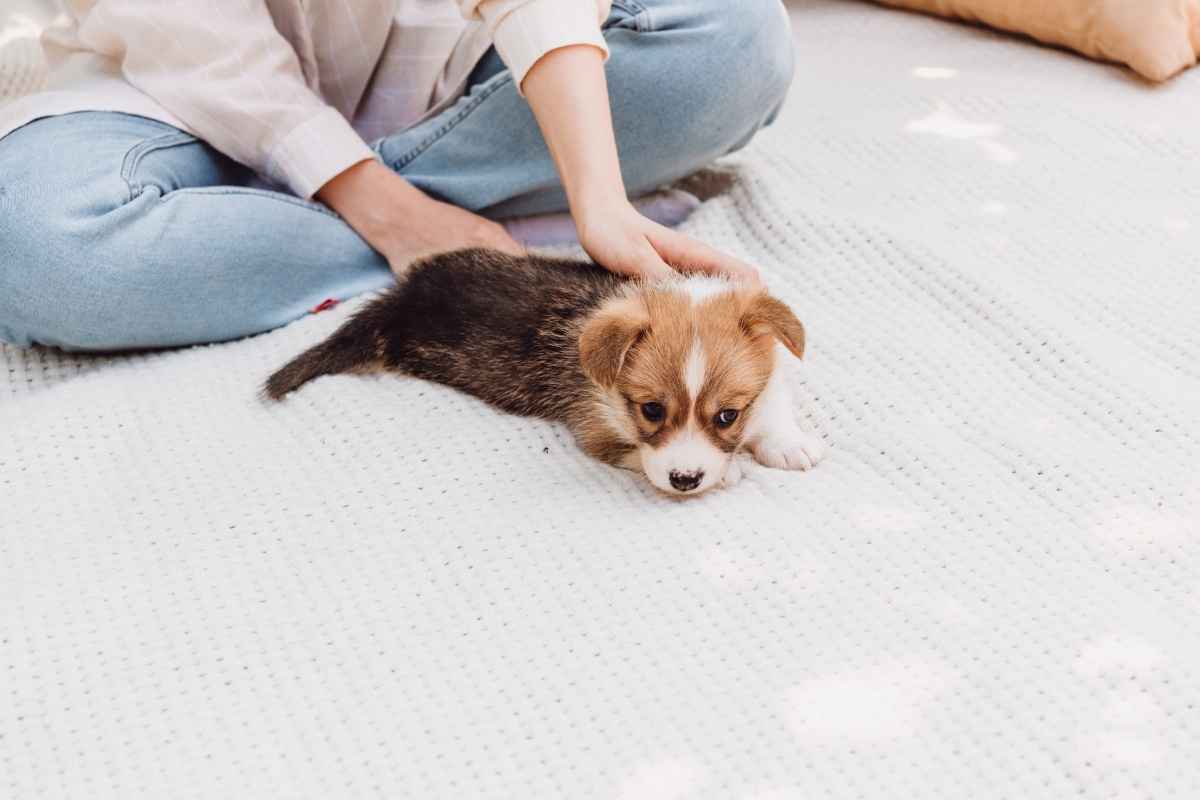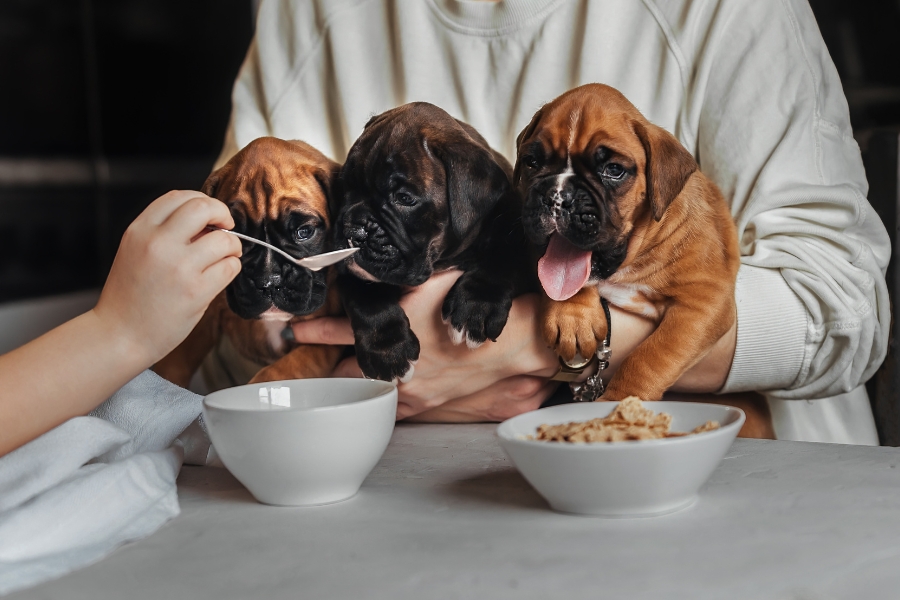



Bringing home a new puppy fills your heart with excitement and joy. Those tiny paws, playful barks, and endless cuddles create memories you’ll treasure forever. However, raising a healthy, happy pup requires more than just love—it demands proper knowledge and preparation. Whether you’ve adopted your first furry friend or welcomed another addition to your family, understanding essential care practices makes all the difference. This guide shares the top tips for caring for your new puppy, helping you build a strong foundation for years of companionship.
Understanding Your Puppy’s Basic Needs
Every young dog requires consistent attention to thrive during their crucial developmental stages. Puppies depend entirely on you for nutrition, shelter, socialization, and emotional support. Unlike adult dogs, they need frequent feeding schedules, shorter exercise sessions, and extra patience during training. Recognizing these fundamental requirements helps you create a nurturing environment where your furry companion can flourish.
Essential Tips for Raising a Healthy Puppy
1. Schedule a Veterinary Checkup Immediately
Your puppy’s first vet visit should happen within days of arriving home. A thorough examination identifies potential health concerns early. Additionally, your veterinarian will establish a vaccination schedule and discuss parasite prevention options tailored to your pet’s needs.
2. Feed a Balanced, Age-Appropriate Diet
Young dogs require specially formulated puppy food rich in proteins, fats, and essential nutrients. Avoid adult dog food, as it lacks the calories growing bodies demand. Feed small portions three to four times daily, gradually reducing frequency as your pup matures.
3. Create a Safe, Comfortable Space
Designate a quiet area where your puppy can rest undisturbed. Include a cozy bed, fresh water, and a few safe toys. This personal space becomes their sanctuary during overwhelming moments or when they need peaceful sleep.
4. Start House Training Immediately
Consistency proves essential when teaching bathroom habits. Take your puppy outside after meals, naps, and play sessions. Praise them enthusiastically when they eliminate outdoors. Never punish accidents—instead, clean thoroughly and remain patient.
5. Begin Socialization Early
Expose your young dog to various people, animals, sounds, and environments during their first four months. Positive early experiences prevent fear-based behaviors later. Puppy classes offer excellent socialization opportunities while teaching basic commands.
Building Healthy Habits That Last
6. Establish a Consistent Routine
Dogs thrive on predictability. Set regular times for feeding, walking, playing, and sleeping. A structured schedule reduces anxiety and accelerates training progress. Your puppy will quickly learn what to expect each day.
7. Invest Time in Basic Training
Teach simple commands like “sit,” “stay,” and “come” using positive reinforcement techniques. Short, engaging sessions work best—puppies have limited attention spans. Reward good behavior with treats, praise, or playtime.
For comprehensive guidance on early pet development, explore our resources on Puppy & Kitten Care in Cottage Grove to ensure your young companion receives the best start possible.
8. Prioritize Regular Exercise and Play
Physical activity supports healthy growth and prevents destructive behaviors caused by boredom. However, avoid overexertion—young joints are still developing. Short walks and supervised play sessions keep energy levels balanced.
9. Maintain Proper Grooming Practices
Introduce brushing, nail trimming, and ear cleaning early. Regular grooming sessions prevent matting, detect skin issues, and strengthen your bond. Start slowly, making each experience positive and rewarding.
10. Puppy-Proof Your Home
Remove hazardous items including toxic plants, electrical cords, and small objects your curious companion might swallow. Secure trash cans and store chemicals safely. Prevention protects your puppy from dangerous accidents.
When to Contact a Veterinarian
Watch for warning signs requiring immediate professional attention. These include persistent vomiting, diarrhea, lethargy, loss of appetite, or difficulty breathing. Additionally, unusual lumps, limping, or behavioral changes warrant prompt evaluation. The team at Park Grove Pet Hospital in Cottage Grove, MN can address your concerns and provide expert guidance whenever questions arise.
Welcoming a new puppy into your family marks the beginning of an incredible journey filled with love and learning. By following these essential tips for caring for your new puppy, you’re setting the stage for a lifetime of health and happiness. Start today by scheduling that first veterinary appointment and establishing consistent routines. Your dedication now creates the foundation for a well-adjusted, thriving companion who’ll reward you with unconditional love for years to come.
Frequently Asked Questions:
Q1: How often should puppies visit the vet during their first year?
Ans: Young dogs typically need veterinary visits every three to four weeks until sixteen weeks old for vaccinations. Afterward, schedule checkups every six months during their first year.
Q2: What vaccinations does my puppy need?
Ans: Core vaccines include distemper, parvovirus, adenovirus, and rabies. Your veterinarian may recommend additional vaccines based on lifestyle and local disease risks.
Q3: When can I start walking my puppy outside?
Ans: Wait until your puppy completes their initial vaccination series, usually around sixteen weeks. Before then, carry them outside to experience new environments safely.
Q4: How long can a puppy be left alone?
Ans: Generally, puppies can hold their bladder one hour per month of age. A three-month-old shouldn’t be alone longer than three hours without a bathroom break.
Q5: What foods are toxic to puppies?
Ans: Chocolate, grapes, raisins, onions, garlic, xylitol, and caffeine are dangerous. Keep these items completely out of reach to prevent poisoning.
Q6: How do I stop my puppy from biting?
Ans: Redirect biting toward appropriate chew toys. When nipping occurs, say “ouch” firmly and briefly ignore your puppy. Consistent responses teach gentle mouth behavior.