


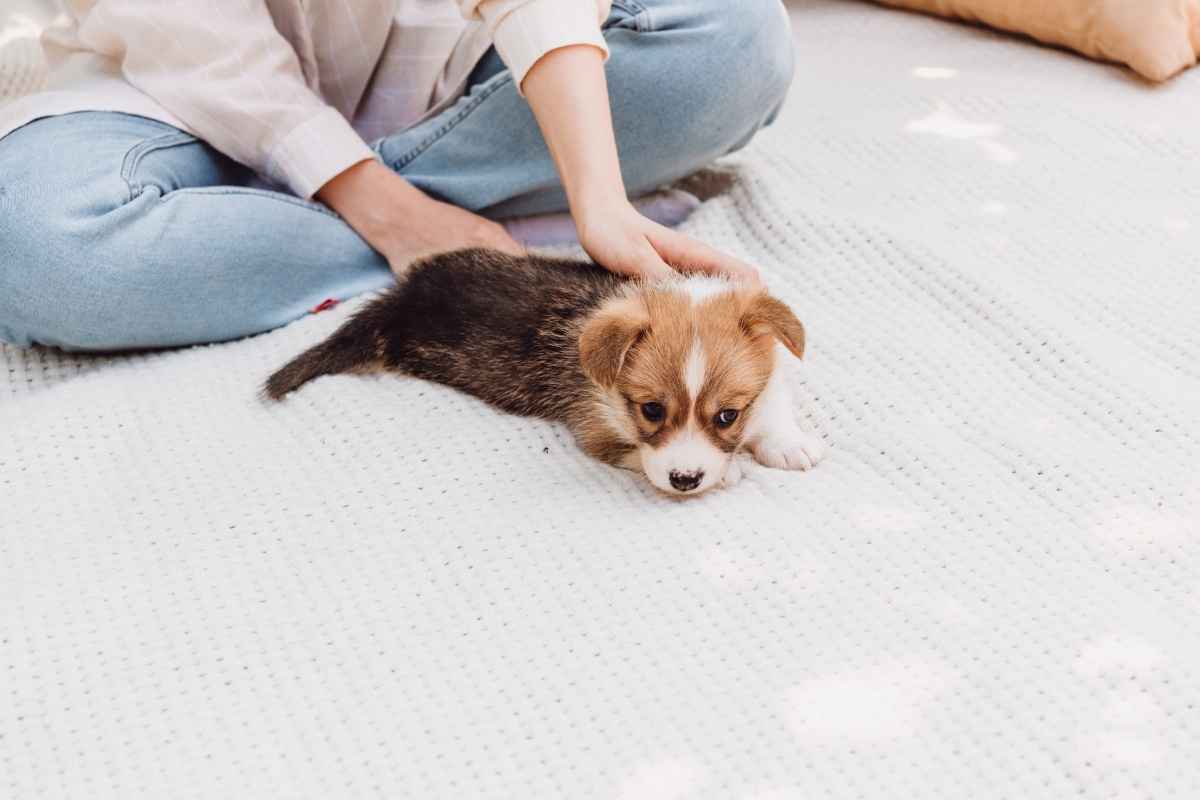
Bringing home a new puppy is an exciting and rewarding experience, but it also comes with important responsibilities. Proper training and early socialization lay the foundation for a confident, well-behaved adult dog. At Park Grove Pet Hospital, we know that the first few months of your puppy’s life are critical for learning healthy behaviors and building positive experiences. For pet owners in Cottage Grove, MN, following veterinarian-approved guidance can make puppy training smoother and more effective. Here’s a comprehensive guide to puppy training and early socialization, designed to support long-term health, behavior, and overall puppy care.
1. Start Training Early and Stay Consistent
Puppies begin learning from the moment they come home. Basic commands such as sit, stay, and come help establish communication and trust. Keep training sessions short, positive, and consistent to match your puppy’s attention span. Using rewards like treats and praise reinforces good behavior and supports healthy puppy care habits from the start.
Consistency is key. Make sure all family members use the same commands and rules so your puppy doesn’t become confused.
2. Focus on Early Socialization
Early socialization helps puppies feel comfortable around people, other pets, and new environments. Introduce your puppy to different sights, sounds, and experiences gradually and safely. This process helps reduce fear and anxiety later in life.
Veterinarians recommend socialization during the early weeks while ensuring vaccinations are on schedule. Controlled exposure, such as puppy classes or supervised playdates, is an important part of puppy care and emotional development.
3. Use Positive Reinforcement Techniques
Positive reinforcement is one of the most effective training methods. Reward desired behaviors immediately so your puppy understands what they did right. Avoid punishment, as it can create fear and hinder learning.
By focusing on encouragement rather than correction, you help build confidence and strengthen the bond between you and your puppy.
4. Establish a Routine
Puppies thrive on routine. Regular schedules for feeding, potty breaks, playtime, and training help them understand expectations. A predictable routine also supports better house training and reduces stress for both you and your puppy.
Maintaining structure is an essential part of puppy care and helps your puppy adjust quickly to their new home.
5. Address Behavioral Concerns Early
Chewing, jumping, and barking are common puppy behaviors. Addressing these issues early prevents them from becoming long-term problems. Provide appropriate chew toys, redirect unwanted behaviors, and consult your veterinarian if concerns persist.
Early guidance ensures your puppy grows into a well-mannered companion and supports long-term wellness.
6. Partner With Your Veterinarian
Regular veterinary visits play an important role in training and socialization. Your veterinarian can offer advice on behavior, nutrition, and development while ensuring your puppy stays healthy. At Park Grove Pet Hospital, our veterinary team supports pet families throughout Cottage Grove, MN, with personalized guidance for every stage of puppy care.
Puppy training and early socialization require patience, consistency, and professional support. By starting early and following veterinarian-recommended practices, you help your puppy grow into a confident, happy adult dog. If you have questions about training, behavior, or puppy care, our team is here to help guide you every step of the way.
If you’re located in Cottage Grove, MN, and are looking for guidance on puppy training and early socialization, we encourage you to schedule a consultation with our experienced veterinary team at Park Grove Pet Hospital today.
FAQs
Q1. When should I start training my puppy?
Ans. Training can begin as soon as your puppy comes home. Simple commands and routines help establish good habits early.
Q2. Why is early socialization important for puppies?
Ans. Early socialization helps puppies feel comfortable in new situations and reduces the risk of fear-based behaviors later in life.
Q3. How long should puppy training sessions be?
Ans. Short sessions of 5–10 minutes are ideal, as puppies have limited attention spans.
Q4. What training method do veterinarians recommend?
Ans. Positive reinforcement using treats, praise, and consistency is widely recommended by veterinarians.
Q5. Can my puppy socialize before all vaccinations are complete?
Ans. Yes, but socialization should be controlled and safe. Your veterinarian can guide you on appropriate exposure.
Q6. When should I contact a veterinarian about behavior concerns?
Ans. If unwanted behaviors persist or worsen, consult your veterinarian early for guidance and support.