

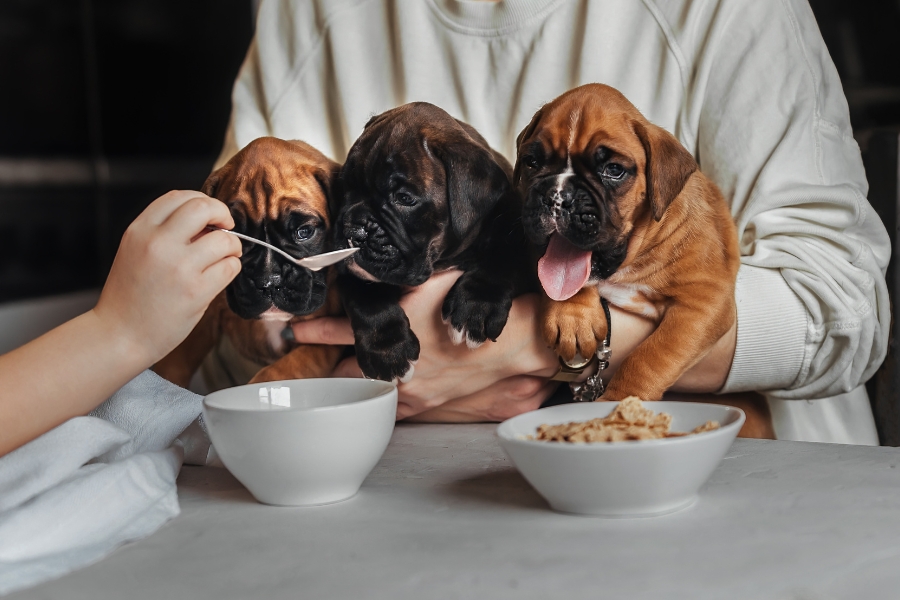
Good nutrition is the foundation of a healthy life for every pet. The food you provide during your dog or cat’s early years directly impacts their growth, development, and long-term well-being. With so many brands and diets available, it can be overwhelming to know what truly is the right food for dogs and cats.
At Park Grove Pet Hospital, we help pet parents in Cottage Grove and surrounding Minnesota communities make confident choices about their pet’s diet. By focusing on quality, balance, and age-appropriate nutrition, you can ensure your new puppy or kitten gets the best start possible.
Why Nutrition Matters Early in Life
Puppies and kittens grow quickly in their first year, and their bodies need the right balance of protein, fat, vitamins, and minerals to support healthy development. Without proper nutrition, pets are more prone to weak bones, poor muscle growth, and long-term health issues. Investing in high-quality food now can prevent problems later.
1. Choose Food Designed for Growth
The first step in selecting the right food for puppies and cats is choosing formulas made specifically for growth and development. Choose puppy or kitten foods that state they meet the nutritional standards set by AAFCO, which ensures the formula supports healthy growth. These foods are scientifically formulated to meet the nutritional needs of growing pets.
2. Read the Ingredient List Carefully
Not all pet foods are created equal. Check that real meat, like chicken, beef, or fish, is listed as the main ingredient. Skip foods that rely heavily on low-quality fillers such as corn, soy, or by-products. Whole ingredients support healthy digestion and provide better energy for play and learning.
3. Balance Is More Important Than Trends
Pet food trends come and go — from grain-free to raw diets — but what matters most is balance. Puppies and kittens require:
- Protein for muscle and tissue growth
- Healthy fats for brain development
- Calcium and phosphorus for strong bones
- Essential vitamins and minerals for immune support
Consulting your veterinarian is the best way to confirm that your pet’s diet covers all nutritional bases.
4. Watch Portion Sizes
Even high-quality food can cause problems if given in the wrong amounts. Overfeeding is one of the most common mistakes pet parents make, leading to obesity and joint issues later in life. Follow the feeding guidelines on the bag or can, but adjust based on your pet’s activity level and growth progress.
Your vet can help you determine the right portions for your pet’s breed and size.
5. Transition to Adult Food at the Right Time
Puppies and kittens shouldn’t stay on growth formulas forever. Most dogs are ready to move to adult formulas around their first birthday, while kittens often benefit from staying on kitten diets until roughly 12 to 14 months of age.. Making the switch too early can leave them lacking key nutrients, while waiting too long can contribute to unnecessary weight gain.
6. Fresh Water Is Part of Nutrition
Hydration is just as important as food. Always provide clean, fresh water to support digestion, kidney function, and overall health. Cats in particular may not drink enough water, so incorporating wet food alongside dry kibble can help increase their intake.
7. Partner with Your Veterinarian
Your veterinarian is the best source of guidance when selecting the right food for puppies and kittens. Because no two pets are the same, your veterinarian can guide you toward the best diet by considering factors like breed, energy level, and overall health.
For specialized care, explore our puppy & kitten care in Cottage Grove, MN, services, where our veterinary team provides personalized guidance to set your new pet up for a healthy future.
Choosing the right food for puppies and cats is one of the most important decisions you’ll make as a pet parent. By focusing on quality, balance, and professional guidance, you can give your pet the best foundation for a lifetime of health.
At Park Grove Pet Hospital, we are here to help every step of the way, from first checkups to tailored nutrition plans. Schedule an appointment today and let us support your pet’s journey to a healthy, happy life.
Frequently Asked Questions
Q1. How often should I feed my puppy or kitten?
Ans. Puppies typically need three to four small meals a day, while kittens do best with three meals until they reach adulthood.
2. Is grain-free food safe for puppies and kittens?
Grain-free diets are not necessary unless recommended by a vet. Balanced diets with whole grains are safe and often beneficial.
3. Can I give homemade food instead of commercial diets?
Homemade food can lack essential nutrients if not carefully formulated. Always consult your veterinarian before preparing a home diet.
4. At what age should a puppy or kitten move to adult food?”
Most dogs switch around 12 months, while cats may continue kitten food until 12–14 months. Your vet can guide you based on breed and growth.
5. Are treats safe for puppies and kittens?
Yes, but use them sparingly. Treats should make up less than 10% of daily calories to avoid weight gain.
6. How can I tell if my pet’s food is high quality?
Check that the food meets AAFCO standards, lists real protein as the first ingredient, and avoids excessive fillers or artificial additives.