

Diagnostic Care When Answers Matter Most
Something feels off with your dog, but it is not always easy to tell what is wrong. A drop in energy, changes in appetite, or unusual behavior can leave you guessing and worrying at the same time. Waiting and hoping things improve can sometimes delay the care your dog truly needs. Diagnostic testing helps uncover the cause early, so treatment can begin before the issue becomes more serious.
At Park Grove Pet Hospital, dog diagnostic care in Cottage Grove is built around timely testing and clear answers that guide the next steps in your pet’s care. While the focus here is on dogs, the same thoughtful approach is used across all diagnostic services. Careful evaluation and modern tools allow the veterinarian to understand what your dog is experiencing and respond with the right plan.
Why Diagnostic Testing Matters for Your Dog
Dogs cannot explain discomfort, so signs often appear in behavior or physical changes. Diagnostic care plays an important role in turning those signs into clear information. Instead of guessing, testing provides real answers that help guide treatment decisions.
How Early Testing Helps Your Dog
- Faster answers: Testing helps quickly identify the cause of symptoms, reducing the time spent guessing about your dog’s condition.
- Targeted treatment: Clear results allow the vet to recommend care that directly addresses the problem, rather than relying on trial and error.
- Better outcomes: Early detection often leads to easier treatment and a smoother recovery process.
A timely diagnosis can make a noticeable difference in how quickly your dog starts to feel better.
Signs Your Dog May Need Diagnostic Care
Some symptoms may seem minor at first, yet they can signal underlying health concerns. Paying attention to changes helps you decide when testing is necessary.
Common Warning Signs to Watch
- Low energy levels: Dogs that seem unusually tired or less interested in activity may be dealing with hidden health issues.
- Loss of appetite: Changes in eating habits can point to digestive or internal concerns.
- Unexplained weight changes: Sudden weight loss or gain often requires further evaluation.
- Vomiting or diarrhea: Ongoing digestive issues should be assessed to determine the cause.
- Behavior changes: Irritability, restlessness, or withdrawal can signal discomfort or illness.
Recognizing these signs early allows the veterinarian to step in before the condition worsens.
What Happens During a Diagnostic Visit
A diagnostic visit focuses on understanding your dog’s condition through a combination of observation and testing. Each step is designed to gather useful information and build a clear picture of your dog’s health.
The Evaluation Process
- Initial examination: The vet reviews your dog’s symptoms, medical history, and current condition.
- Discussion of concerns: Your observations help guide the testing process and highlight specific issues.
- Selection of tests: Based on the findings, appropriate diagnostic tools are selected to obtain accurate results.
Careful evaluation ensures that testing is purposeful and focused on finding real answers.
In-House Laboratory Testing for Quick Results
An in-house laboratory allows testing to be done on-site, which means results are available much faster. Quick access to information helps guide treatment decisions without unnecessary delays.
Tests Performed in the Laboratory
- Blood testing: Evaluates organ function, checks for infection, and identifies abnormalities that may not be visible externally.
- Urine analysis: Helps detect issues related to the kidneys, urinary tract, and overall health.
- Fecal testing: Identifies parasites and digestive concerns that can affect your dog’s well-being.
Fast results from an in-house lab allow treatment to begin sooner, improving your dog’s comfort and recovery.
Digital X-Rays for a Closer Look Inside
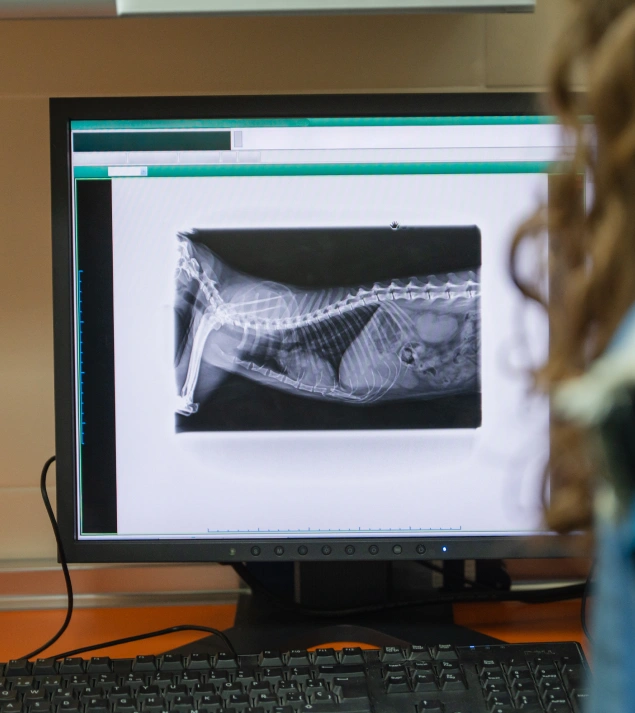
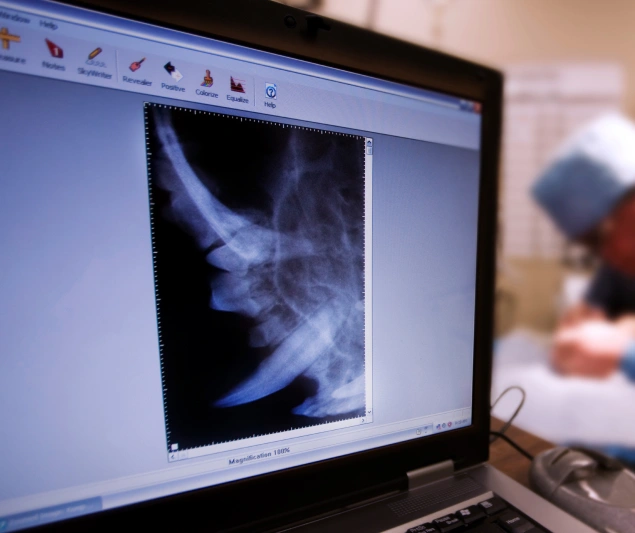
Some conditions cannot be detected through physical exams alone. Digital X-rays provide a clear view of your dog’s internal structures, helping identify injuries or abnormalities.
What Digital Imaging Can Reveal
- Bone injuries: Fractures or joint problems can be clearly seen on imaging.
- Organ concerns: Changes in organ size or shape may indicate underlying issues.
- Foreign objects: Items swallowed can be detected quickly.
Digital X-rays are an important tool for diagnosing conditions that are not visible on the surface.
How Diagnostic Results Shape Treatment Plans
Once test results are available, the next step is creating a plan that addresses your dog’s specific needs. Clear results allow for more focused and effective care.
Turning Results Into Action
Accurate Diagnosis
Identifying the exact issue helps avoid unnecessary treatments.
Customized Care
Treatment plans are tailored to your dog’s condition and overall health.
Ongoing Monitoring
Follow-up testing may be used to track progress and adjust care if needed.
A clear plan helps your dog recover more comfortably and with fewer complications.

The Value of Ongoing Monitoring
Diagnostic care does not end after the first test. Monitoring your dog’s health over time helps ensure that treatment is working and that new concerns are addressed early.
Why Follow-up Matters
- Track progress: Repeat testing shows how your dog is responding to treatment.
- Adjust care: Changes in results help guide updates to treatment plans.
- Prevent recurrence: Monitoring helps catch issues before they return or worsen.
Regular follow-up keeps your dog on the path to better health.
Diagnostic Care That Focuses on Finding the Cause
When your dog is not acting like themselves, the biggest challenge is understanding what is actually wrong. Changes in behavior or energy can feel confusing, especially when symptoms are not obvious. A structured diagnostic approach helps move past uncertainty and focuses on identifying the real issue so your dog can get the right care without delay.
Careful evaluation and targeted testing allow the veterinarian to connect symptoms with underlying conditions. The same method is used for all pets, including diagnostic care for cats, ensuring every patient receives consistent, timely evaluation based on real findings rather than assumptions.
Advanced Tools That Help Guide Treatment Decisions
Park Grove Pet Hospitaloffers diagnostic services designed to uncover health concerns and guide the next steps in care. We use in-house laboratory testing and digital X-rays to gather accurate information quickly, which helps reduce waiting time and allows treatment decisions to be made sooner.
When your dog is not feeling well, getting clear answers becomes a priority. Book an appointment with Park Grove Pet Hospital to begin the diagnostic process and move toward a treatment plan that helps your dog feel better. Our team will guide you through each step and help your dog return to a more comfortable routine.