

Help Your Dog Stay Active Through the Senior Years
Getting older changes how your dog moves, rests, and responds to daily routines. You may notice slower walks, more time spent resting, or changes in appetite and behavior. Those shifts are not random. They often signal that your dog’s body is working differently than before. At Park Grove Pet Hospital, we focus on care that keeps dogs stable, active, and engaged as they age. Our approach to senior dog care in Cottage Grove centers on tracking changes early and adjusting care in a way that fits your dog’s life.
Senior years can still feel active and enjoyable when the right care plan is in place. A clear strategy for senior pet care helps manage physical changes while maintaining daily comfort. With regular visits to a veterinarian and consistent routines at home, your dog can continue to stay involved in the activities they enjoy.
Aging Brings Changes You Can Actually Manage
Aging does not happen all at once, yet the early signs are easy to overlook. Small changes, such as stiffness after rest, reduced interest in play, or changes in sleep patterns, can build over time. Ignoring those signals often leads to larger concerns that are harder to manage later. A focused plan for aging dog care helps identify these shifts early and respond practically.
Regular visits with a vet make it easier to track your dog’s health over time. Weight, joint movement, organ function, and behavior are all reviewed during each visit. A structured approach to aging dog care allows adjustments that improve mobility and maintain overall health. Early attention helps prevent sudden changes that can disrupt your dog’s routine.
Care That Adjusts as Your Dog Ages
Every dog ages at a different pace. Some remain active for years, while others show changes earlier. A consistent plan that combines prevention and monitoring helps maintain stability and comfort.
Vaccinations That Still Play a Role
Protection from preventable illness remains important even in later years. Senior dogs still benefit from updated vaccinations that help reduce risk and maintain overall health.
What Vaccination Care Includes
- Core vaccines: Protect against common diseases that affect dogs at any age.
- Booster updates: Maintain immunity levels over time.
- Lifestyle adjustments: Tailor protection based on activity and exposure.
Staying current with vaccinations helps reduce unnecessary health risks and keeps your dog protected.
Dental Hygiene That Impacts Daily Life
Dental health affects more than just your dog’s teeth. It can influence appetite, energy, and overall comfort. Ignoring dental care can lead to issues that impact daily routines.
What Dental Care Involves
- Routine dental checks: Identify plaque buildup and gum concerns early.
- Cleaning guidance: Maintain oral hygiene with simple home habits.
- Preventive focus: Reduce the risk of infection and discomfort.
Healthy teeth allow your dog to eat properly and stay active without added discomfort.
Nutrition That Matches Slower Metabolism
Older dogs process food differently, which makes diet an important part of caring for aging dogs. Changes in weight and energy often reflect how well your dog’s diet fits their stage of life.
Nutritional Care Includes
- Balanced meals: Provide nutrients that match aging bodies.
- Weight management: Reduce strain on joints and internal systems.
- Feeding routines: Keep digestion steady and predictable.
A proper diet helps maintain energy levels and keeps your dog feeling stable throughout the day.
Flea and Tick Control That Prevents Setbacks
Parasites can cause more serious problems for older dogs. Fleas and ticks can irritate and may lead to additional health concerns if not managed.
Parasite Control Includes
- Flea prevention: Reduce itching and skin irritation.
- Tick protection: Lower exposure to disease-carrying pests.
- Routine treatments: Maintain protection year-round.
Consistent prevention keeps your dog comfortable and avoids complications that affect daily life.
Grooming and Nail Care That Improves Movement
Routine grooming plays a direct role in your dog’s mobility and comfort. Overgrown nails or poor coat care can make movement more difficult.
Grooming care includes:
- Nail trimming: Prevent discomfort while walking or standing.
- Coat maintenance: Keep skin clean and reduce irritation.
- Routine checks: Identify physical changes early.
Regular grooming helps your dog move more easily and stay comfortable.
Lab Work That Shows What You Cannot See
Physical exams provide important information, yet lab work reveals what is happening inside your dog’s body. Early detection through testing allows better control of health conditions.
What Senior Lab Work Includes
Internal Parasite Testing
Detect hidden parasites that affect digestion and energy.
Urinalysis
Evaluate kidney function and hydration levels.
Complete Blood Counts
Identify changes in overall health.
Blood Chemistry Screening
Monitor organ function over time.
Thyroid Screening
Detect hormone imbalances that affect weight and energy.
Heart Screening
Evaluate heart health and identify early concerns.
Disease Screening for Dogs
Test for Lyme, heartworm, Ehrlichia, and Anaplasma.
Routine lab work provides clear data that helps guide care decisions and track changes over time.

Daily Habits That Keep Your Dog Stable
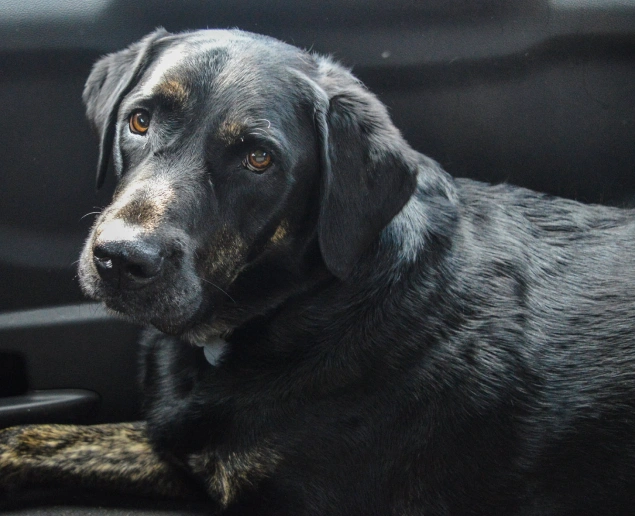
Consistent routines at home play a major role in how your dog feels each day. Small adjustments can improve comfort and reduce stress.
Helpful daily care tips:
- Comfortable resting areas: Reduce pressure on joints during rest.
- Regular low-impact activity: Maintain movement without strain.
- Consistent feeding times: Keep digestion predictable.
- Close observation: Notice changes in behavior or appetite early.
These habits create a stable environment that helps your dog stay active and comfortable.
Care That Focuses on Long-Term Comfort
As dogs move into later stages of life, attention shifts toward maintaining stability and reducing discomfort. A structured approach to geriatric dog care focuses on managing health conditions while maintaining consistent daily routines. Regular check-ins with a veterinarian allow adjustments that match your dog’s current condition.
We use ongoing evaluations, lab testing, and routine care plans to track changes and respond early. Each visit provides insight into your dog’s health, helping guide decisions that improve comfort and maintain activity levels.
Keep Every Day Working in Your Dog’s Favor
Your dog’s routine, comfort, and activity all depend on consistent care. We use targeted senior dog care in Cottage Grove and routine monitoring to manage changes that come with age while keeping your dog active in daily life. A strong plan reduces unexpected issues and keeps your dog on a steady path.
If you need guidance on building a better routine today that shapes how your dog feels tomorrow, book an appointment with Park Grove Pet Hospital. Take the next step in caring for your dog during this stage of life. Our team is ready to help your dog stay active, stable, and cared for every day.