

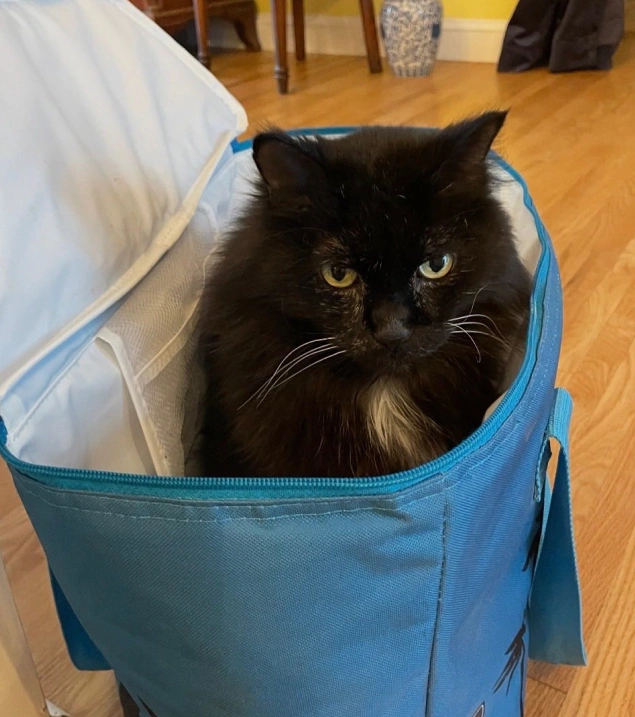

Keeps Your Cat Feeling Their Best Every Day
Caring for a cat often feels simple on the surface, yet many health concerns develop quietly over time. A cat may eat normally and still have an underlying issue that goes unnoticed. Small changes in behavior, grooming, or activity levels can be early signs that something is not quite right. Preventive care for cats focuses on catching those changes early and keeping your cat comfortable through every stage of life.
At Park Grove Pet Hospital, cat preventive care in Cottage Grove is centered around consistency, early detection, and thoughtful planning. Each visit is designed to look beyond the obvious and understand your cat’s overall health. A steady routine of checkups, vaccines, and wellness guidance helps build a healthier future with fewer surprises along the way.
Building a Strong Health Routine From the Start
Creating a routine for your cat’s health is one of the most effective ways to prevent problems before they begin. Regular visits allow a veterinarian to track patterns, notice subtle changes, and guide care based on your cat’s lifestyle.
Why Routine Care Makes a Difference
- Consistent monitoring: Regular visits allow the vet to compare changes over time and catch early warning signs before they become serious concerns.
- Stronger immunity: Scheduled vaccines help protect your cat from preventable diseases that can affect long-term health.
- Better daily comfort: Ongoing care helps reduce discomfort caused by untreated or unnoticed conditions.
A structured routine builds confidence in your cat’s health and helps avoid unexpected complications.
Wellness Plans That Keep Care Organized
Wellness plans bring structure to your cat’s healthcare routine. Instead of guessing when to schedule visits, a plan keeps everything on track and easier to manage.
What Wellness Plans Include
- Routine checkups: Regular exams help monitor growth, weight, and overall condition throughout your cat’s life.
- Vaccination schedules: Timely vaccines ensure your cat stays protected as they grow and age.
- Health tracking: Weight, appetite, and behavior patterns are reviewed during each visit.
These plans simplify care while ensuring your cat receives consistent attention.
Exams That Look Beyond the Obvious
A detailed exam offers more than a quick check. Each visit is a chance to understand your cat’s health better.
What Happens During an Examination
- Physical evaluation: A veterinarian checks your cat’s coat, skin, eyes, ears, and body condition for visible concerns.
- Internal assessment: Heart rate, breathing patterns, and abdominal health are carefully reviewed.
- Lifestyle discussion: Changes in behavior, eating habits, or activity levels are discussed to identify early signs of concern.
These exams build a complete picture of your cat’s health over time.
Vaccines That Guard Against Serious Illness
Vaccinations play a key role in keeping your cat safe from diseases that can spread quickly and cause lasting harm. Each vaccine is selected based on your cat’s environment and lifestyle.
Core Vaccines Every Cat Should Receive
- Rabies vaccine: Protects against a virus that is fatal and can be transmitted to humans through bites.
- FVRCP vaccine: Covers feline viral rhinotracheitis, calicivirus, and panleukopenia, which are highly contagious and serious illnesses.
Non-Core Vaccines Based on Risk
- Feline leukemia vaccine: Recommended for cats that go outdoors or frequently interact with other cats.
- Bordetella vaccine: Helps protect against respiratory infections in multi-cat environments or boarding situations.
- Chlamydia vaccine: May be advised for cats in environments with a higher exposure risk.
Vaccination plans are adjusted over time to match your cat’s lifestyle and risk level.
Keeping Parasites Out of Your Cat’s Life
Parasites can affect cats even if they stay indoors most of the time. Fleas, ticks, and internal parasites can cause discomfort and spread disease if left untreated.
Common Parasites and Their Impact
- Fleas and ticks: External parasites that cause itching, skin irritation, and can transmit infections.
- Heartworms: Mosquito-borne parasites that affect the heart and lungs, often without early symptoms.
- Intestinal parasites: Worms that can impact digestion and lead to weight loss or poor health.
Regular prevention helps protect your cat from these hidden threats.


Microchipping for Lifelong Identification
Cats can slip out of the house unexpectedly, even when they usually stay indoors. Microchipping provides a reliable way to identify your pet if they become lost.
Why Microchipping Matters
- Permanent ID: A small chip is placed under your cat's skin and stays with them for life.
- Quick process: The procedure is simple and completed during a routine visit.
- Better chances of recovery: Shelters and clinics can scan the chip to find your contact details.
Microchipping adds peace of mind and improves the chances of a safe return.
Nutrition and Weight Management That Fits Your Cat’s Needs
A balanced diet plays a major role in keeping your cat healthy. Weight gain or loss can affect joints, energy levels, and overall well-being.
Building Healthy Eating Habits
- Balanced nutrition: Quality food supports energy, digestion, and long-term health.
- Portion control: Proper serving sizes help prevent obesity and related health concerns.
- Hydration focus: Fresh water intake supports kidney function and overall health.
Nutrition plans are adjusted based on age, activity level, and specific needs.
How Care Changes as Your Cat Ages
Cats have different needs at each stage of life. Preventive care for cats evolves to keep pace with those changes and ensure ongoing health.
Life Stage Approach
Kitten Care Basics
Young cats require frequent visits for vaccinations, growth monitoring, and early development checks. These visits help build a strong foundation for lifelong health.
Adult Cat Maintenance
Adult cats benefit from routine exams, parasite prevention, and consistent monitoring of weight and behavior. Regular care helps maintain stability and prevent new issues.
Senior Cat Adjustments
Older cats may need more frequent checkups to monitor changes in mobility, appetite, and organ function. Early detection becomes even more important during this stage.
Everyday Habits That Make a Big Difference
Simple habits at home can work alongside veterinary care to keep your cat healthy and comfortable.
Easy Changes That Help
- Clean living space: Keeping litter boxes and resting areas clean reduces the risk of infections.
- Regular playtime: Activity helps maintain a healthy weight and supports mental well-being.
- Routine observation: Watching for small changes in behavior helps catch issues early.
Combining home care with regular veterinary visits creates a balanced approach to health.
A Smarter Way to Protect Your Cat’s Future
Park Grove Pet Hospital provides ongoing care designed to keep your cat healthy, active, and comfortable through every stage of life. We use regular exams, tailored vaccination plans, parasite prevention, and nutrition guidance to address your cat’s needs early and effectively.
If you’re looking for help with cat preventive care in Cottage Grove, book an appointment with Park Grove Pet Hospital to stay ahead of potential health issues and keep your cat feeling their best. Our team is ready to guide you with thoughtful care and consistent attention.