

Advanced Diagnostics for Better Feline Health
Cats often hide discomfort, making it harder for you to notice when something is wrong. Small changes in behavior or energy can quickly escalate into a serious issue if left unchecked. Diagnostics help uncover hidden conditions and enable targeted treatment that helps your cat return to their usual self.
AtPark Grove Pet Hospital, we offer proficient cat diagnostic care in Cottage Grove to help you understand what’s really going on with your pet. Whether it’s a routine check-up or an emergency, our diagnostic tools ensure we provide the right care at the right time.
Understanding the Importance of Early Diagnosis
Cats are masters at hiding pain, making it essential for pet owners to be proactive about their health. By detecting problems early, you give your cat the best chance for a full recovery. Regular diagnostic care for cats can identify issues like infections, organ dysfunction, and injuries before they worsen.
Why Early Diagnosis Matters
- Prevent the worsening of conditions: Early intervention allows us to address health concerns before they become severe.
- Targeted treatment: A clear diagnosis leads to more effective and focused treatment plans.
- Improved recovery: Catching issues early often leads to faster, smoother recoveries.
The sooner we know what's going on, the sooner we can help your cat feel better.
Key Signs Your Cat Needs Diagnostic Care
While some signs of illness in cats are subtle, others are easier to notice. Recognizing these early warning signs can help you determine when your cat might need diagnostic care.
Common Symptoms That Shouldn't Be Ignored
- Changes in appetite: If your cat suddenly starts eating less or more, it could be a sign of underlying health problems.
- Lethargy or behavior changes: A normally active cat that becomes unusually sleepy or withdrawn may need further evaluation.
- Frequent vomiting or diarrhea: These digestive issues can signal gastrointestinal problems or infections.
- Weight loss or gain: Unexplained weight changes often indicate metabolic issues or other medical conditions.
- Excessive scratching or grooming: This can indicate skin issues, allergies, or stress-related conditions.
If you notice any of these symptoms, it’s time to schedule a visit with a veterinarian.
What Happens During a Diagnostic Appointment
A diagnostic visit includes several steps aimed at pinpointing your cat’s health issues and providing a clear path to treatment.
Step-by-Step Process for Diagnostic Visits
- Initial Consultation: Our veterinarian will discuss your cat's symptoms, behavior changes, and medical history.
- Physical Examination: A thorough examination helps identify visible issues and narrow down potential causes.
- Testing: Based on the exam, we may perform blood tests, urine tests, or digital X-rays.
Each step of the process is tailored to your cat's specific needs, helping us arrive at the best possible diagnosis.
Advanced Diagnostic Tools for Accurate Results
Our diagnostic care for cats relies on the latest tools and technology to ensure fast and accurate results. With these tools, we can quickly identify the root cause of your cat’s health issue and start a treatment plan right away.
In-House Laboratory Testing
We perform a wide range of tests in-house, which means faster results and quicker treatment decisions.
- Blood tests: These help detect infections, organ issues, and blood abnormalities.
- Urine analysis: Provides insight into kidney function, bladder health, and metabolic conditions.
- Fecal testing: Identifies parasites or gastrointestinal problems.
Having a lab on-site allows us to get accurate results on the same day, so you don’t have to wait long for answers.
Digital X-Rays for Internal Insights
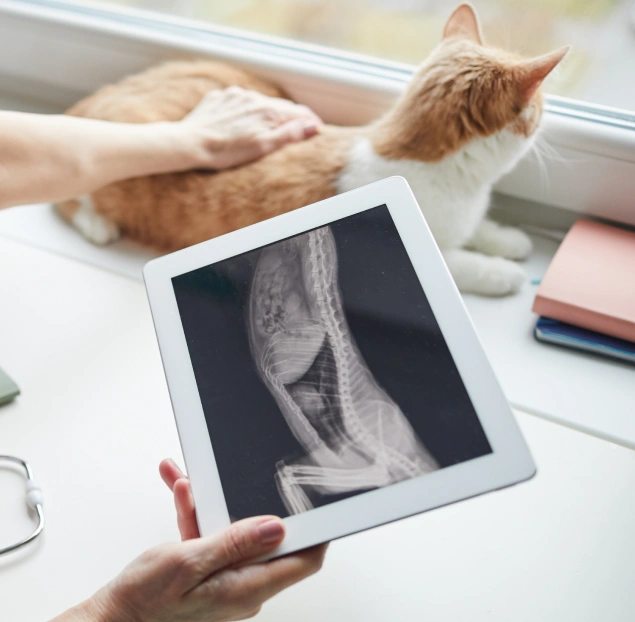
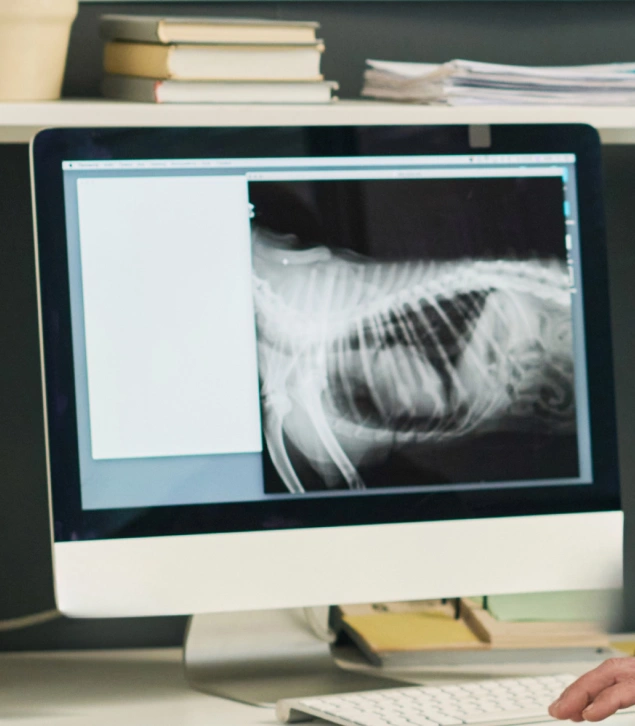
Digital X-rays are an essential diagnostic tool for getting a clear look at your cat’s internal health. These images help us spot bone fractures, organ issues, and other problems that are not visible during a physical exam.
- Bone fractures or joint issues: X-rays help detect fractures, arthritis, or other bone problems.
- Organ conditions: Enlarged organs or masses can be detected through imaging.
- Foreign objects: If your cat has ingested something unusual, X-rays can quickly reveal it.
Digital X-rays are fast, non-invasive, and provide crucial information to guide your cat’s treatment plan.

Personalized Treatment Plans Based on Diagnosis
Once we have a clear understanding of your cat’s condition, we will work with you to create a treatment plan that best fits your pet’s needs. A personalized approach ensures that the treatment is both effective and appropriate for your cat’s specific situation.
What’s Included in a Treatment Plan?
- Medication: We may recommend medications to manage pain, fight infections, or support organ function.
- Dietary changes: Special diets may be necessary to support healing or manage chronic conditions.
- Follow-up appointments: Some conditions require monitoring to ensure they’re improving as expected.
We ensure that you’re fully informed about your cat’s diagnosis and treatment options so that you can make the best decisions for their health.
Ongoing Monitoring and Care
Some health issues require long-term management or follow-up care to ensure your cat remains healthy. Regular monitoring helps us catch any changes early, so treatment can be adjusted as needed.
Why Monitoring is Crucial
- Early detection of complications: Follow-up visits help identify if the treatment is working or if new issues arise.
- Managing chronic conditions: Some conditions, like kidney disease or arthritis, require ongoing management to prevent deterioration.
- Improved long-term outcomes: Regular check-ups help keep your cat’s health on track and prevent unexpected health issues from arising.
By staying proactive, we ensure your cat’s ongoing health and well-being.
Let Us Help Your Cat Feel Better
At Park Grove Pet Hospital, we use advanced diagnostic tools to identify the source of your cat’s symptoms and provide the care they need to feel better. With our in-house laboratory and digital X-ray technology, we can quickly get answers and develop a treatment plan that’s right for your cat. We’re committed to providing cat diagnostic care in Cottage Grove that helps identify health issues early and provides the best treatment. From blood tests and imaging to personalized care plans, we use the latest technology to help your cat feel their best.
If you notice signs of illness in your cat, book an appointment with Park Grove Pet Hospital today to start the diagnostic process. Our team will guide you through each step and help you find the right solution for your pet.