

Helping Your Dog Feel Better with Pain Care
Noticing your dog hesitate before jumping, lag on walks, or pull away when touched can feel unsettling. Those small changes often show up quietly, but they rarely happen without a reason. Dogs tend to push through discomfort, making pain easy to miss until it starts to affect daily life. Pain management focuses on identifying the cause of the discomfort and creating a clear plan to help your dog move, rest, and feel better again.
At Park Grove Pet Hospital, dog pain management in Park Grove Pet Hospital is centered around understanding what your dog is feeling and why those changes are happening. Each step is designed to move from uncertainty to clarity, using careful evaluation and diagnostic tools to guide the right approach for relief and recovery.
Recognizing When Your Dog May Be in Pain
Pain does not always look obvious in dogs, which makes early recognition important. Subtle changes can build over time, and catching them early helps prevent further discomfort or complications.
Signs That May Indicate Discomfort
- Reduced activity: Dogs may avoid walks, playtime, or jumping onto furniture they once enjoyed.
- Changes in posture: Stiffness, limping, or unusual sitting positions can signal joint or muscle discomfort.
- Behavior shifts: Increased irritability, withdrawal, or restlessness may indicate underlying pain.
- Appetite changes: A decrease in eating or drinking habits can sometimes be linked to discomfort.
Recognizing these signs early allows a veterinarian to step in and evaluate the cause.
Understanding What Causes Pain in Dogs
Pain can develop from a wide range of conditions, and identifying the cause is the first step toward relief. Some issues appear suddenly, while others develop gradually over time.
Common Sources of Pain
- Injuries: Sprains, fractures, or soft tissue damage can cause immediate discomfort.
- Joint conditions: Arthritis and joint wear can lead to ongoing stiffness and reduced mobility.
- Dental problems: Oral pain can affect eating habits and overall comfort.
- Internal conditions: Organ-related issues may cause discomfort that is harder to detect without testing.
Each cause requires a different approach, which is why accurate diagnosis plays such an important role.
How Diagnostic Testing Guides Pain Relief
Understanding the source of pain helps guide effective treatment. Diagnostic tools provide clear information that allows a veterinarian to move forward with confidence.
Tools Used to Identify Pain Sources
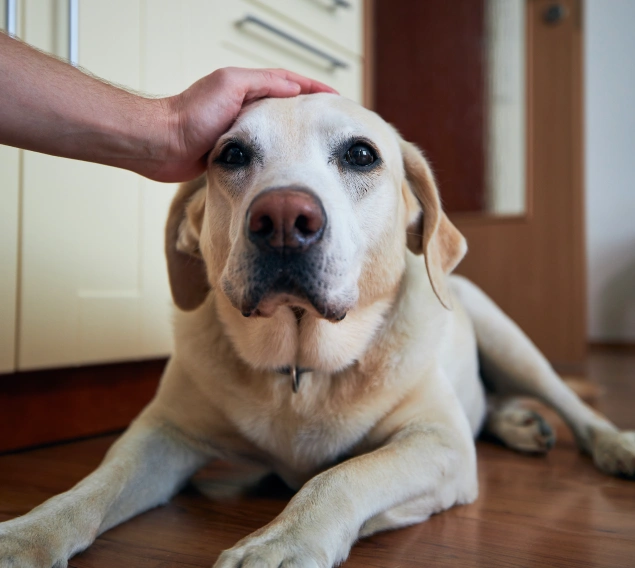
- Physical examination: A veterinarian evaluates movement, posture, and reactions to touch to locate areas of discomfort.
- In-house laboratory testing: Blood and urine tests help detect infections, inflammation, or internal conditions affecting your dog’s health.
- Digital X-rays: Imaging reveals bone, joint, and internal changes that may be causing pain.
These tools help connect symptoms to the underlying issue, allowing for a more focused plan.
In-House Laboratory for Faster Answers
An on-site laboratory allows testing to be completed quickly, reducing wait times and helping begin treatment sooner. Quick results make a noticeable difference when your dog is uncomfortable.
What Laboratory Testing Can Reveal
- Blood work: Identifies infections, inflammation, and changes in organ function that may contribute to discomfort.
- Urinalysis: Helps detect urinary or kidney-related issues that may cause pain.
- Additional screening: Provides a clearer picture of your dog’s overall health status.
Faster answers mean quicker steps toward relief and recovery.
Digital X-Rays That Show What Cannot Be Seen
Pain is not always visible from the outside, which makes imaging an essential part of evaluation. Digital X-rays provide a clear look inside your dog’s body.
What Imaging Helps Identify
- Joint and bone conditions: Arthritis, fractures, or joint misalignment can be clearly seen through imaging.
- Internal concerns: Changes in organs or hidden abnormalities may be revealed.
- Foreign objects: Items swallowed can cause pain and require immediate attention.
Digital imaging allows a veterinarian to make informed decisions based on clear visual evidence.
Creating a Plan That Focuses on Comfort
Once the cause of the pain is identified, the next step is to build a plan that helps your dog feel better. Each plan is tailored to your dog’s condition and overall health.
Elements of a Pain Management Plan
Medication
Targeted medications help reduce inflammation and relieve discomfort.
Activity Adjustments
Temporary changes in activity levels allow the body to heal properly.
Ongoing Evaluation
Follow-up visits ensure the plan is working and adjustments are made if needed.
A structured plan helps your dog regain comfort and return to daily activities.

Supporting Your Dog at Home
Care at home plays an important role in managing pain and improving recovery. Simple adjustments can make a noticeable difference in your dog’s comfort.
Helpful Changes You Can Make
- Comfortable resting areas: Soft bedding reduces pressure on joints and muscles.
- Controlled activity: Limiting jumping or rough play helps prevent further strain.
- Routine observation: Watching for changes helps you respond quickly if symptoms worsen.
These steps work alongside veterinary care to improve overall well-being.
Monitoring Progress over Time
Pain management for dogs is not a one-time solution. Monitoring your dog’s progress helps ensure that treatment continues to work effectively.
Why Follow-up Care Matters
- Track improvement: Regular visits allow a veterinarian to assess your dog's response to treatment.
- Adjust plans as needed: Changes in symptoms may require updates to the care plan.
- Prevent future issues: Ongoing monitoring helps catch new concerns early.
Consistent evaluation keeps your dog moving toward better comfort and health.
Restoring Comfort in Every Step Your Dog Takes
Pain can affect every part of your dog’s daily life, from movement to mood. Addressing it early and effectively helps restore a sense of normalcy and improves quality of life. Pain management for dogs is about more than just relief. It focuses on helping your dog move comfortably, stay active, and enjoy daily routines again.
Park Grove Pet Hospital provides dog pain management in Park Grove Pet Hospital, designed to identify and manage pain in dogs through accurate testing and thoughtful planning. We use in-house laboratory testing and digital X-rays to uncover the source of discomfort and guide the next steps. Each stage of care is focused on helping your dog feel more comfortable and return to their normal routine.
If you need guidance on managing your dog's pain, book an appointment with Park Grove Pet Hospital to begin the process and give your dog the care they need to feel better. Our team is ready to help guide you and restore comfort to your dog’s daily life.