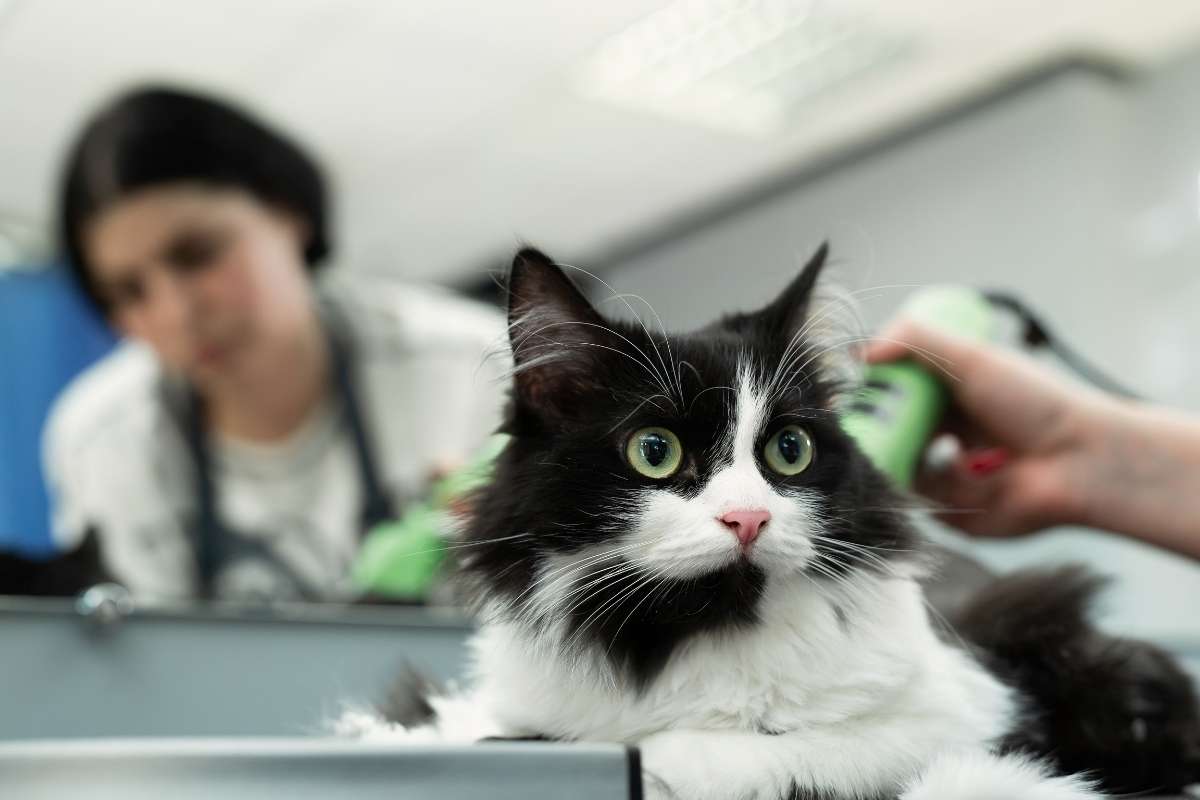


Spaying and neutering are among the most common veterinary procedures performed for dogs and cats. While many pet owners understand these procedures help prevent unwanted litters, the long-term health and behavioral benefits are equally important. Choosing to spay or neuter a pet can support a healthier, safer, and more comfortable life throughout every stage of development.
These procedures are widely recommended by veterinarians because they can reduce the risk of certain diseases, improve behavior in some pets, and help decrease pet overpopulation in communities. Every pet is different, so timing and care recommendations should always be discussed with a veterinarian based on breed, age, and overall health.
At Park Grove Pet Hospital, pet owners frequently ask how spaying and neutering can affect long-term wellness and what to expect during recovery. Understanding the lifelong benefits can help families make informed decisions about their pet’s preventive care.
For families in Cottage Grove, MN, access to preventive veterinary services plays an important role in supporting healthier pets and more responsible pet ownership within the local community.
What Does Spaying and Neutering Mean?
Spaying refers to the surgical procedure performed on female pets to remove reproductive organs, while neutering is the procedure performed on male pets. These treatments are commonly completed during a pet’s early life, although timing may vary depending on breed size, health conditions, and lifestyle.
Both procedures are performed under anesthesia and are considered routine in veterinary medicine.
Reduced Risk of Certain Health Conditions
One of the biggest lifelong benefits of spaying and neutering is the reduced risk of several serious medical conditions.
Benefits for Female Pets
Spaying female dogs and cats may help lower the risk of:
- Uterine infections
- Mammary gland tumors
- Reproductive cancers
- Complications related to pregnancy
Pyometra, a severe uterine infection, can become life-threatening if left untreated. Spaying completely eliminates the risk of this condition.
Benefits for Male Pets
Neutering male pets may reduce the likelihood of:
- Testicular cancer
- Certain prostate conditions
- Hormone-related behavioral issues
- Roaming-related injuries
Preventive procedures can contribute to improved long-term wellness and reduce the need for emergency treatment later in life.
Behavioral Improvements in Some Pets
Hormonal behaviors can sometimes create challenges for both pets and owners. While training and socialization remain important, spaying and neutering may help reduce certain unwanted behaviors.
Possible behavioral benefits include:
- Reduced territorial marking
- Less roaming in search of mates
- Lower aggression in some pets
- Reduced mounting behavior
- Fewer heat-related behaviors in females
Not every behavioral issue is hormone-related, but these procedures can support calmer and safer behavior patterns in many pets.
Helping Reduce Pet Overpopulation
Animal shelters and rescue organizations continue to face overcrowding in many communities. Spaying and neutering help reduce unplanned litters and lower the number of homeless animals entering shelters.
Even responsible pet owners may experience accidental breeding if pets are not altered. Preventive care plays an important role in supporting animal welfare and responsible community pet ownership.
Improved Safety and Lifestyle Benefits
Pets driven by reproductive instincts are often more likely to roam away from home. Roaming can increase the risk of:
- Traffic accidents
- Fights with other animals
- Exposure to disease
- Getting lost or stolen
Neutered and spayed pets are often more focused on their home environment and daily routines, helping improve overall safety.
Recovery and Modern Veterinary Care
Advancements in veterinary surgery have improved both safety and recovery outcomes for pets undergoing spaying or neutering procedures. Most pets recover quickly with proper post-operative care, pain management, and activity restrictions.
Veterinarians typically provide guidance on:
- Feeding after surgery
- Incision monitoring
- Physical activity limitations
- Medication instructions
- Recovery timelines
Following aftercare recommendations closely can help minimize complications and support faster healing.
When Should a Pet Be Spayed or Neutered?
The ideal timing varies depending on the pet’s breed, size, age, and health status. Some pets may benefit from earlier procedures, while others may require delayed timing for orthopedic or developmental considerations.
A veterinarian can evaluate factors such as:
- Breed-specific risks
- Weight and growth patterns
- Existing medical conditions
- Lifestyle and activity level
Because every pet is unique, individualized recommendations are important when planning preventive veterinary surgery.
Common Signs Owners Should Discuss With a Veterinarian
Pet owners may wish to discuss spaying or neutering if they notice:
- Roaming behavior
- Frequent territorial marking
- Heat cycles in female pets
- Aggressive behavior linked to hormones
- Mounting behaviors
- Concerns about accidental breeding
Early conversations with a veterinarian can help owners understand the best timing and expectations for their pet.
Spaying and neutering offer lifelong benefits that extend beyond population control. These procedures may help reduce serious health risks, improve safety, and support better long-term quality of life for both dogs and cats. Combined with regular veterinary care, preventive procedures remain an important part of responsible pet ownership.
If you’re in Cottage Grove, MN, and need guidance from a vet near you about whether spaying or neutering is right for your pet, contact us at Park Grove Pet Hospital. Their team can help you understand the best care options for your pet’s age, breed, and long-term health needs while providing personalized support every step of the way.
Frequently Asked Questions
Q1. Is spaying or neutering safe for pets?
Ans. Yes. These are routine veterinary procedures commonly performed with modern anesthesia monitoring and pain management protocols.
Q2. How long does recovery usually take?
Ans. Many pets recover within 10 to 14 days, although recovery timelines can vary depending on age and overall health.
Q3. Will my pet’s personality change?
Ans. Spaying or neutering typically does not change a pet’s core personality. Some hormone-related behaviors may decrease after recovery.
Q4. Can older pets still be spayed or neutered?
Ans. In many cases, yes. Veterinarians evaluate the pet’s overall health before recommending surgery.
Q5. Will my pet gain weight after the procedure?
Ans. Weight gain is usually linked to diet and activity level rather than the procedure itself. Balanced nutrition and exercise remain important.
Q6. Do indoor pets still need to be spayed or neutered?
Ans. Yes. Indoor pets can still experience hormone-related health risks and behaviors, making preventive care beneficial in many situations.