

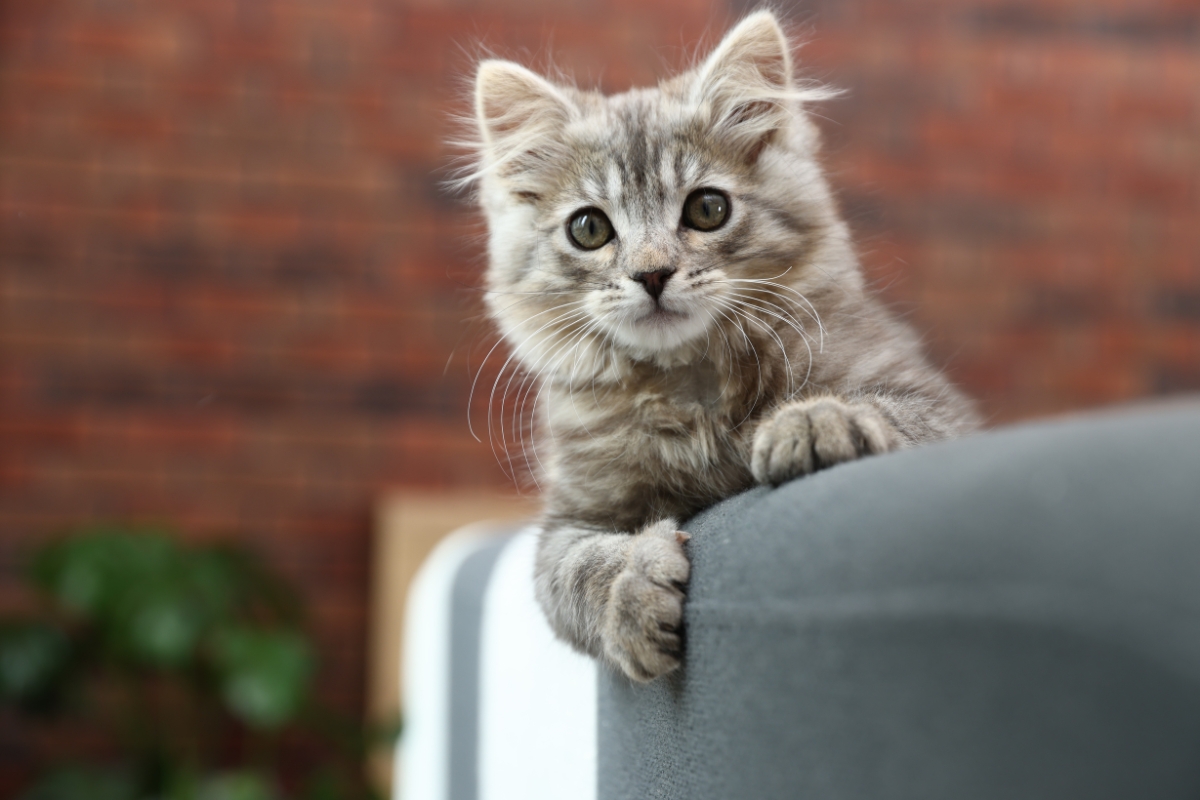
Cats are naturally clean animals that spend a significant amount of time grooming themselves. During this process, they swallow loose hair that usually passes through the digestive system and leaves the body in the stool. However, some cats accumulate enough hair in their stomach to form hairballs, which can lead to occasional vomiting, gagging, or discomfort.
Although an occasional hairball may not indicate a serious problem, frequent hairballs deserve attention. Diet, grooming habits, hydration, activity, and digestive health can all influence how much swallowed hair moves through the digestive tract. Therefore, a few practical changes may help reduce hairball formation and support healthier digestion.
Why Do Cats Develop Hairballs?
When cats groom themselves, their rough tongues collect loose and shedding hair. Much of that hair passes naturally through the digestive tract. However, when a cat swallows more hair than its digestive system can move efficiently, the hair may accumulate and eventually form a compact mass.
Long-haired cats often face a greater risk because they naturally shed and swallow more hair during grooming. Nevertheless, short-haired cats can also develop hairballs. Excessive grooming caused by stress, allergies, parasites, or skin irritation can further increase the amount of hair a cat ingests.
Regular veterinary care can help identify underlying reasons for excessive grooming and determine whether recurring hairballs are simply related to shedding or indicate another health concern.
Can Food Help Prevent Hairballs?
Nutrition can play a useful role in hairball management. Some commercial cat foods are specifically formulated with fiber blends designed to support the movement of swallowed hair through the digestive tract.
Fiber may help promote healthy intestinal movement, allowing ingested hair to pass more effectively. However, more fiber is not always better. Excessive or inappropriate fiber can cause digestive upset, loose stools, or reduced nutrient absorption.
When choosing a hairball-focused diet, consider your cat’s complete nutritional needs rather than focusing on one ingredient. A balanced diet should provide appropriate protein, fat, vitamins, minerals, and calories for your cat’s age and lifestyle.
The Importance of Hydration
Adequate water intake supports normal digestion and helps maintain healthy stool consistency. Cats often have a naturally low thirst drive, so some may not drink enough water from a bowl alone.
To encourage hydration, provide fresh water throughout the day. Some cats prefer wide, shallow bowls, while others enjoy circulating water from a pet fountain. Wet cat food can also contribute to daily fluid intake.
However, every cat has different preferences. Experiment with safe hydration options while keeping fresh water available at all times.
Feeding Tips for Better Digestive Health
Portion control matters when managing your cat’s overall digestive and body health. Follow feeding recommendations based on your cat’s size, age, activity level, and individual needs. Avoid consistently overfeeding because excess weight can contribute to reduced activity and other health concerns.
Feed meals on a predictable schedule whenever possible. Consistency can make it easier to monitor appetite, stool quality, and changes in digestive behavior.
Additionally, introduce any new food gradually. A sudden diet change can cause vomiting or diarrhea, making it difficult to determine whether the new food is helping with hairballs.
Grooming Can Reduce Swallowed Hair
Diet is only one part of hairball prevention. Regular brushing can remove loose fur before your cat has an opportunity to swallow it during grooming.
The ideal grooming frequency depends on your cat’s coat type and shedding pattern. Long-haired cats may need daily brushing, while many short-haired cats benefit from brushing several times each week.
Choose a grooming tool appropriate for your cat’s coat. Keep sessions calm and reward cooperation with praise or an appropriate treat. If your cat becomes distressed, shorten the session and gradually build tolerance.
Encourage Activity and Healthy Habits
Physical activity can support normal digestive function while also helping your cat maintain a healthy body weight. Interactive play with toys, climbing opportunities, scratching posts, and food puzzles can encourage movement throughout the day.
Indoor cats may benefit particularly from structured play because they often have fewer opportunities for natural hunting and exploration. Several short play sessions can provide both physical exercise and mental stimulation.
Moreover, enrichment can help reduce boredom-related grooming in some cats. If excessive licking continues, however, look for other possible causes instead of assuming that your cat simply grooms too much.
When Hairballs May Signal a Problem
Frequent vomiting or repeated attempts to bring up a hairball should not automatically be considered normal. A cat that repeatedly gags without producing a hairball may have another gastrointestinal or respiratory issue.
Watch for additional signs such as reduced appetite, constipation, diarrhea, lethargy, weight loss, persistent coughing, abdominal discomfort, or changes in normal behavior. These symptoms warrant professional evaluation.
At Park Grove Pet Hospital, a veterinary professional can assess recurring digestive or grooming concerns and help determine whether dietary changes, grooming adjustments, or further evaluation may be appropriate.
Hairball prevention involves more than choosing a specialized food. A balanced diet, appropriate fiber, good hydration, regular grooming, portion control, and daily activity can all support healthy digestion and reduce the amount of loose hair your cat swallows.
Because every cat has different nutritional and health needs, avoid making major dietary changes based solely on hairball frequency. Instead, monitor your cat’s grooming, appetite, stool, weight, and overall behavior. Schedule your appointment with Park Grove Pet Hospital if recurring hairballs or digestive changes become a concern.
Frequently Asked Questions
Q1. How often is it normal for a cat to have a hairball?
Ans: Occasional hairballs can occur, particularly in cats that shed heavily. However, frequent hairballs or repeated vomiting should be discussed with a veterinarian to rule out underlying problems.
Q2. Does wet food help prevent hairballs?
Ans: Wet food can increase water intake and support hydration, which may help maintain normal digestion. However, it does not directly prevent every hairball.
Q3. Can fiber help my cat pass swallowed hair?
Ans: Appropriate dietary fiber may support healthy intestinal movement and help swallowed hair pass through the digestive tract. The amount and type of fiber should be suitable for your cat’s individual needs.
Q4. Should I give my cat a hairball supplement?
Ans: Do not introduce supplements without professional guidance. Some products may be inappropriate for certain cats or may interfere with an existing diet or treatment plan.
Q5. How often should I brush my cat?
Ans: Grooming frequency depends on coat length, shedding, and individual needs. Long-haired cats often require more frequent brushing than short-haired cats.
Q6. When should I worry about my cat’s hairballs?
Ans: Contact a veterinarian if hairballs become frequent or your cat repeatedly vomits, gags without producing a hairball, loses weight, stops eating, becomes lethargic, or develops other unusual symptoms.