

Helping your dog recover after surgery is an important part of ensuring their overall comfort and well-being. At Park Grove Pet Hospital, we understand that the recovery period can sometimes feel stressful for both pets and their owners. After a procedure, dogs may experience temporary fatigue, mild discomfort, or changes in behavior as their bodies begin to heal. Providing a calm environment, following recovery instructions carefully, and offering gentle support can make this transition much smoother.
Post-surgical care typically involves monitoring your dog’s activity levels, administering medications as directed, and creating a quiet space where your pet can rest comfortably. Small efforts such as maintaining a consistent routine, offering reassurance, and engaging in safe, low-energy activities can help your dog feel more relaxed during recovery. Here are some helpful ways to cheer up your dog after surgery, especially for pet owners in Cottage Grove, MN.
1. Create a Comfortable Resting Space
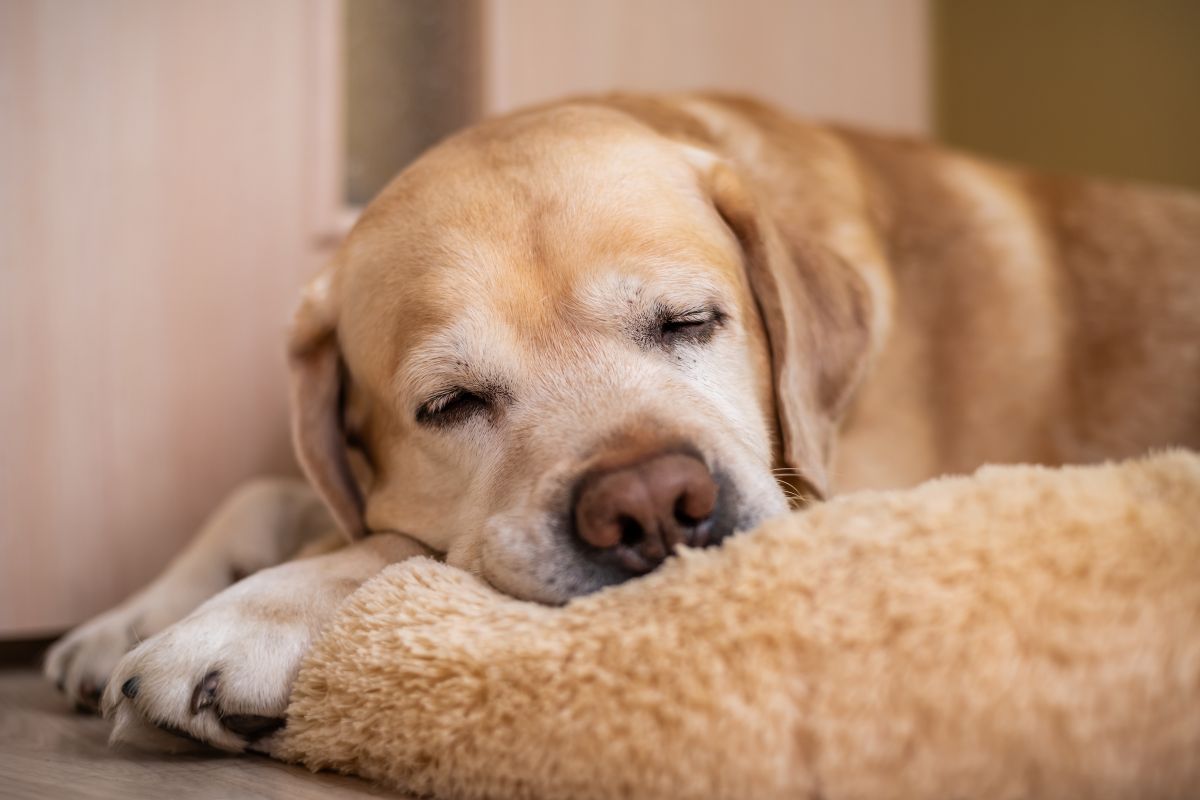
After surgery, dogs need a quiet and comfortable place to rest. Choose a soft bed in a calm area of your home where your dog can relax without too much noise or activity.
A familiar blanket or favorite toy can also provide comfort and help your dog feel secure while resting.
2. Maintain a Calm Routine
Dogs thrive on routine, even during recovery. Keeping feeding times, bathroom breaks, and sleep schedules consistent can help your dog feel more relaxed.
Avoid sudden changes in your dog’s daily routine unless advised by your veterinarian.
3. Offer Gentle Attention
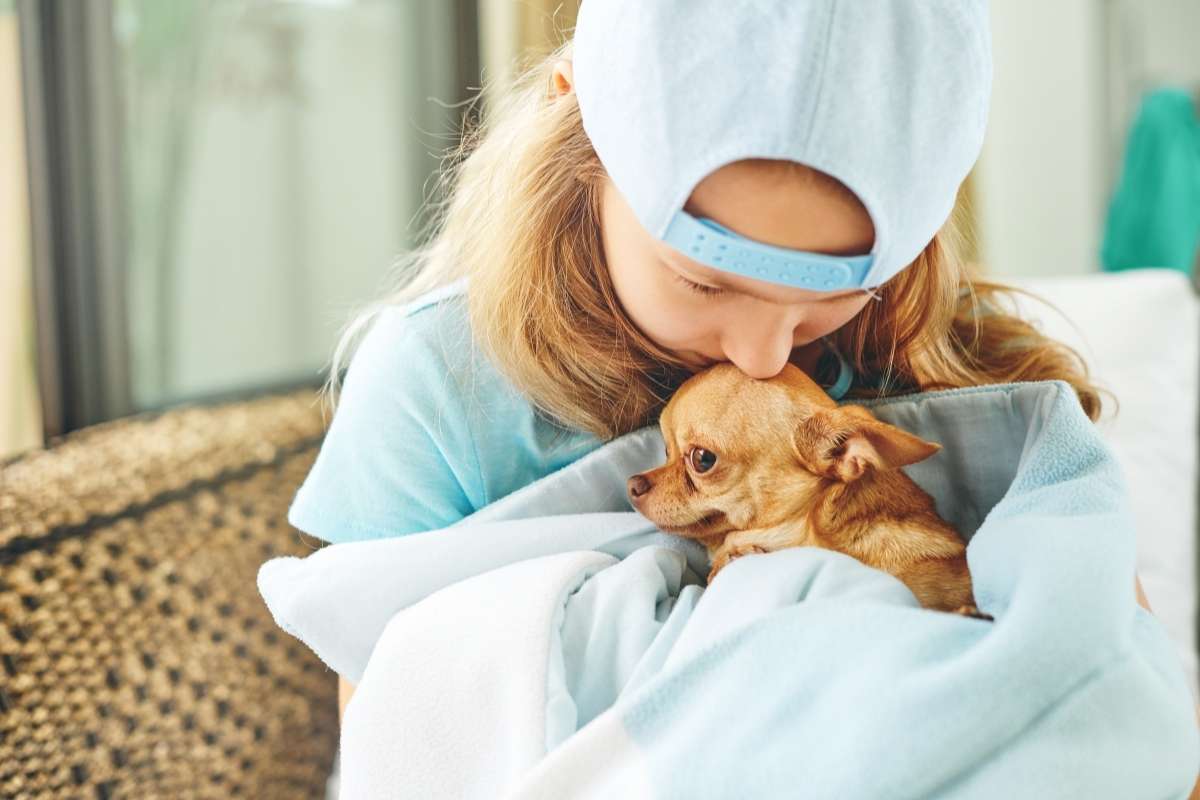
Your dog may appreciate calm affection during recovery. Sitting nearby, speaking softly, or gently petting your dog can provide reassurance.
However, be mindful of your dog’s body language and allow them to rest when needed.
4. Provide Safe Mental Stimulation
While physical activity may be limited after veterinary surgery, mental stimulation can help keep your dog engaged. Puzzle toys or treat-dispensing toys can provide light entertainment without requiring excessive movement.
Choose low-effort activities that do not interfere with your dog’s healing process.
5. Follow Medication Instructions Carefully
Pain management and prescribed medications play a major role in helping your dog feel better after surgery. Always follow your veterinarian’s instructions for dosage and timing.
Proper medication can help reduce discomfort and support a smoother recovery.
6. Use Positive Reinforcement
Recovery can sometimes be frustrating for active dogs who want to move or play. Offering praise, calm encouragement, and small rewards for relaxed behavior can help reinforce positive habits during healing.
7. Spend Quiet Quality Time Together
Dogs often find comfort simply being near their owners. Quiet time spent sitting together or gently talking to your dog can help strengthen your bond and reduce anxiety during recovery.
8. Keep the Environment Stress-Free
A calm household environment helps dogs recover more comfortably. Try to minimize loud noises, excessive activity, or unfamiliar visitors while your dog is healing.
Reducing stress allows your dog’s body to focus on healing after veterinary surgery.
9. Monitor the Healing Process
Keeping an eye on your dog’s incision site and overall behavior is important during recovery. Watch for signs such as swelling, redness, decreased appetite, or unusual behavior.
If anything appears unusual, it is best to consult your veterinarian promptly.
10. Attend Follow-Up Veterinary Visits
Follow-up appointments allow veterinarians to check the surgical site and ensure your dog is healing properly. These visits also provide an opportunity to discuss your dog’s comfort level and activity restrictions.
If you have questions about your dog’s recovery or need guidance after a procedure, you may consider scheduling your appointment at Park Grove Pet Hospital for professional support.
Supporting Your Dog’s Recovery and Well-Being
Recovery after surgery takes time, patience, and attentive care. By providing a calm environment, maintaining routines, and following veterinary instructions, pet owners can help dogs feel more comfortable and secure during the healing process.
For pet owners in Cottage Grove, working closely with veterinary professionals can help ensure that dogs receive proper care throughout their recovery journey. Small acts of attention and reassurance can make a big difference in helping your dog regain strength and return to their normal routine.
FAQs:
Q1. How long does it take for a dog to recover after surgery?
Ans. Recovery time varies depending on the procedure, but many dogs begin feeling better within one to two weeks. Your veterinarian will provide specific recovery guidelines.
Q2. Why does my dog seem sad after surgery?
Ans. Dogs may feel tired, confused, or uncomfortable due to anesthesia, medication, or temporary activity restrictions. Providing calm support can help them feel more secure.
3. Can I play with my dog after surgery?
Ans. Physical play is usually limited during early recovery. Your veterinarian will advise when normal activity can gradually resume.
Q4. How can I keep my dog entertained while they recover?
Ans. Puzzle toys, gentle interaction, and calm companionship can provide mental stimulation without putting stress on the healing area.
Q5. When should I contact my veterinarian after surgery?
Ans. Contact your veterinarian if you notice swelling, discharge from the incision site, loss of appetite, vomiting, or unusual behavior.
Q6. Are follow-up appointments necessary after surgery?
Ans. Yes. Follow-up visits allow veterinarians to check healing progress and ensure your dog is recovering safely.