

Pet owners are increasingly looking for safe, non-invasive ways to improve their companions’ comfort and mobility. One treatment that continues to gain attention in veterinary medicine is laser light therapy. This modern approach uses targeted light energy to support healing, reduce inflammation, and ease discomfort in pets experiencing a wide range of health concerns.
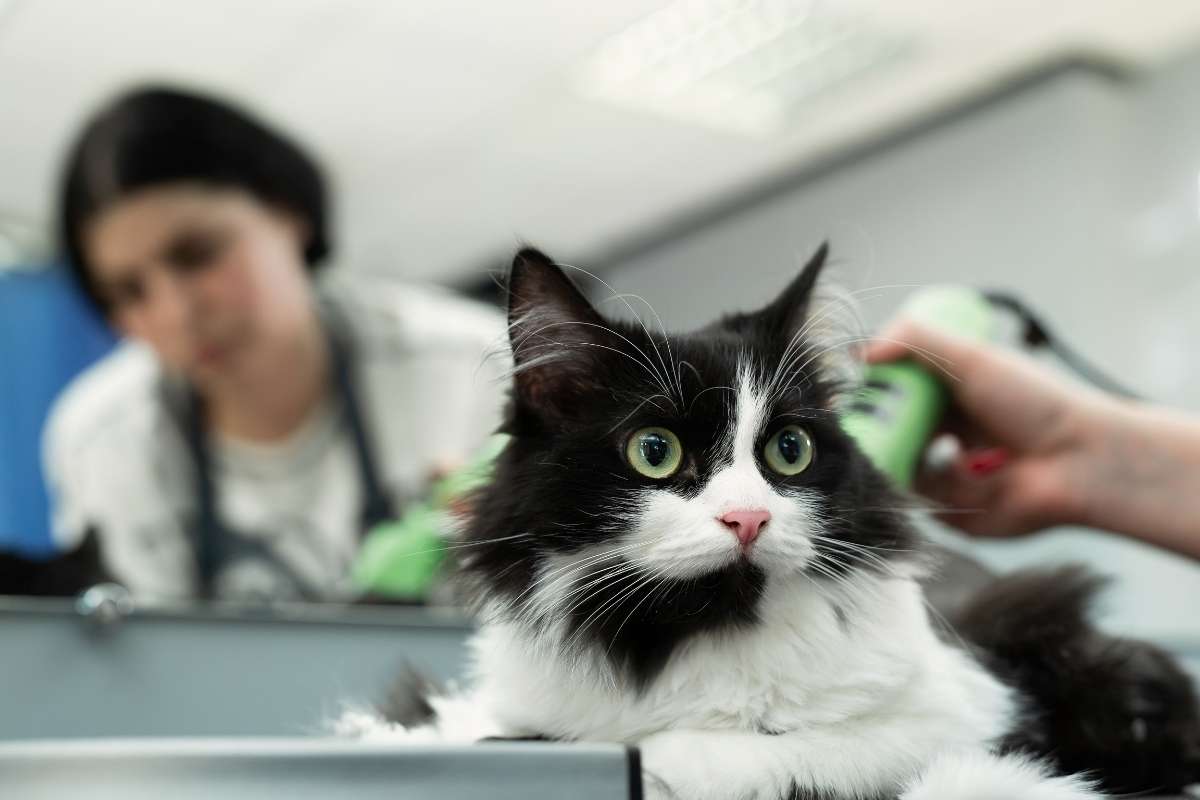
Unlike surgical procedures or medication-heavy treatment plans, laser therapy is painless and often relaxing for pets. Many dogs and cats become calmer during sessions because the treatment creates gentle warmth while stimulating circulation and cellular repair. Veterinarians commonly recommend it alongside rehabilitation plans, medication management, or recovery care.
At Park Grove Pet Hospital, pet owners often ask how laser therapy works and which conditions may benefit most from it. Understanding the symptoms commonly treated with this therapy can help families make informed decisions about their pet’s long-term wellness.
For pet families in Cottage Grove, MN, access to advanced veterinary treatment options can make a meaningful difference in supporting healthier, more active pets throughout every stage of life.
What Is Laser Light Therapy?
Laser light therapy, sometimes called cold laser therapy or low-level laser therapy, uses focused wavelengths of light to stimulate healing beneath the skin’s surface. The light energy encourages improved blood flow, decreases inflammation, and promotes tissue repair.
Veterinarians frequently use this therapy for pets dealing with chronic pain, soft tissue injuries, inflammation, or post-treatment recovery. Sessions are typically short, stress-free, and require no sedation.
1. Arthritis and Joint Stiffness
Arthritis is one of the most common conditions treated with laser therapy in both dogs and cats. Aging pets often experience joint inflammation that causes stiffness, limping, reluctance to climb stairs, or reduced activity levels.
Laser therapy can help by:
- Improving circulation around affected joints
- Reducing swelling and inflammation
- Supporting natural pain relief
- Increasing flexibility and mobility
Many pets begin showing improved comfort after several sessions, especially when therapy is combined with weight management and moderate exercise.
2. Muscle and Soft Tissue Injuries
Active pets can experience muscle strains, ligament injuries, or soreness after physical activity. Some injuries develop gradually, while others occur suddenly during running, jumping, or rough play.
Laser therapy is commonly recommended for:
- Sprains and strains
- Tendon inflammation
- Back discomfort
- Hip soreness
- Neck stiffness
The treatment encourages tissue regeneration while helping reduce pain naturally. Pets recovering from exercise-related injuries often regain mobility faster when laser sessions are included in their rehabilitation plans.
3. Post-Operative Pain and Swelling
Recovery after procedures can sometimes involve discomfort, swelling, and limited movement. Laser therapy is frequently used after dental work, orthopedic procedures, or pet surgery to support healing and improve recovery comfort.
Benefits during recovery may include:
- Reduced inflammation around incision sites
- Faster tissue repair
- Improved circulation
- Lower discomfort levels
- Better mobility during healing
Because laser therapy is non-invasive, many veterinarians use it alongside traditional recovery protocols to improve overall healing outcomes.
4. Chronic Ear and Skin Inflammation
Certain pets experience recurring skin irritation or chronic inflammation caused by allergies, infections, or environmental triggers. Persistent itching, redness, or irritated ears can significantly affect a pet’s quality of life.
Laser therapy may help calm inflamed tissues by reducing irritation and promoting skin healing. Conditions that may benefit include:
- Hot spots
- Dermatitis
- Inflamed wounds
- Ear inflammation
- Excessive licking or scratching
While therapy does not replace medical treatment for underlying causes, it can become an effective part of a broader care strategy.
5. Mobility Problems in Senior Pets
Senior pets often slow down gradually, making mobility changes easy to overlook. Difficulty standing, hesitation before jumping, or reduced enthusiasm during walks may indicate discomfort linked to aging joints or muscle weakness.
Laser light therapy can help older pets remain more comfortable and active by supporting circulation and easing chronic inflammation. Many pet owners notice improvements such as:
- Easier movement after resting
- Better stamina during walks
- Reduced limping
- Increased willingness to play
- Improved daily comfort
Since treatment sessions are gentle and stress-free, they are often well tolerated even by older pets with limited mobility.
How Many Sessions Do Pets Usually Need?
The number of laser therapy sessions depends on the condition being treated, symptom severity, and the pet’s overall health. Acute injuries may require only a few visits, while chronic conditions such as arthritis often benefit from ongoing maintenance sessions.
Veterinarians typically develop customized treatment plans based on the pet’s age, diagnosis, activity level, and response to therapy.
Signs Your Pet May Benefit From Laser Therapy
Pet owners should watch for symptoms that suggest pain, inflammation, or limited mobility. Some common warning signs include:
- Limping or stiffness
- Difficulty climbing stairs
- Reduced activity levels
- Sensitivity when touched
- Persistent licking of one area
- Trouble standing up
- Slow recovery after activity
Early treatment can help prevent worsening discomfort and support better long-term mobility.
Laser light therapy continues to play an important role in modern veterinary care because it offers a non-invasive option for reducing pain, supporting healing, and improving mobility in pets of all ages. From arthritis management to recovery support, this treatment can help improve comfort and overall quality of life when included in a comprehensive wellness plan.
If you’re in Cottage Grove, MN, and need guidance from a vet near you about whether laser therapy is right for your pet, schedule your appointment with Park Grove Pet Hospital. Their team can help create a personalized treatment approach designed to support your pet’s long-term health, comfort, and mobility.
Frequently Asked Questions
Q1. Is laser light therapy safe for pets?
Ans. Yes. Veterinary laser therapy is considered safe when performed by trained professionals using proper equipment and treatment settings.
Q2. Does laser therapy hurt?
Ans. No. Most pets experience little to no discomfort during treatment. Many pets relax during sessions because of the gentle warming sensation.
Q3. How long does each session take?
Ans. Sessions are usually short and may last between 5 and 20 minutes, depending on the treatment area.
Q4. Can cats receive laser therapy?
Ans. Absolutely. Cats with arthritis, injuries, or inflammatory conditions may also benefit from laser treatment.
Q5. Are there side effects?
Ans. Side effects are uncommon when therapy is performed correctly. Your veterinarian will determine whether your pet is a suitable candidate.
Q6. How soon can results appear?
Ans. Some pets show improvement after the first few sessions, while chronic conditions may require ongoing treatment before noticeable changes occur.