

Spaying is one of the most common surgical procedures performed for female dogs, and it plays an important role in preventing unwanted pregnancies while supporting long-term health. Even though the surgery is routine, many pet owners wonder how long recovery takes and what they should expect once their dog returns home.
The good news is that most healthy dogs recover well with proper post-operative care. However, every dog heals at a different pace depending on factors such as age, size, activity level, and overall health. Understanding the recovery timeline can help you provide the right care and recognize when your dog may need veterinary attention.
What Is Spay Surgery?
Spaying, also called an ovariohysterectomy, is a surgical procedure that removes a female dog’s ovaries and typically the uterus. Since the surgery requires general anesthesia and an abdominal incision, your dog will need time to heal both externally and internally.
Although many dogs appear to feel better within a few days, complete healing takes longer than most owners realize.
Typical Recovery Timeline After Spaying
First 24 Hours
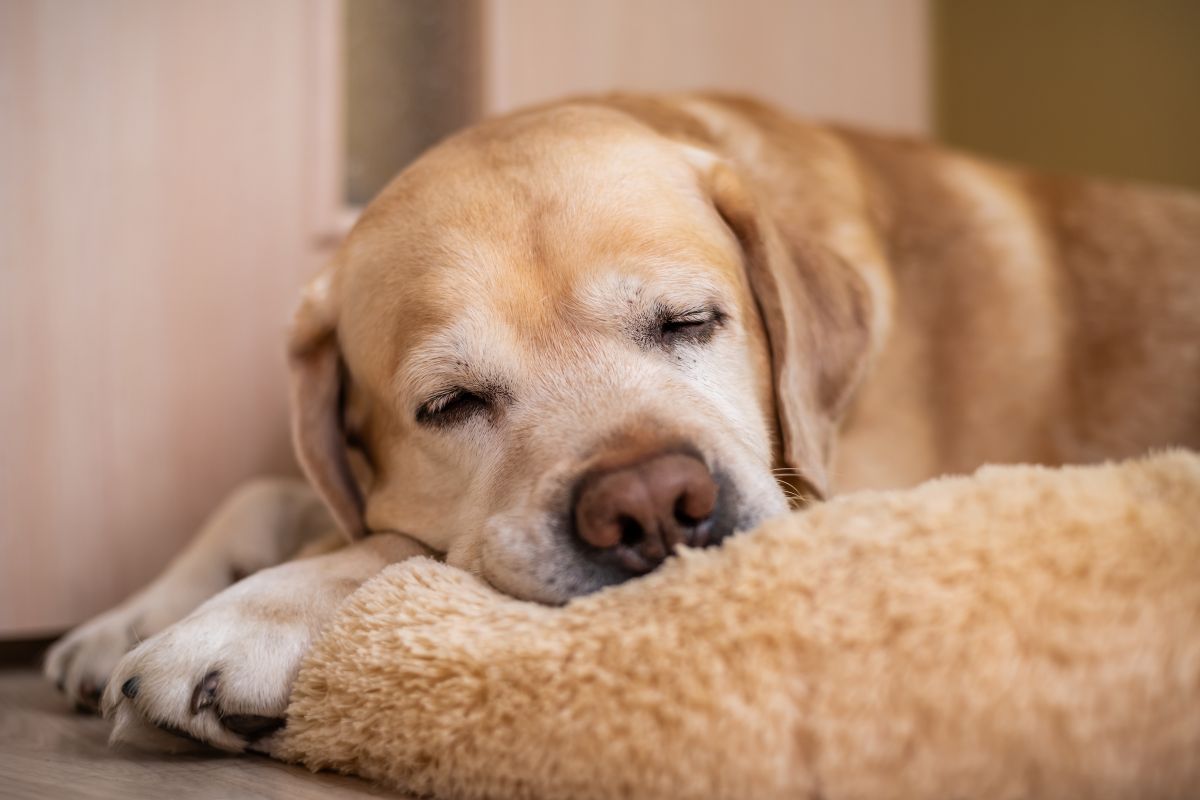
The first day after surgery is usually when your dog is the sleepiest. The lingering effects of anesthesia may cause:
- Drowsiness
- Reduced appetite
- Mild wobbliness while walking
- Quiet or withdrawn behavior
These signs are generally expected and should gradually improve by the following day. Offer fresh water and a small meal if recommended by your veterinarian.
Days 2 to 3
Many dogs begin acting more like themselves during this stage. You may notice:
- Increased appetite
- More interest in walking around
- Improved energy levels
- Less discomfort
Although your dog may seem ready to resume normal activities, the internal tissues are still healing. Limiting movement remains essential.
Days 4 to 7
During the first week, the incision should continue healing without excessive redness or swelling. Your dog may become increasingly playful, but exercise restrictions should remain in place.
Continue monitoring the incision daily for signs of infection or delayed healing.
Days 10 to 14
Most external healing occurs within two weeks. Many veterinarians schedule a follow-up appointment around this time to evaluate the incision and remove stitches if non-dissolvable sutures were used.
Once your veterinarian confirms proper healing, your dog can usually begin returning to normal activity gradually.
Full Internal Recovery
Although the skin may look completely healed after two weeks, the abdominal muscles and internal tissues often require additional time to regain full strength.
Most dogs achieve complete recovery within two to four weeks, depending on:
- Age
- Overall health
- Surgical technique
- Activity level
- Individual healing response
Following all discharge instructions helps reduce complications and supports a smooth recovery.
Factors That Affect Recovery Time
Not every female dog heals at the same speed. Several factors influence recovery.
Age
Young, healthy dogs often recover faster than senior pets because their tissues generally heal more efficiently.
Overall Health
Dogs with underlying medical conditions may need additional monitoring and a slightly longer recovery period.
Weight
Overweight dogs sometimes experience slower healing due to increased pressure on the surgical site.
Activity Level
Highly energetic dogs may be more likely to strain the incision if activity restrictions are not followed carefully.
Surgical Care
Proper pain management, wound care, and follow-up visits all contribute to successful healing. If you have questions about veterinary surgery, your veterinarian can explain what to expect before and after your dog’s procedure.
How to Help Your Dog Recover Comfortably
Your role during recovery is just as important as the surgery itself.
Restrict Physical Activity
Avoid:
- Running
- Jumping
- Playing fetch
- Climbing stairs excessively
- Rough play with other pets
Short leash walks for bathroom breaks are usually sufficient until your veterinarian approves increased activity.
Prevent Licking
Dogs naturally want to lick healing wounds, but this can introduce bacteria and damage the incision.
Use the recommended recovery collar or surgical recovery suit until your veterinarian advises otherwise.
Keep the Incision Clean
Inspect the incision every day.
A healthy incision typically appears:
- Clean
- Dry
- Slightly pink
Avoid applying ointments or cleaning products unless specifically instructed.
Give Medications Exactly as Directed
Pain medications and other prescribed medications should always be given according to your veterinarian’s instructions. Never substitute human pain medications, as many are toxic to dogs.
Provide a Quiet Recovery Area
A calm environment helps minimize unnecessary movement. Soft bedding, limited stairs, and reduced excitement can all promote healing.
What Is Normal During Recovery?
Many owners become concerned when their dog behaves differently after surgery. Some temporary changes are completely expected.
Normal recovery signs include:
- Mild tiredness
- Slight swelling around the incision
- Temporary decrease in appetite
- Sleeping more than usual
- Mild bruising near the incision
These signs generally improve each day.
When Should You Contact Your Veterinarian?
Although complications are uncommon, it’s important to know when something isn’t normal.
Contact your veterinarian promptly if you notice:
- Continuous bleeding
- Thick yellow or green discharge
- Opening of the incision
- Significant swelling
- Strong odor from the incision
- Persistent vomiting
- Refusal to eat for more than 24 hours
- Difficulty breathing
- Extreme lethargy
- Fever or signs of severe pain
Early treatment can prevent more serious complications.
If your pet is recovering from veterinary surgery Cottage Grove, following your veterinarian’s post-operative instructions and reporting concerns early helps support a safer recovery.
Can Dogs Return to Normal Life After Spaying?
Yes. Once fully healed, most dogs resume all of their regular activities without restrictions.
In addition to preventing unwanted litters, spaying offers several long-term health benefits, including:
- Eliminating the risk of uterine infections (pyometra)
- Greatly reducing the risk of mammary tumors when performed before certain heat cycles
- Preventing ovarian diseases
- Eliminating future heat cycles
These benefits make spaying an important preventive health procedure for many female dogs.
Recovery after spay surgery is usually straightforward when pet owners follow their veterinarian’s recommendations and closely monitor healing. While many female dogs begin acting normally within just a few days, complete internal recovery typically takes two to four weeks. Limiting activity, preventing licking, administering medications properly, and attending follow-up visits all contribute to a successful outcome.
If you’re in Cottage Grove, MN and need guidance from a vet near you about your dog’s spay procedure or recovery, contact us at Park Grove Pet Hospital. Our experienced team is committed to providing personalized care before, during, and after surgery to help your dog recover comfortably and safely.
FAQs
Q1. How long should my dog wear a cone after being spayed?
Ans: Most dogs should wear an Elizabethan collar or recovery cone for 10 to 14 days, or until your veterinarian confirms the incision has healed.
Q2. Is it normal for my dog to sleep a lot after spay surgery?
Ans: Yes. Increased sleepiness is common during the first 24 to 48 hours because of anesthesia and pain medications.
Q3. When can my dog start running or playing again?
Ans: Most dogs should avoid strenuous activity for at least 10 to 14 days. Your veterinarian will determine when normal exercise can safely resume.
Q4. What should the spay incision look like while healing?
Ans: The incision should remain clean, dry, and only mildly pink. Excessive redness, swelling, discharge, or a bad odor should be evaluated promptly.
Q5. Can my dog eat normally after being spayed?
Ans: Many dogs eat a smaller meal on the day of surgery and return to their normal appetite within 24 hours. Follow your veterinarian’s feeding recommendations.
Q6. When should I worry about my dog’s recovery after spaying?
Ans: Contact your veterinarian immediately if your dog develops severe swelling, continuous bleeding, persistent vomiting, refuses food for more than a day, opens the incision, or appears unusually weak or painful.