

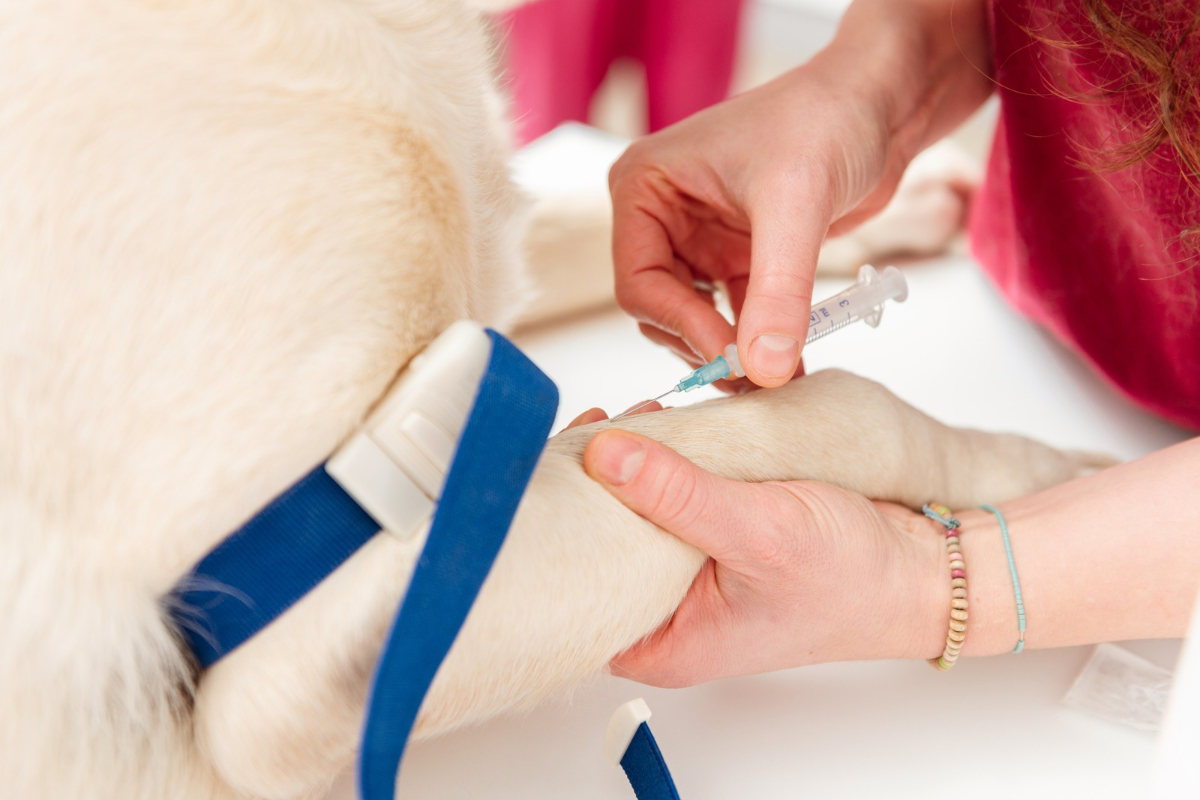
Blood tests are an important part of understanding your dog’s overall health. Even when a dog appears active and healthy, changes in blood cell counts, organ function, or metabolic levels may indicate underlying health concerns. Routine testing helps veterinarians identify potential problems, investigate unusual symptoms, and monitor existing medical conditions. Understanding these results can help pet owners make informed decisions about their dog’s veterinary diagnostic care.
At Park Grove Pet Hospital, laboratory testing plays an important role in evaluating pet health and identifying concerns that may not be visible during a physical examination. Two commonly recommended tests are the Complete Blood Count (CBC) and blood chemistry panel. Although they examine different aspects of health, together they provide valuable information about your dog’s internal condition.
What Is a Complete Blood Count (CBC) in Dogs?
A Complete Blood Count (CBC) measures the number and characteristics of different blood cells. It helps veterinarians evaluate your dog’s immune system, oxygen-carrying capacity, and ability to form blood clots.
A CBC generally examines three major components:
1. Red Blood Cells (RBCs)
Red blood cells transport oxygen throughout the body. Low red blood cell counts may indicate anemia caused by blood loss, chronic disease, or other medical conditions. Elevated levels may occur with dehydration.
2. White Blood Cells (WBCs)
White blood cells help the body fight infections and respond to inflammation. Abnormal counts may suggest infection, inflammation, immune-related conditions, or bone marrow disorders.
3. Platelets
Platelets help blood clot and control bleeding. Low platelet counts may increase bleeding risk, while unusually high counts can sometimes accompany inflammation or other conditions.
A CBC helps veterinarians identify abnormalities that may require additional testing or treatment.
What Does a Blood Chemistry Panel Reveal?
Unlike a CBC, a blood chemistry panel evaluates substances circulating in the bloodstream to assess organ function, metabolism, and electrolyte balance.
Common measurements include:
1. Kidney Function
Blood urea nitrogen (BUN) and creatinine help evaluate kidney function. Elevated levels may indicate reduced kidney filtration, dehydration, or other health concerns.
2. Liver Function
Liver-associated enzymes, including ALT and ALP, can indicate liver cell injury or changes associated with liver and biliary conditions. Additional testing may be needed to determine the underlying cause.
3. Blood Glucose
Glucose measures blood sugar levels. Abnormally high readings may suggest diabetes, while low levels can occur with certain metabolic or systemic conditions.
4. Protein Levels
Albumin and globulin provide information about protein balance, hydration, inflammation, and certain organ-related conditions.
5. Electrolytes
Sodium, potassium, and chloride help regulate hydration, nerve function, and muscle activity. Abnormal levels may occur with kidney disease, gastrointestinal problems, or hormonal disorders.
CBC vs. Blood Chemistry: What Is the Difference?
Both tests provide important health information, but they serve different purposes.
| Test | What It Evaluates |
| CBC | Red blood cells, white blood cells, and platelets |
| Blood chemistry | Kidney and liver markers, glucose, proteins, and electrolytes |
When interpreted together with a physical examination and medical history, these tests help veterinarians develop a more complete picture of your dog’s health.
When Does Your Dog Need Blood Testing?
Blood work may be recommended during routine wellness examinations or when a dog develops unusual symptoms.
Consider discussing testing with your veterinarian if your dog experiences:
- Unexplained weight loss or changes in appetite.
- Increased thirst or frequent urination.
- Vomiting or persistent diarrhea.
- Unusual tiredness or weakness.
- Changes in behavior or activity levels.
- Pale gums or unexplained bruising.
Blood work may also be recommended before surgery, when starting certain medications, or when monitoring chronic conditions.
Senior dogs may benefit from more frequent laboratory screening because age-related diseases can develop gradually without obvious symptoms.
How Are Dog Blood Test Results Interpreted?
Blood test results are compared with laboratory reference ranges, which represent values commonly observed in healthy animals. However, a result outside the reference range does not automatically mean your dog has a disease.
Veterinarians consider several factors when interpreting results:
- Your dog’s age, breed, and medical history.
- Current symptoms and physical examination findings.
- Whether multiple test values are abnormal.
- Changes compared with previous blood work.
- Medications, hydration, and recent health conditions.
Additional testing, such as urinalysis, imaging, or specialized laboratory screening, may be recommended to clarify unusual findings.
At Park Grove Pet Hospital, veterinary diagnostic care includes in-house laboratory testing to support timely evaluation and informed treatment decisions.
Understanding your dog’s CBC and blood chemistry results can help you recognize potential health concerns and make informed decisions about preventive screening. Regular examinations and appropriate laboratory testing allow veterinarians to monitor organ function, identify abnormalities, and recommend timely treatment. If you’re in Cottage Grove, MN, and looking for a vet near you for reliable diagnostic support, schedule your appointment with Park Grove Pet Hospital. Our team can help you understand your dog’s health needs and develop an appropriate testing plan.
FAQs:
Q1. How often should dogs get routine blood work?
Ans: Healthy adult dogs may benefit from annual screening, while senior dogs and pets with existing medical conditions may need testing every six months or as recommended by their veterinarian.
Q2. Does a CBC detect infections in dogs?
Ans: A CBC can identify changes in white blood cell counts that may accompany infections or inflammation. However, additional tests may be necessary to identify the specific cause.
Q3. Can blood tests detect kidney and liver disease in dogs?
Ans: Blood chemistry panels measure markers associated with kidney and liver function. Abnormal findings may indicate a problem and help determine whether further diagnostic testing is necessary.
Q4. Does my dog need to fast before blood work?
Ans: Some blood tests require fasting to improve result accuracy, while others do not. Follow your veterinarian’s instructions before the appointment.
Q5. How long does it take to receive dog blood test results?
Ans: In-house laboratory testing may provide results the same day. Specialized tests sent to external laboratories may take longer, depending on the test.
Q6. How does the veterinary team help interpret my dog’s blood test results?
Ans: The hospital offers in-house laboratory testing and comprehensive diagnostic evaluations. The veterinary team reviews laboratory findings alongside your dog’s symptoms and medical history to recommend appropriate next steps.