

Breathing problems in cats can develop suddenly or become noticeable through small changes in their everyday behavior. A cat that starts breathing faster, making unusual noises, or avoiding normal activities may be experiencing an underlying health issue. Because cats often hide signs of discomfort, recognizing these changes early is important.
At Park Grove Pet Hospital, we encourage pet owners to pay attention to changes in their cat’s breathing, posture, and activity level. Understanding the warning signs and knowing when to seek cat diagnostic care can help identify potential health concerns before they become more serious.
1. Recognize the Early Signs of Breathing Problems
Healthy cats generally breathe quietly and comfortably without visible effort. Changes in their normal breathing pattern may indicate respiratory or other medical problems.
Watch for these signs:
- Rapid breathing: Your cat’s chest may rise and fall more quickly than usual, even while resting.
- Open-mouth breathing: Cats generally breathe through their noses. Breathing with an open mouth, especially at rest, is a concerning sign.
- Noisy breathing: Wheezing, whistling, snoring sounds, or unusual respiratory noises may indicate an airway problem.
- Coughing or gagging: Repeated coughing can be associated with asthma, airway irritation, or other conditions.
- Abdominal effort: Noticeable movement of the belly while breathing may suggest that your cat is working harder to breathe.
- Unusual posture: A cat struggling to breathe may stretch its neck forward, hold its elbows away from its body, or avoid lying down.
Do not assume these signs are caused by hairballs or temporary irritation. Persistent or unusual breathing changes deserve veterinary attention.
2. Understand What Normal Cat Breathing Looks Like
Observing your cat while sleeping or resting quietly can help you recognize changes.
A typical resting respiratory rate for a healthy cat is approximately 15 to 30 breaths per minute. To count it, watch the chest rise and fall. One rise and fall counts as one breath. Count for 30 seconds and multiply by two.
A consistently elevated resting rate should be discussed with a veterinarian. A rate above 40 breaths per minute, particularly when accompanied by visible effort, needs prompt veterinary assessment.
Avoid counting immediately after play, exercise, stress, or exposure to heat, as these can temporarily affect breathing.
3. Common Causes of Breathing Problems in Cats
Breathing changes can have several possible causes. Some involve the respiratory system directly, while others affect the heart or blood.
Feline Asthma
Asthma causes inflammation and narrowing of the airways. Affected cats may cough, wheeze, breathe rapidly, or experience episodes of breathing difficulty.
Respiratory Infections
Viral or bacterial infections can affect the upper or lower respiratory tract. Sneezing, nasal discharge, coughing, reduced appetite, and breathing changes may occur.
Heart Disease
Certain heart conditions can contribute to fluid accumulation in or around the lungs, making normal breathing difficult. Increased breathing effort or a persistently elevated resting rate may be an early warning sign.
Fluid Around the Lungs
Pleural effusion occurs when fluid collects in the space surrounding the lungs. This can prevent the lungs from expanding normally and may cause rapid, shallow, or labored breathing.
Anemia
A reduced number of healthy red blood cells can limit oxygen delivery throughout the body. Some cats may develop weakness, pale gums, rapid breathing, or reduced activity.
4. When Should You Seek Veterinary Attention?
Some breathing symptoms require immediate attention rather than routine observation.
Contact a veterinarian promptly if your cat has persistent rapid breathing, repeated coughing, unusual respiratory sounds, or changes in normal activity.
Seek immediate veterinary care if you notice:
- Open-mouth breathing or panting at rest
- Blue, gray, or very pale gums
- Pronounced abdominal effort while breathing
- Collapse or extreme weakness
- Inability to settle or lie comfortably
- Severe or worsening breathing difficulty
Keep your cat calm, minimize handling, and arrange veterinary assessment immediately. Do not force food, water, or medication into your cat’s mouth. If breathing appears severely difficult, do not delay seeking care to count breaths or record a video.
5. How Do Veterinarians Diagnose Breathing Problems?
A veterinarian begins by reviewing your cat’s symptoms, medical history, and breathing pattern. A physical examination helps assess respiratory effort, heart sounds, gum color, and overall condition.
Depending on the findings, diagnostic testing may include:
- Chest X-rays: Help evaluate the lungs, heart size, and chest cavity for abnormalities.
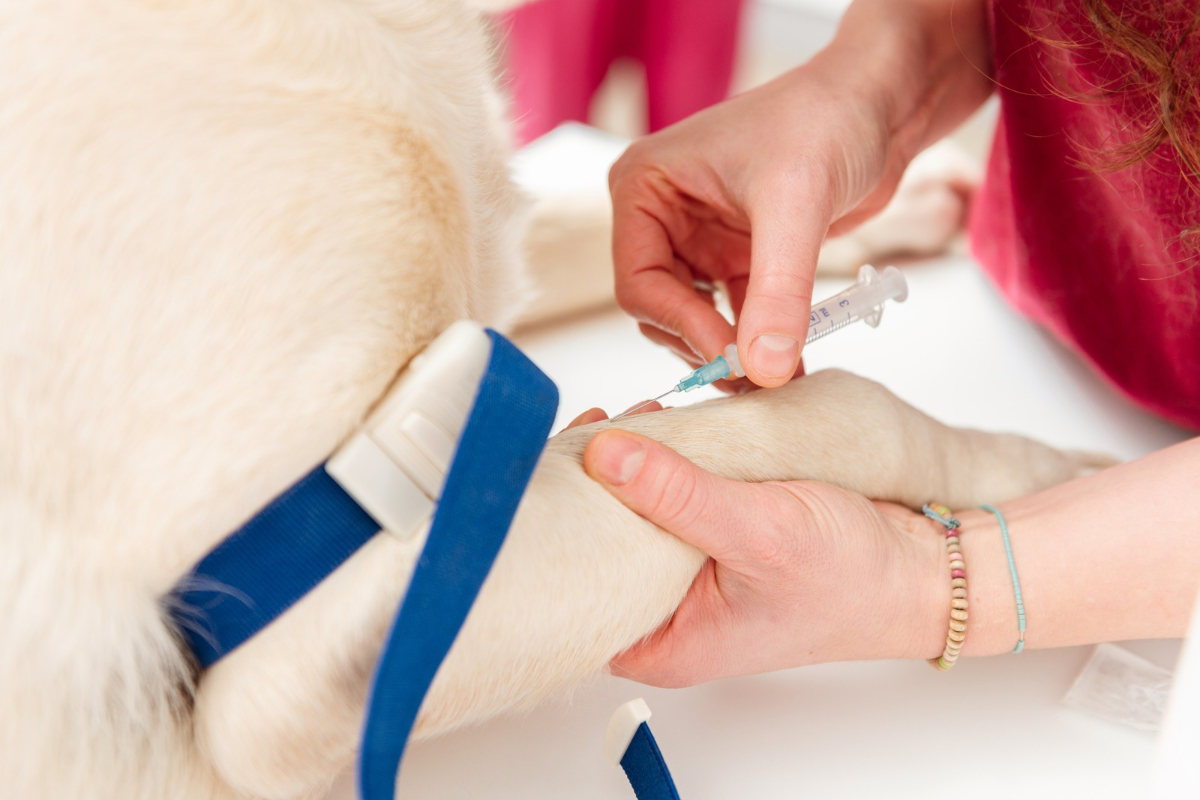
- Blood tests: A complete blood count and blood chemistry profile can help identify anemia, infection, and organ-related concerns.
- Oxygen assessment: Helps determine whether your cat is receiving enough oxygen.
- Ultrasound: May help evaluate fluid around the lungs or certain heart and chest abnormalities.
The recommended tests depend on your cat’s stability and symptoms. Cats with significant breathing difficulty may need oxygen support and stabilization before further testing.
6. Can Breathing Problems in Cats Be Prevented?
Not every respiratory condition can be prevented, but attentive care can help identify concerns earlier.
- Keep your cat away from cigarette smoke, dust, and strong chemical fumes.
- Avoid heavily scented sprays and cleaning products around your cat.
- Maintain regular veterinary wellness examinations.
- Monitor changes in sleeping, breathing rate, and activity.
- Keep vaccinations and preventive care current.
- Seek veterinary advice when coughing, wheezing, or rapid breathing persists.
Breathing changes in cats should never be ignored, particularly when they occur at rest or involve visible effort. Early recognition, timely veterinary assessment, and appropriate diagnostic testing can help identify the underlying cause and guide treatment.
If you are looking for a veterinary hospital near you in Cottage Grove, MN, contact Park Grove Pet Hospital to discuss concerning changes in your cat’s breathing. Schedule your appointment by calling 651-459-9663. Our team also welcomes pet owners from Woodbury, St. Paul Park, Hastings, Newport, and nearby communities.
Frequently Asked Questions
Q1. How can I tell if my cat is having trouble breathing?
Ans: Watch for rapid breathing, open-mouth breathing, wheezing, coughing, unusual abdominal movement, or a stretched-neck posture. These signs may indicate respiratory difficulty and should be assessed by a veterinarian.
Q2. Is it normal for cats to breathe with their mouths open?
Ans: No. Open-mouth breathing, especially while resting, is not normal for cats and may indicate serious respiratory distress. Seek immediate veterinary attention rather than waiting for the symptom to disappear.
Q3. Can asthma cause breathing problems in cats?
Ans: Yes. Feline asthma can cause airway inflammation and narrowing, resulting in coughing, wheezing, and breathing difficulty. A veterinarian can evaluate the symptoms and recommend appropriate diagnostic tests.
Q4. What tests can Park Grove Pet Hospital perform to investigate breathing problems in cats?
Ans: The hospital offers diagnostic testing that includes in-house laboratory work and digital X-rays. Depending on your cat’s symptoms, blood tests and chest imaging may help identify anemia, infection, lung abnormalities, or other possible causes.
Q5. Can chest X-rays help identify respiratory conditions in cats?
Ans: Yes. Chest X-rays can help veterinarians evaluate the lungs, heart size, and chest cavity. They may reveal signs of pneumonia, fluid accumulation, or other abnormalities that require further investigation.
Q6. When should I take my cat to a veterinarian for rapid breathing?
Ans: If your cat consistently breathes faster than normal while resting, contact a veterinarian promptly. Open-mouth breathing, blue or pale gums, collapse, or noticeable breathing effort require immediate veterinary attention.