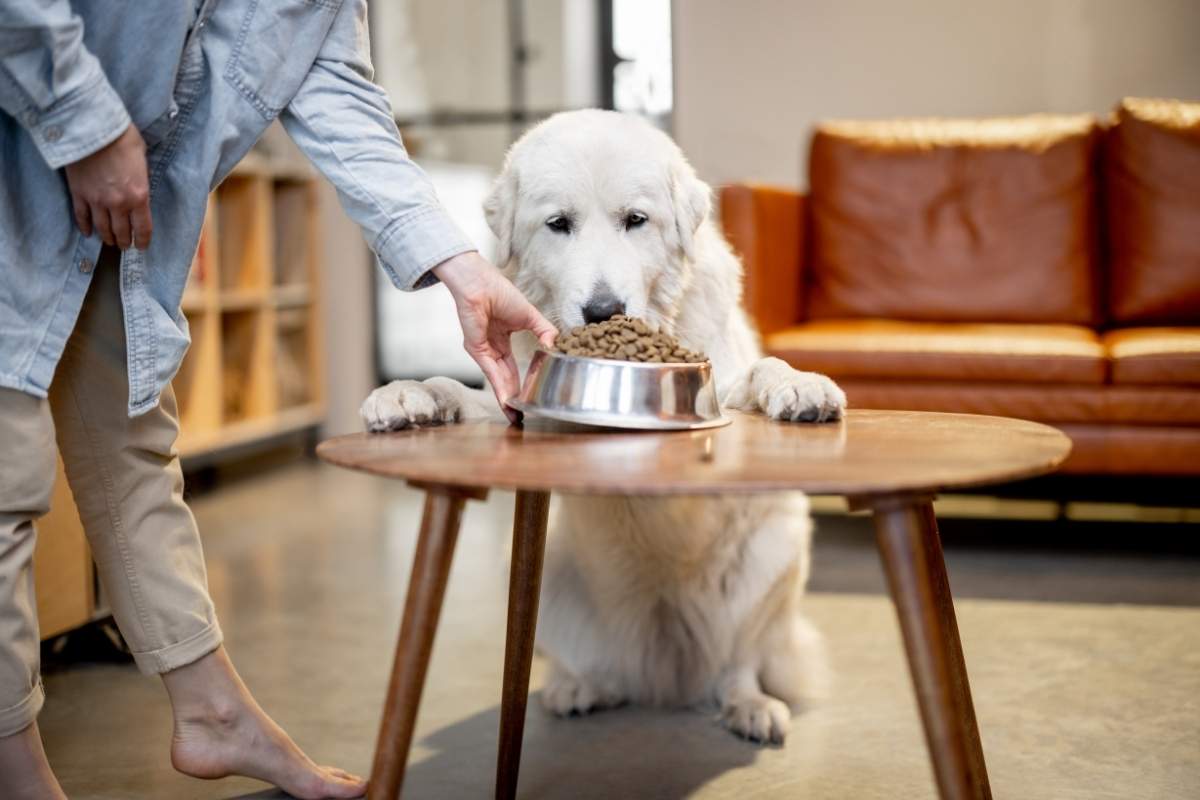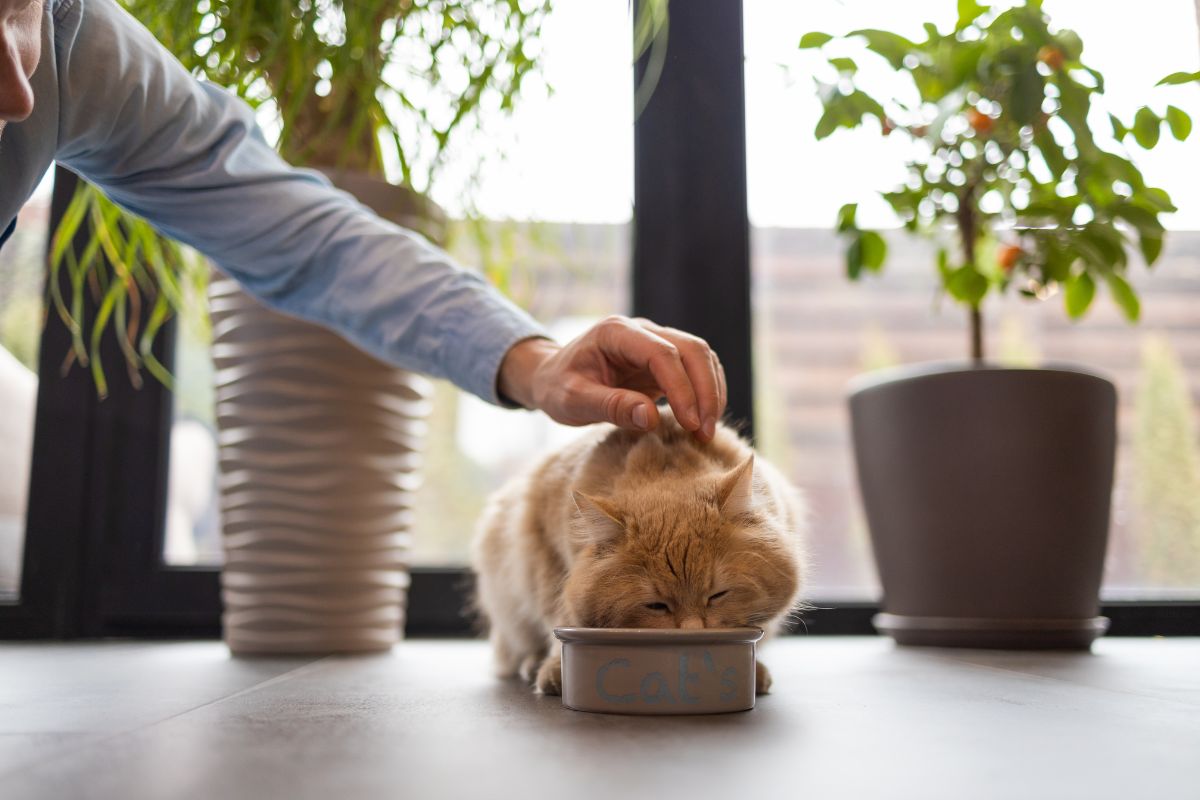


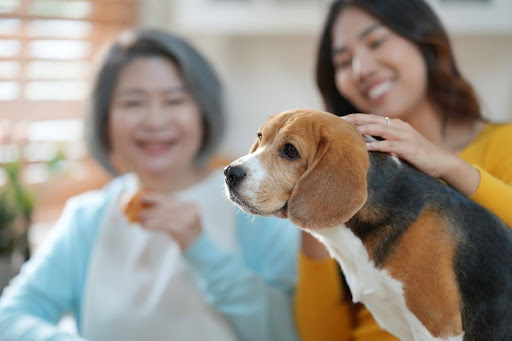
Caring for an elderly pet requires patience, observation, and a willingness to adjust everyday habits as your companion grows older. Dogs and cats can live well into their senior years, but aging often brings changes in mobility, appetite, sleep, senses, behavior, and overall health. As a result, the care that worked when your pet was young may no longer provide the same level of comfort and support.
Senior pets still want to enjoy their favorite activities, spend time with their families, and maintain a sense of independence. However, they may need shorter walks, softer bedding, easier access to food and water, and more frequent opportunities to rest. Small changes at home can make a significant difference in an older pet’s daily comfort.
At the same time, aging does not mean every new symptom should be considered normal. Weight loss, increased thirst, difficulty moving, changes in appetite, confusion, or unusual behavior can sometimes indicate an underlying medical problem. Therefore, owners should pay close attention to changes and discuss persistent concerns with a veterinarian.
A thoughtful senior pet care routine combines preventive veterinary visits, appropriate nutrition, safe exercise, dental care, mental stimulation, environmental adjustments, and regular monitoring. By taking a proactive approach, you can help your elderly pet remain comfortable and enjoy a better quality of life throughout their later years.
When Is a Pet Considered a Senior?
There is no single age at which every pet becomes a senior.
Dogs typically age at different rates depending on their size and breed. Smaller dogs often have longer lifespans, while larger dogs may experience age-related changes earlier.
Cats generally begin entering their senior years around the age of 7 to 10, although individual health and genetics play important roles.
Rather than focusing only on a specific birthday, watch for changes in your pet’s physical and behavioral needs.
Signs that your pet may be entering their senior years include:
- Sleeping more frequently
- Reduced energy
- Slower movement
- Difficulty jumping or climbing
- Changes in hearing or vision
- Weight changes
- Altered appetite
- Increased thirst
- Changes in grooming
- New behavioral patterns
These signs do not necessarily indicate disease, but they can help you recognize when your pet may benefit from additional support.
Schedule Regular Veterinary Examinations
Regular veterinary examinations become increasingly important as pets age.
Senior pets can develop health conditions that progress gradually. In some cases, early disease produces few noticeable symptoms at home.
During a wellness examination, your veterinarian can evaluate your pet’s:
- Weight and body condition
- Heart and lungs
- Teeth and gums
- Eyes and ears
- Skin and coat
- Mobility
- Abdomen
- Overall behavior
Depending on your pet’s age and health history, your veterinarian may also recommend bloodwork, urine testing, blood pressure monitoring, dental evaluation, or other diagnostic tests.
Regular visits also create a baseline for comparison. When veterinarians can compare current findings with previous results, they may identify subtle changes more easily.
Feed a Balanced, Age-Appropriate Diet
Nutrition plays an important role in healthy aging.
As pets grow older, their calorie requirements, activity levels, and nutritional needs can change. Some senior pets gain weight because they become less active, while others lose weight because of dental problems, illness, or reduced appetite.
Choose a complete and balanced diet appropriate for your pet’s life stage and health needs.
Your veterinarian may recommend a specialized diet if your pet has a condition affecting the kidneys, liver, heart, digestive system, joints, or metabolism.
Avoid making major dietary changes without professional guidance, particularly if your pet already has a medical condition.
Monitor Your Pet’s Weight
Regularly monitor your pet’s body condition and weight.
Both unexplained weight gain and weight loss deserve attention.
Weight loss can sometimes occur because of dental disease, gastrointestinal problems, metabolic disorders, or other health conditions. Similarly, excessive weight can place additional stress on aging joints and contribute to mobility problems.
Support Joint and Mobility Health
Stiffness and reduced mobility are common concerns in older pets.
Your pet may take longer to stand, hesitate before using stairs, or become reluctant to jump onto furniture.
Make daily movement easier by:
- Providing non-slip flooring
- Using ramps where appropriate
- Limiting difficult stairs
- Providing supportive bedding
- Keeping food and water easily accessible
- Maintaining a healthy body weight
Do not start supplements or medications without discussing them with your veterinarian. Some products may interact with existing medications or may not be appropriate for every pet.
Provide Gentle, Consistent Exercise
Older pets still need appropriate physical activity.
However, senior dogs and cats may not tolerate the same intensity they did when they were younger.
For dogs, consider shorter walks at a comfortable pace. Allow plenty of time for sniffing and exploration.
For cats, gentle interactive play can provide physical activity without excessive strain.
Watch for signs that your pet needs a break, including:
- Excessive panting
- Limping
- Reluctance to continue
- Sudden sitting or lying down
- Difficulty getting up
- Unusual fatigue
If these signs occur frequently, talk with your veterinarian about an appropriate exercise plan.
Make Your Home Senior-Pet Friendly
A few environmental changes can make an older pet’s life easier.
Improve Traction
Slippery floors can create challenges for pets with reduced strength or joint stiffness.
Place non-slip rugs or mats in areas where your pet frequently walks.
Create Easy Access
Keep food, water, bedding, and litter boxes in locations your pet can reach without climbing or navigating difficult surfaces.
Provide Comfortable Bedding
Older pets may benefit from supportive bedding that cushions pressure points.
Place beds in quiet, easily accessible areas where your pet can rest without being disturbed.
Use Ramps When Appropriate
If your pet has difficulty reaching furniture or navigating steps, a properly designed ramp may reduce unnecessary strain.
Always introduce ramps gradually and make sure they remain stable.
Pay Attention to Dental Health
Dental care remains important throughout a pet’s life.
Older pets may have accumulated dental plaque, tartar, gum inflammation, or other oral health problems.
Potential signs of dental disease include:
- Bad breath
- Difficulty chewing
- Dropping food
- Excessive drooling
- Red or swollen gums
- Reduced appetite
- Pawing at the mouth
Do not assume dental problems are simply part of aging.
Regular dental examinations can help identify oral health issues and determine whether professional dental cleaning or additional treatment is appropriate.
Monitor Vision and Hearing Changes
Aging can affect a pet’s senses.
Some older pets develop reduced hearing or vision, which can make familiar environments feel different.
You can help by keeping furniture in consistent locations and avoiding sudden changes to the home layout.
Approach an older pet calmly, especially if they have difficulty hearing.
If your pet suddenly appears disoriented, bumps into objects, becomes unusually startled, or struggles to navigate familiar areas, discuss the changes with your veterinarian.
Sudden sensory changes may have causes that require medical evaluation.
Maintain a Predictable Daily Routine
Consistency can help senior pets feel secure.
Try to maintain relatively predictable times for:
- Meals
- Bathroom breaks
- Walks
- Play
- Medication
- Rest
- Bedtime
A familiar routine makes it easier for you to notice changes as well.
For example, if your dog normally finishes breakfast but suddenly stops eating, you may recognize the difference quickly because you know their usual habits.
Provide Mental Stimulation
Older pets still need mental enrichment.
Mental stimulation can help prevent boredom and encourage natural behaviors.
For dogs, try:
- Sniffing walks
- Food puzzles
- Gentle training
- Scent games
- Safe interactive toys
For cats, consider:
- Interactive toys
- Puzzle feeders
- Window perches
- Scratching posts
- Short play sessions
- Safe opportunities to explore
Adjust enrichment activities to your pet’s physical abilities.
A senior dog with limited mobility may enjoy scent games more than vigorous games of fetch. Similarly, a senior cat that no longer jumps easily may prefer toys that remain close to the ground.
Watch for Changes in Behavior
Behavioral changes can provide important clues about your pet’s health.
Pay attention to:
- Increased hiding
- Irritability
- Restlessness
- Excessive vocalization
- Changes in sleep
- House-soiling
- Reduced interaction
- Increased clinginess
- Confusion
- Changes in grooming
These changes can have behavioral, environmental, or medical causes.
If a change is sudden, persistent, or accompanied by physical symptoms, contact your veterinarian.
Keep Your Pet Comfortable During Extreme Weather
Senior pets may have more difficulty regulating body temperature.
During hot weather, provide plenty of fresh water, shade, and access to a cool indoor area.
During cold weather, provide warm bedding and limit prolonged exposure to low temperatures.
Pets with arthritis or other mobility concerns may become particularly uncomfortable in cold conditions.
Your veterinarian can provide recommendations based on your pet’s age and health.
Continue Parasite Prevention
Older pets still need protection from parasites.
Fleas, ticks, heartworms, and intestinal parasites can affect pets at any age.
Your veterinarian can recommend preventive products based on your pet’s lifestyle, geographic area, health status, and exposure risks.
Do not discontinue preventive care simply because your pet spends less time outdoors.
Consider Your Pet’s Emotional Needs
Aging can sometimes change how pets respond to their environment.
An older pet may become less tolerant of loud noises, unfamiliar visitors, or excessive handling.
Give your pet access to quiet areas where they can retreat when they need rest.
Continue providing affection and companionship, but respect their boundaries.
Some senior pets prefer calm interactions rather than energetic play or prolonged handling.
Keep Track of Small Changes
One of the most useful things an owner can do is maintain awareness of everyday habits.
Consider keeping notes about:
- Appetite
- Water consumption
- Weight
- Medication
- Bathroom habits
- Mobility
- Sleep
- Activity
- Behavior
This information can help your veterinarian identify patterns that might otherwise be difficult to remember.
When Senior Pet Changes Need Veterinary Attention
Not every change requires an emergency visit, but persistent or sudden symptoms deserve professional attention.
Contact your veterinarian if your pet develops:
- Unexplained weight loss
- Significant appetite changes
- Increased thirst
- Increased urination
- Repeated vomiting
- Persistent diarrhea
- Difficulty breathing
- Sudden weakness
- Severe mobility problems
- Significant behavioral changes
- New lumps or swelling
- Signs of pain
Early evaluation can help identify potential problems and determine appropriate treatment.
Supporting Your Elderly Pet With Professional Care
After you have established a comfortable home routine, preventive veterinary care remains an essential part of supporting your aging companion. Park Grove Pet Hospital can help evaluate senior pets, monitor age-related changes, and recommend wellness strategies based on their individual health needs.
Regular professional evaluations can complement what you observe at home. Together, your observations and veterinary assessments can provide a more complete picture of your pet’s changing needs.
Caring for an elderly pet involves more than simply allowing them to rest more often. Senior dogs and cats benefit from appropriate nutrition, regular veterinary examinations, gentle exercise, dental care, mental enrichment, comfortable surroundings, and consistent routines.
Most importantly, learn your pet’s normal habits. When you understand how they usually eat, sleep, move, play, and interact, you can recognize changes more quickly.
Do not dismiss every new symptom as a normal part of aging. Some conditions can develop quietly, while others may become easier to manage when detected early.
With thoughtful adjustments and regular veterinary support, you can help your aging companion remain comfortable, engaged, and connected to the family.
If you are concerned about changes in your elderly pet’s health, schedule your appointment with Park Grove Pet Hospital to discuss their individual needs and develop an appropriate care plan.
Frequently Asked Questions
Q1. How do I take care of an elderly pet?
Ans: Provide an age-appropriate balanced diet, regular veterinary examinations, gentle exercise, comfortable bedding, dental care, mental enrichment, parasite prevention, and a safe home environment. Monitor your pet closely for changes in health or behavior.
Q2. How often should a senior pet see a veterinarian?
Ans: The appropriate schedule depends on your pet’s age, health, medical history, and individual risk factors. Some senior pets may benefit from more frequent examinations than younger animals. Your veterinarian can recommend an appropriate schedule.
Q3. What should I feed my elderly dog or cat?
Ans: Feed a complete and balanced diet appropriate for your pet’s life stage and health needs. Some senior pets may require specialized nutrition because of medical conditions. Ask your veterinarian before making major dietary changes.
Q4. Do older pets still need exercise?
Ans: Yes. Appropriate exercise can support mobility, muscle strength, mental stimulation, and overall well-being. However, senior pets often need gentler and shorter activities than younger animals.
Q5. What are common signs that an elderly pet may be sick?
Ans: Warning signs can include unexplained weight changes, appetite changes, increased thirst, increased urination, vomiting, diarrhea, reduced mobility, unusual behavior, excessive hiding, or changes in sleep. Persistent or sudden changes should be evaluated by a veterinarian.
Q6. How can I make my home safer for a senior pet?
Ans: Use non-slip rugs, provide supportive bedding, keep food and water easily accessible, reduce difficult stair use, maintain a predictable environment, and consider ramps when appropriate. Make changes based on your pet’s mobility and individual needs.