

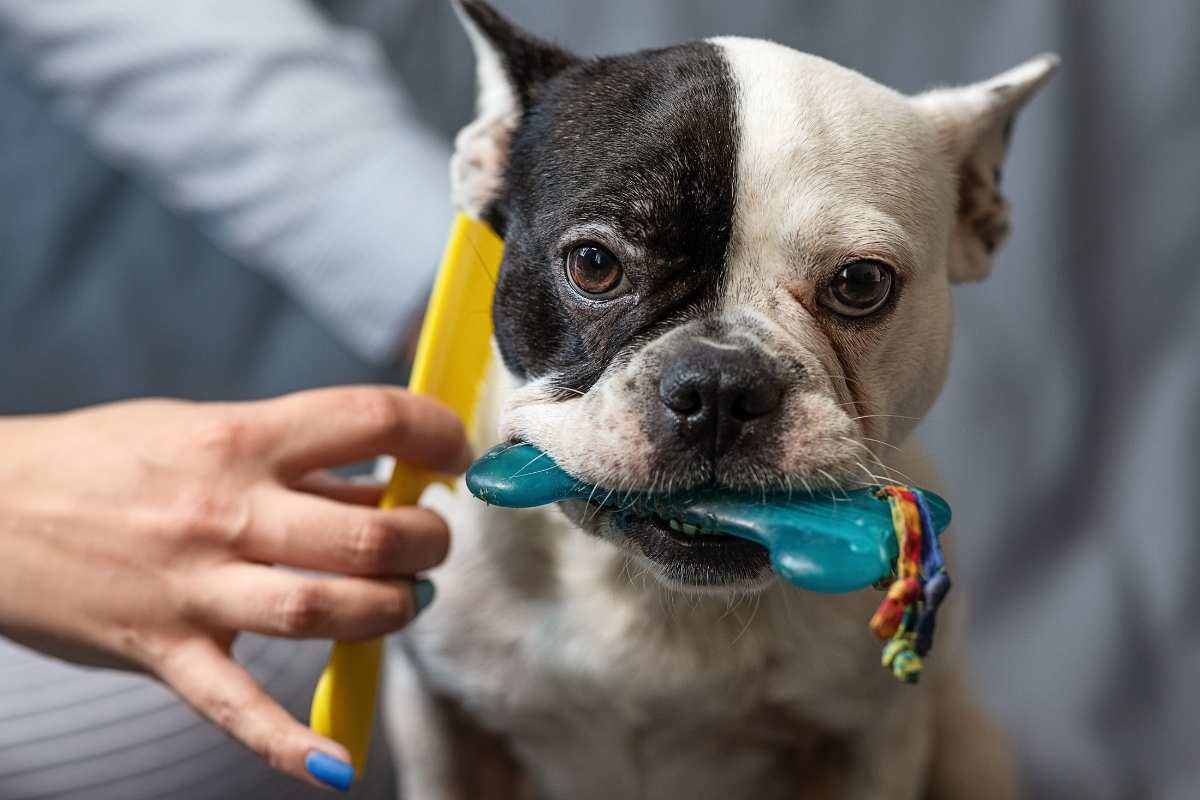
Keeping your dog’s teeth healthy is just as important as regular vet visits and a balanced diet. Dental health affects your dog’s overall well-being, including heart, kidney, and liver health. Using the right dental products for dogs can prevent plaque, tartar buildup, and bad breath, making veterinary care easier and your pup happier.
In this guide, we’ll cover vet-approved products, practical tips, and how to integrate dental care into your dog’s routine effectively.
Why Dental Health Matters for Dogs
Dental disease is one of the most common health issues in dogs. By the age of three, many dogs show signs of gum disease or tooth decay. Poor oral hygiene can lead to:
- Bad breath
- Tooth loss
- Pain or difficulty eating
- Systemic issues affecting the heart and kidneys
Regular use of the right dental products for dogs reduces these risks and keeps your furry friend comfortable and healthy.
Top Vet-Recommended Dental Products for Dogs
1. Dog Toothbrushes and Toothpaste
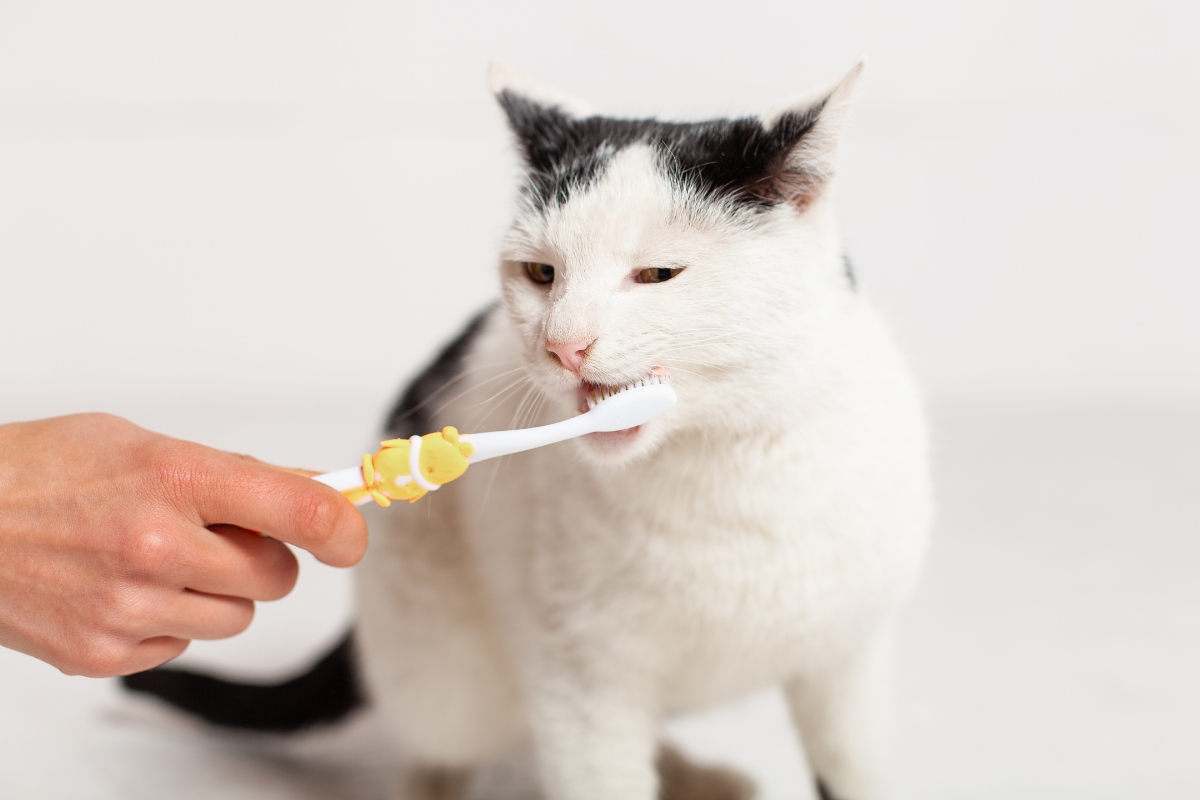
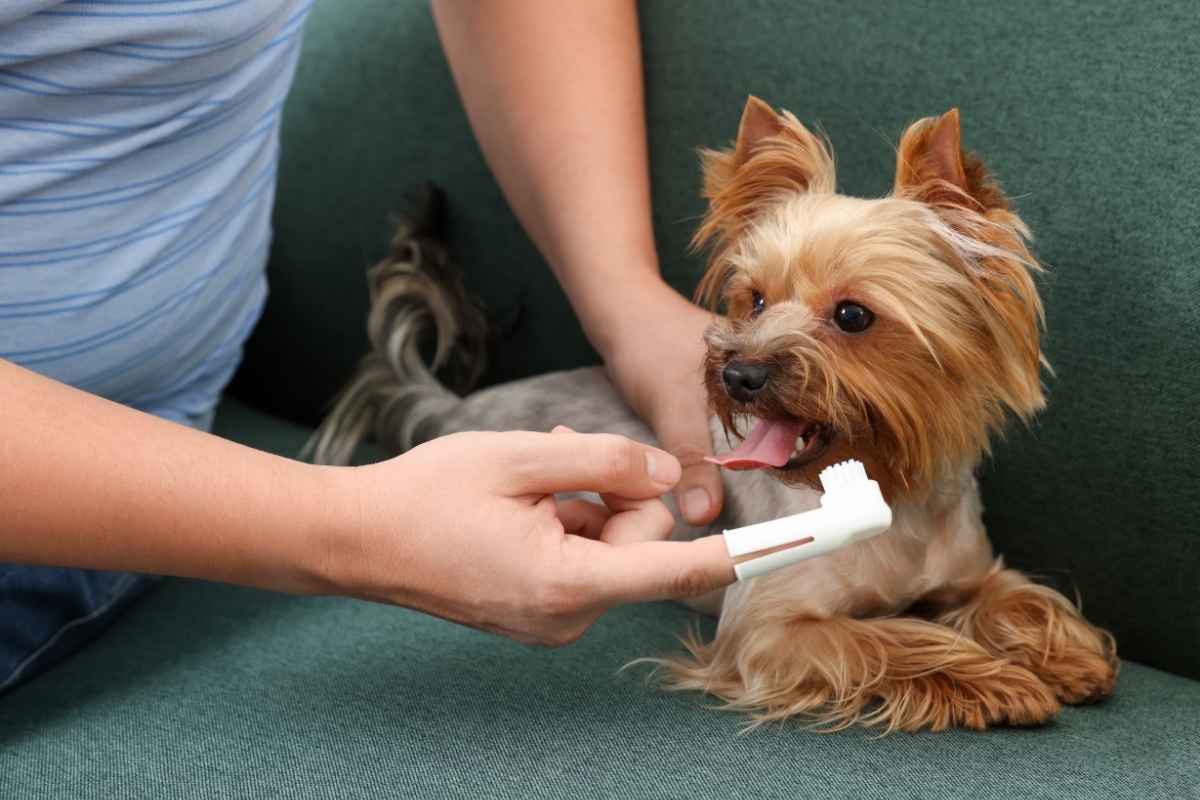
Just like humans, dogs need regular brushing. Use a soft-bristled toothbrush and dog-safe toothpaste (never human toothpaste). Brushing 2–3 times per week can dramatically reduce plaque buildup.
Tip: Make brushing a positive experience with treats and praise.
2. Dental Chews
Dental chews are an easy way to support oral health between brushings. Look for products approved by veterinary dental associations. Chews help:
- Reduce plaque and tartar
- Massage gums
- Provide a fun distraction while cleaning teeth naturally
3. Water Additives
Water additives can help reduce bacteria and prevent plaque. Simply add the recommended amount to your dog’s water bowl daily. These are especially useful for dogs that resist brushing.
4. Dental Toys
Chew toys designed for dental health provide entertainment and help scrape teeth naturally. Durable, vet-approved toys can keep teeth cleaner while satisfying your dog’s chewing instincts.
How to Choose the Right Dental Products
When selecting dental products for dogs, consider:
- Your dog’s size and breed
- Product safety and durability
- Veterinary endorsements or approvals
- Ingredients in chews and toothpaste
Always introduce new products gradually and monitor your dog for any reactions. Combining brushing, chews, and toys creates a comprehensive dental routine.
If you’re looking for professional guidance or veterinary dental services to complement home care, you can visit Park Grove Pet Hospital’s Pet Dental Services in Cottage Grove. Our team can recommend personalized dental care and product options for your dog.
Actionable Tips for Maintaining Your Dog’s Oral Health
- Start Early: Begin dental routines when your dog is a puppy. Early exposure makes brushing and chewing habits easier to maintain.
- Consistency Matters: Brush at least a few times per week and rotate dental chews and toys.
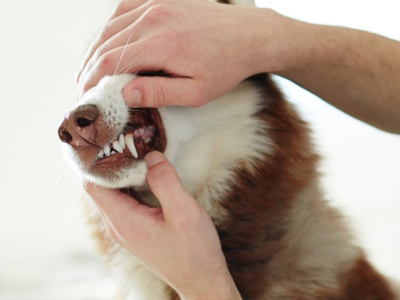
- Monitor Progress: Check your dog’s teeth and gums weekly for redness, swelling, or bad breath.
- Healthy Diet: A balanced diet can reduce the formation of plaque and tartar.
- Regular Vet Checkups: Schedule routine dental exams to catch problems early.
Maintaining your dog’s dental health is essential for their overall well-being. By using vet-approved dental products for dogs like toothbrushes, toothpaste, chews, water additives, and dental toys, you can prevent serious oral issues and improve your pup’s quality of life.
Start early, be consistent, and consult your veterinarian for guidance. Combining home dental care with professional support ensures your dog enjoys a healthy, happy smile for years to come.
FAQs:
Q1. How often should I brush my dog’s teeth?
Ans. Ideally, 2–3 times per week. Daily brushing is best, but even a few times per week helps reduce plaque and tartar.
Q2. Are dental chews enough for my dog’s oral care?
Ans. Dental chews support oral health but shouldn’t replace brushing. A combination of brushing, chews, and vet checkups is most effective.
Q3. Can water additives really help clean my dog’s teeth?
Ans. Yes, water additives reduce bacteria and plaque buildup, especially for dogs who resist brushing.
Q4. What ingredients should I avoid in dog toothpaste or chews?
Ans. Avoid xylitol, fluoride, and artificial sweeteners that are toxic to dogs. Always use vet-approved, dog-safe products.
Q5. How do I introduce brushing to a resistant dog?
Ans. Start slowly, using your finger first, then a toothbrush with treats. Positive reinforcement helps make brushing a routine.
Q6. How often should my dog get a professional dental cleaning?
Ans. Most dogs benefit from a veterinary dental cleaning once a year, though frequency may vary depending on breed, age, and oral health.