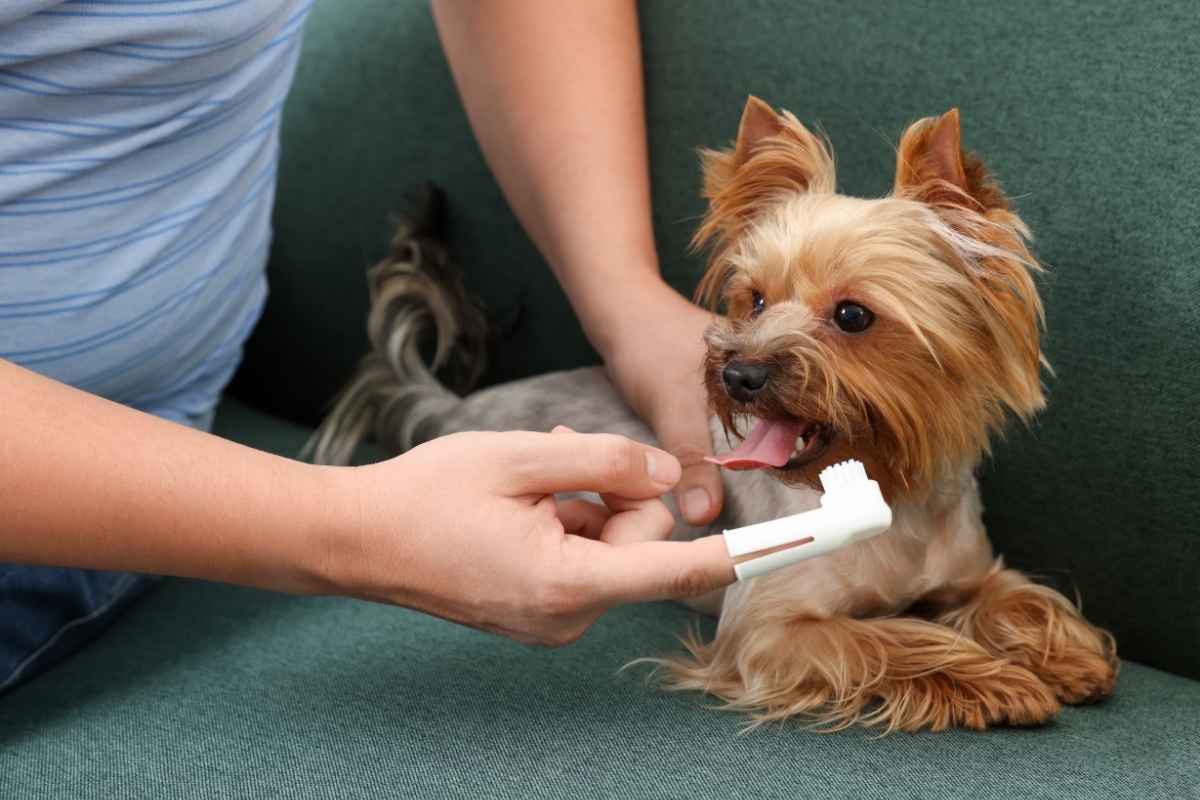


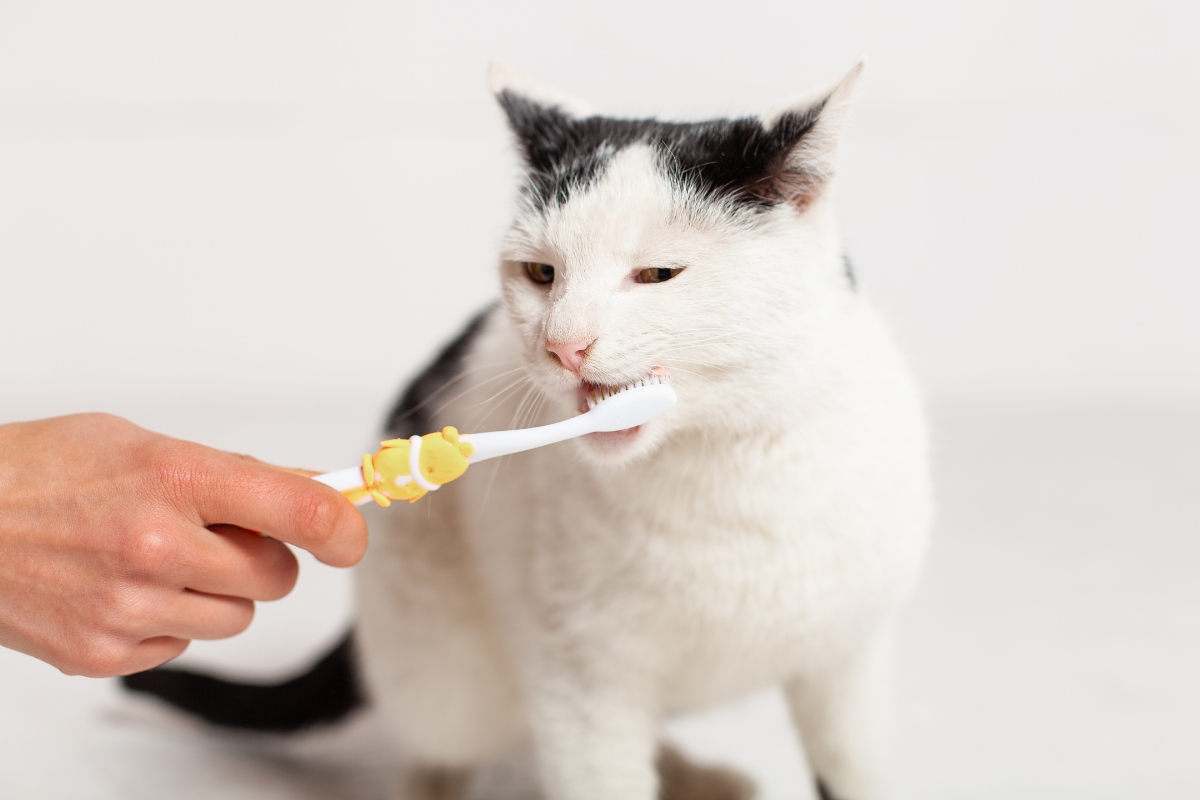
Brushing your cat’s teeth can feel challenging at first, especially if your cat dislikes having its mouth handled. However, with patience, consistency, and positive reinforcement, toothbrushing can become a manageable part of your pet’s routine. Starting slowly helps your cat understand that dental care does not have to be uncomfortable or frightening.
Good oral hygiene matters because plaque and bacteria can accumulate on the teeth and along the gumline. Over time, this buildup may contribute to bad breath, gum inflammation, dental pain, and other oral health problems. Therefore, teaching cats to accept regular brushing can support their comfort and overall well-being.
Why Positive Training Matters
Cats respond differently to handling, so forcing a toothbrush into your cat’s mouth can create fear and resistance. Instead, positive training uses small steps, rewards, and repetition to build trust.
The goal is not to complete a full brushing session on the first attempt. Rather, you want your cat to gradually become comfortable with having its face, lips, gums, and teeth touched. This approach makes the process less stressful for both you and your pet.
A consistent cat dental care routine can help remove plaque before it hardens into tartar. While professional veterinary examinations remain important, regular brushing at home can provide an additional layer of preventive support.
Start With Gentle Handling
Before introducing a toothbrush, allow your cat to become comfortable with gentle mouth handling. Choose a quiet time when your cat is relaxed. Slowly touch the side of the face, lift the lip for a moment, and then reward calm behavior.
Repeat this process for several days. Keep each session brief and end it before your cat becomes frustrated. Gradually increase the amount of time you spend touching the mouth.
If your cat pulls away, do not force the interaction. Give your pet a break and try again later. Building trust is more valuable than rushing through the training process.
Introduce the Toothpaste First
Once your cat accepts gentle mouth handling, introduce pet-safe toothpaste. Never use human toothpaste because some ingredients may be harmful to cats.
Place a small amount of cat toothpaste on your finger and allow your cat to smell or taste it. Many pet-specific toothpastes come in flavors designed to make them more appealing.
Reward your cat after each positive interaction. Over time, your cat may begin to associate the toothpaste with treats, praise, and other pleasant experiences.
Gradually Introduce the Toothbrush
After your cat accepts the toothpaste, introduce a soft-bristled pet toothbrush or a brush specifically designed for cats. Let your cat inspect and smell it before attempting to brush.
Next, gently touch the toothbrush to the outside of the teeth. Focus on the areas where the teeth meet the gums because plaque commonly accumulates along the gumline.
Initially, brush only one or two teeth. Then stop, offer a reward, and end the session. As your cat becomes more comfortable, gradually increase the number of teeth you brush.
Keep Sessions Short and Positive
Short sessions are usually more effective than lengthy attempts. Even a few seconds of successful brushing can represent meaningful progress during the early stages.
Choose a consistent time of day when your cat tends to be calm. For example, brushing after a relaxed play session may work better than trying immediately after your cat wakes up or becomes excited.
Additionally, use the same gentle movements each time. Predictability can help your cat understand what to expect.
Watch Your Cat’s Body Language
Your cat’s body language can tell you when to continue and when to stop. Relaxed posture, normal breathing, and willingness to accept treats generally indicate that your cat is tolerating the process.
On the other hand, flattened ears, rapid tail movement, growling, hissing, struggling, or repeated attempts to escape can signal stress. When these behaviors appear, pause the session and give your cat space.
Never punish a cat for resisting toothbrushing. Punishment can increase fear and make future training more difficult.
Build a Consistent Dental Routine
Once your cat accepts brushing, consistency becomes important. Ideally, brush regularly according to your veterinarian’s recommendations. However, do not become discouraged if you cannot immediately achieve a perfect routine.
Even gradual improvement can help. Continue using rewards, keep sessions predictable, and increase brushing time only when your cat remains comfortable.
Professional dental evaluations also remain important because brushing alone cannot address every dental problem. A veterinarian can check for gum inflammation, damaged teeth, tartar, oral pain, and other concerns that may require professional treatment.
When to Seek Professional Dental Advice
Certain signs should not be ignored. Persistent bad breath, drooling, difficulty eating, dropping food, pawing at the mouth, swollen gums, bleeding, or changes in appetite may indicate an oral health problem.
At Park Grove Pet Hospital, a veterinary professional can evaluate your cat’s oral health and help you develop an appropriate home dental routine when needed.
Remember that cats often hide discomfort, so subtle changes in eating habits or behavior can deserve attention. Early evaluation may help identify dental problems before they become more advanced.
Stress-free toothbrushing starts with patience rather than perfection. By introducing mouth handling, toothpaste, and brushing gradually, you can help your cat develop a more positive association with dental care.
Keep sessions short, reward cooperation, respect your cat’s boundaries, and maintain regular professional dental evaluations. With consistency, toothbrushing can become a familiar part of your cat’s wellness routine.
Schedule your appointment with Park Grove Pet Hospital to discuss your cat’s oral health and preventive dental needs.
Frequently Asked Questions
Q1. At what age should I start brushing my cat’s teeth?
Ans: You can begin introducing gentle mouth handling when your cat is young. However, cats of any age can gradually learn to tolerate toothbrushing through patient, positive training.
Q2. Can I use human toothpaste for my cat?
Ans: No. Use toothpaste specifically formulated for pets. Human toothpaste may contain ingredients that are unsafe for cats if swallowed.
Q3. What should I do if my cat refuses the toothbrush?
Ans: Go back a step. Allow your cat to become comfortable with mouth handling or toothpaste before reintroducing the toothbrush. Reward calm behavior and avoid forcing the process.
Q4. How long should a cat toothbrushing session last?
Ans: Early sessions may last only a few seconds. As your cat becomes comfortable, you can gradually increase the duration while keeping the experience calm and positive.
Q5. Does brushing replace professional dental care?
Ans: No. Home brushing helps support daily oral hygiene, but professional examinations allow veterinary professionals to identify problems that may not be visible at home.
Q6. What are signs that my cat may have a dental problem?
Ans: Bad breath, red or swollen gums, drooling, difficulty eating, pawing at the mouth, dropping food, or changes in appetite can indicate a dental concern and should be evaluated by a veterinarian.