

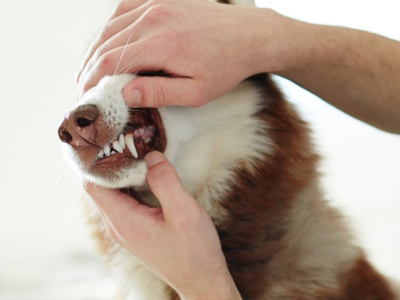
Just like humans, our pets need regular dental care to stay healthy and happy. Poor oral hygiene can lead to tartar buildup, gum disease, and even heart or kidney issues over time. One of the easiest ways to prevent these problems is by using toothpastes for dogs and cats specifically designed for their needs.
Many pet owners don’t realize that human toothpaste is unsafe for animals—it contains ingredients like fluoride and xylitol, which can be toxic. The right pet toothpaste makes brushing safer, tastier, and more effective. Let’s explore how to choose the best one and what to look for to protect your furry friend’s smile.
Understanding the Importance of Pet Oral Care
Dental disease is one of the most common health issues among pets. Studies show that nearly 80% of dogs and 70% of cats show signs of oral disease by age three. Brushing your pet’s teeth with vet-approved toothpastes for dogs and cats is the best preventive step you can take to avoid costly dental procedures later.
Proper oral care helps:
- Prevent plaque and tartar buildup
- Reduce bad breath
- Protect gums from inflammation
- Support overall organ health
What Makes Toothpastes for Dogs and Cats Different?
Pet toothpastes are formulated to be both safe and appealing. They use pet-friendly flavors like poultry, beef, or seafood—making brushing time something your pet might actually enjoy!
Here’s what sets them apart from human toothpaste:
- No harmful chemicals: Free from fluoride, xylitol, or foaming agents.
- Enzymatic formulas: Break down plaque and bacteria naturally.
- Flavor options: Encourage pets to cooperate with brushing.
The best toothpastes for dogs and cats are not only clean but also promote fresh breath and long-term oral wellness.
Top Ingredients to Look For in Pet Toothpaste
When shopping for your pet’s toothpaste, always check the ingredients. Look for these safe, effective components:
- Enzymes (glucose oxidase, lactoperoxidase): Help control plaque-causing bacteria.
- Abrasives (silica or calcium carbonate): Gently polish teeth without damaging enamel.
- Natural flavors: Poultry, peanut butter, or fish to appeal to pets.
- Aloe vera or chamomile: Soothes gums and reduces inflammation.
Avoid any paste that contains alcohol, fluoride, or artificial sweeteners. These are harmful to pets—even in small amounts.
Best Toothpastes for Dogs
For dogs, pick a toothpaste based on taste and cleaning power. Some excellent options include:
- Virbac C.E.T. Enzymatic Dog Toothpaste: Vet-approved and available in poultry flavor.
- Petsmile Professional Dog Toothpaste: The only ADA-approved pet toothpaste, fluoride-free and safe to swallow.
- Arm & Hammer Enzymatic Dog Toothpaste: Uses baking soda for natural whitening and odor control.
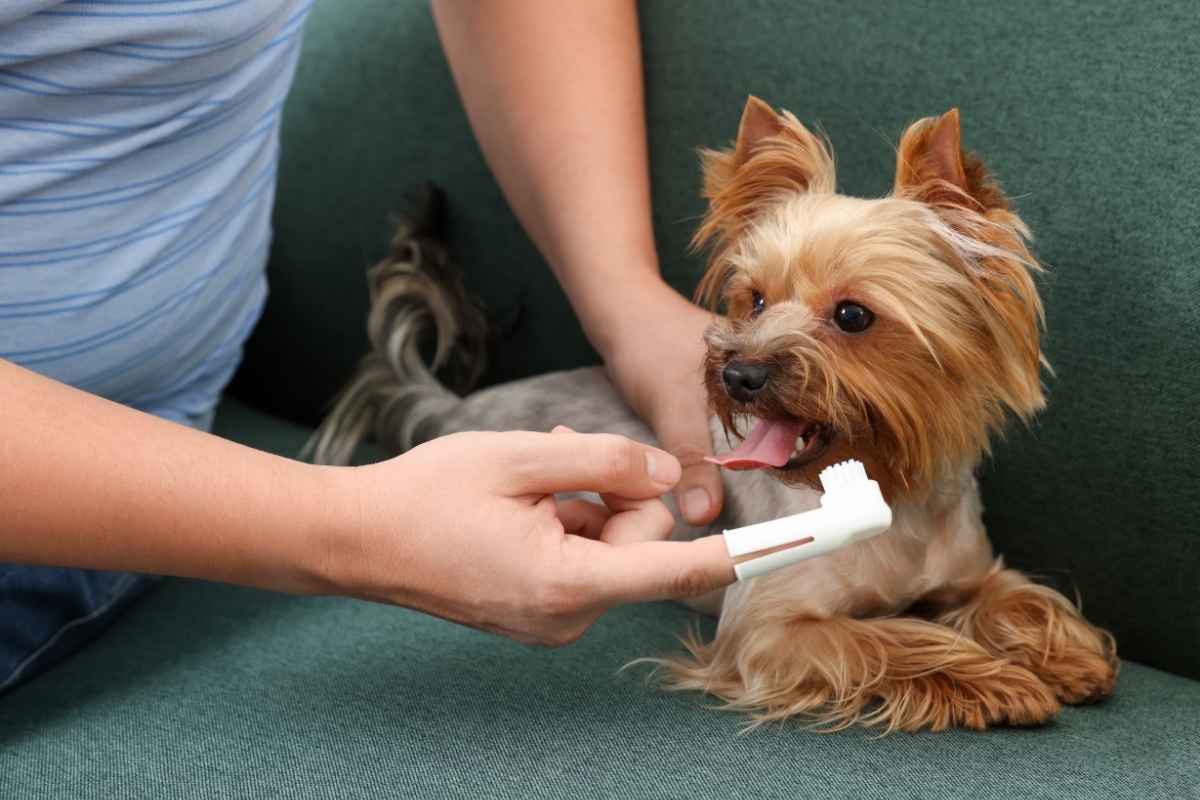
Pair these with a soft-bristled pet toothbrush or a finger brush for the best results.
Best Toothpastes for Cats
Cats can be trickier when it comes to dental care, but the right toothpaste can make it easier:
- Virbac C.E.T. Enzymatic Cat Toothpaste: A trusted favorite with seafood or poultry flavors.
- TropiClean Fresh Breath Gel: A water-based formula that’s great for cats who dislike brushing.
- Vet’s Best Enzymatic Gel Toothpaste: Combines aloe and neem oil for gentle gum care.
Consistency is key—try brushing your cat’s teeth 2–3 times a week for noticeable results.
When to Consult a Professional
If your pet shows signs of bleeding gums, strong odor, or difficulty eating, it’s time for a dental check-up. Professional cleaning may be necessary to remove built-up tartar and examine for hidden oral issues.
For expert veterinarian pet dental care in Cottage Grove, professional guidance ensures your pet’s mouth stays healthy for years. Early dental care can prevent painful infections and help save teeth before problems become serious.
If you’re in the area and seeking a trusted team, Park Grove Pet Hospital offers comprehensive dental services and personalized recommendations for home care routines tailored to your pet’s needs.
Tips for Brushing Success at Home
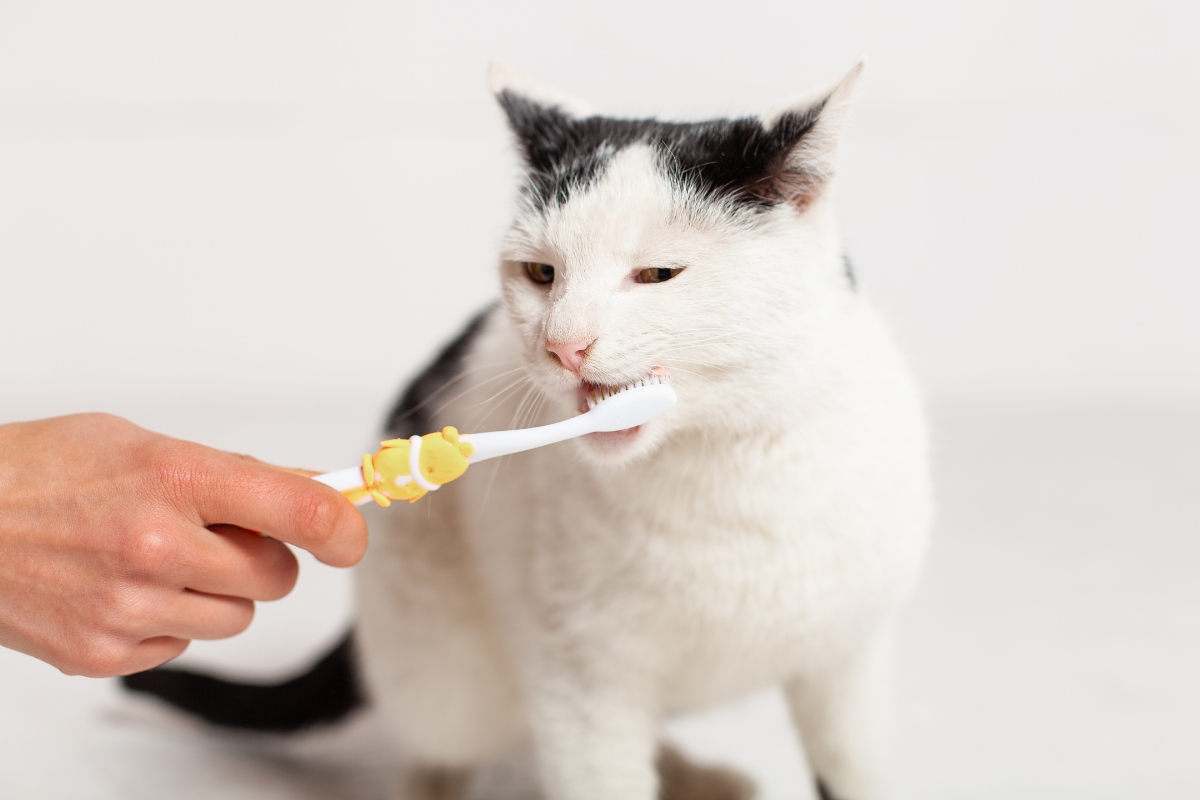
Brushing your pet’s teeth doesn’t have to be stressful! Follow these steps for smoother brushing sessions:
- Start slowly: Let your pet taste the toothpaste before brushing.
- Use a soft brush: Pet toothbrushes or finger brushes are gentler on gums.
- Choose the right moment: Brush when your pet is calm or after playtime.
- Reward after brushing: Offer praise, affection, or a small treat afterward.
- Be consistent: Daily brushing is ideal, but 3–4 times weekly still offers major benefits.
Regular brushing keeps your pet’s teeth sparkling and helps avoid future visits to the animal hospital in cottage grove for advanced dental issues.
Good dental hygiene is one of the easiest ways to enhance your pet’s overall health and comfort. Choosing the right toothpastes for dogs and cats ensures safety, effectiveness, and a happier brushing experience. Combine daily brushing with regular checkups to keep those tails wagging and whiskers smiling!
Frequently Asked Questions:
Q: Can I use human toothpaste for my pet?
A: Never. Human toothpaste contains fluoride and xylitol, which are toxic to dogs and cats.
Q: How often should I brush my pet’s teeth?
A: Ideally daily, but at least 3–4 times per week to maintain healthy gums and reduce tartar buildup.
Q: What’s the best flavor for picky pets?
A: Poultry or beef flavors tend to appeal to most dogs, while seafood is often preferred by cats.
Q: My pet hates brushing—what should I do?
A: Try water additives or dental wipes as a temporary alternative, but gradually reintroduce brushing for the best long-term results.
Q: When should I schedule a dental cleaning?
A: Once a year for most pets, or every six months for breeds prone to dental issues.
Q: Can dental chews replace toothpaste?
A: No. Chews help, but toothpaste is necessary to remove bacteria and maintain full oral hygiene.