

Maintaining your pet’s oral health is just as important as routine checkups and proper nutrition. Dental disease is one of the most common health issues in dogs and cats, and it often goes unnoticed until it becomes serious. Fortunately, with consistent at-home care and guidance from your veterinarian, you can significantly reduce the risk of dental problems and keep your pet comfortable and healthy.
In this guide, we’ll explore practical, vet-approved tips for maintaining your pet’s dental hygiene at home, along with strategies to prevent long-term complications.
Why At-Home Dental Care Matters
Plaque and tartar can begin to build up on your pet’s teeth within days. Without regular cleaning, this buildup can lead to gum disease, tooth decay, bad breath, and even infections that affect major organs like the heart and kidneys.
Consistent at-home dental care helps:
- Prevent plaque and tartar buildup
- Reduce the risk of periodontal disease
- Eliminate bad breath
- Improve your pet’s overall health and comfort
1. Brush Your Pet’s Teeth Regularly
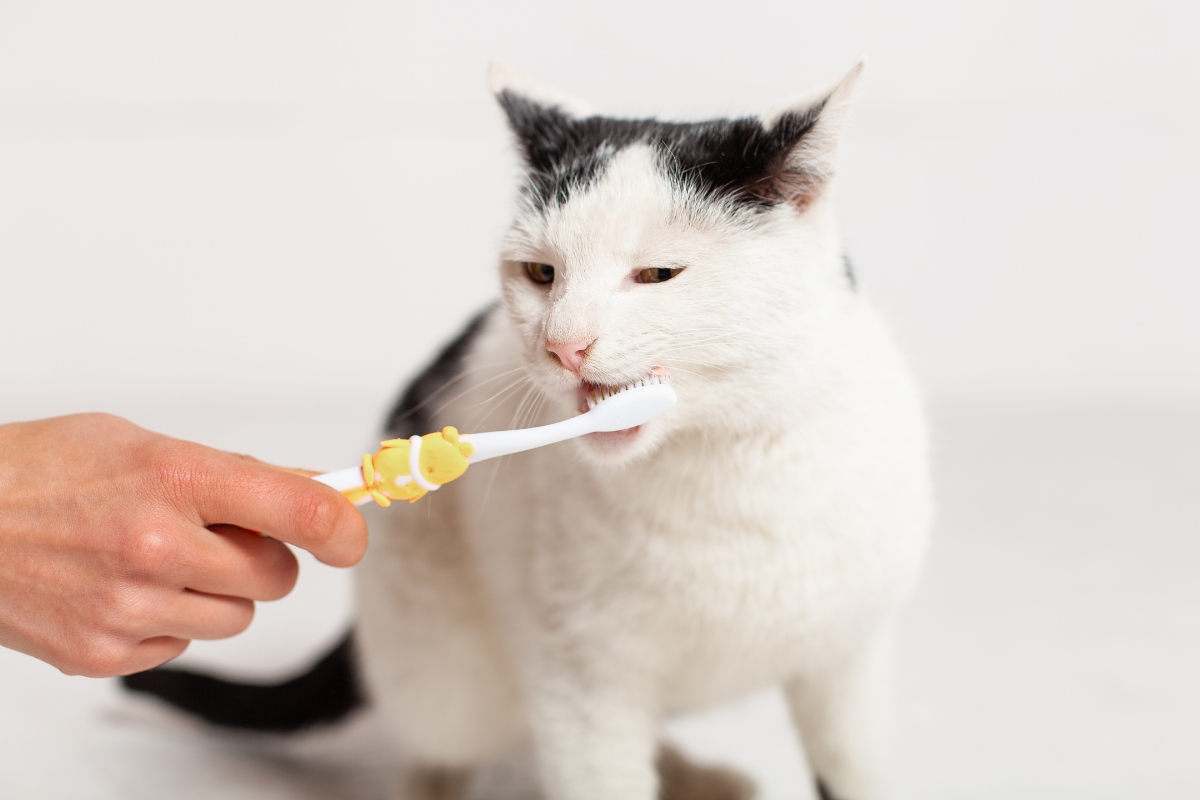
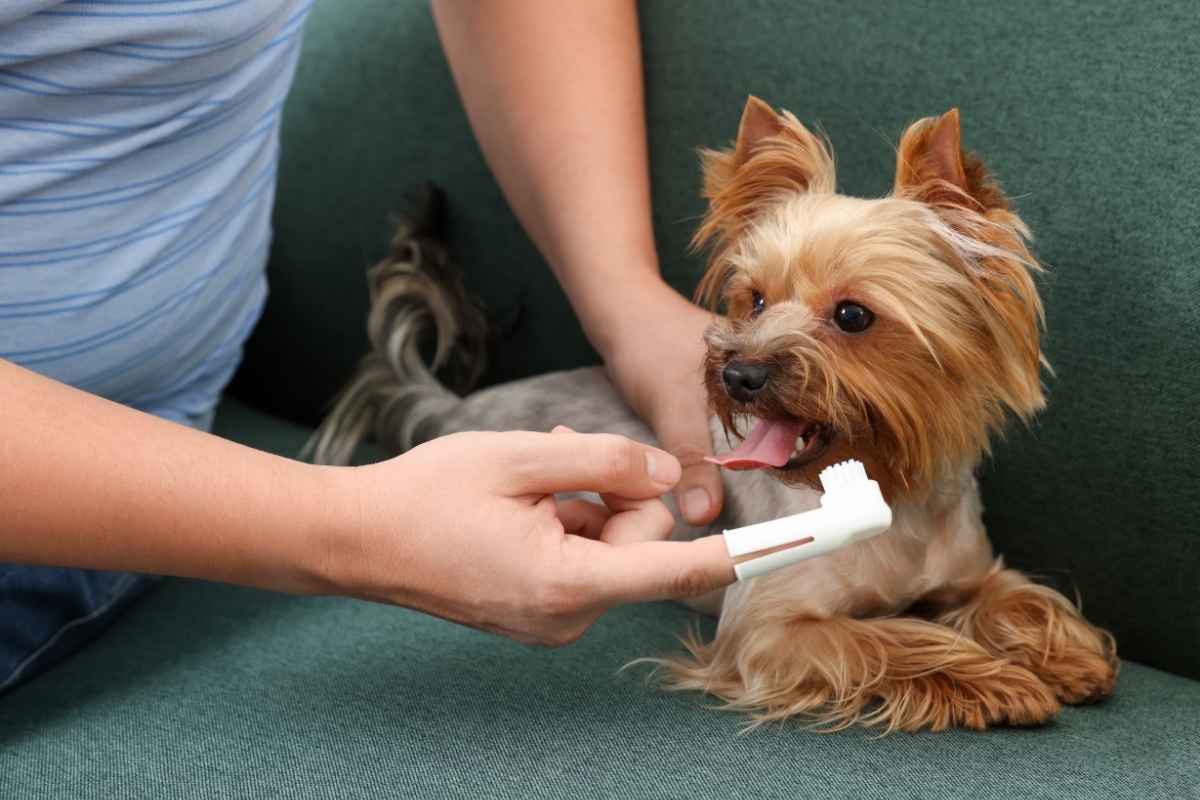
Brushing is the most effective way to maintain oral hygiene at home. Ideally, you should brush your pet’s teeth daily, but even a few times a week can make a difference.
Tips for success:
- Use a pet-specific toothbrush and toothpaste (never human toothpaste)
- Start slowly and allow your pet to get used to the process
- Focus on the outer surfaces of the teeth, where plaque accumulates most
Consistency is key—make brushing a positive experience with praise or rewards.
2. Choose Dental-Friendly Diets
Your pet’s diet plays a major role in oral health. Certain dry foods and specially formulated dental diets are designed to reduce plaque buildup.
Look for:
- Kibble that promotes chewing
- Veterinary-recommended dental formulas
- Foods with the Veterinary Oral Health Council (VOHC) seal
Avoid overly soft or sticky foods that can cling to teeth and encourage bacteria growth.
3. Offer Dental Chews and Toys
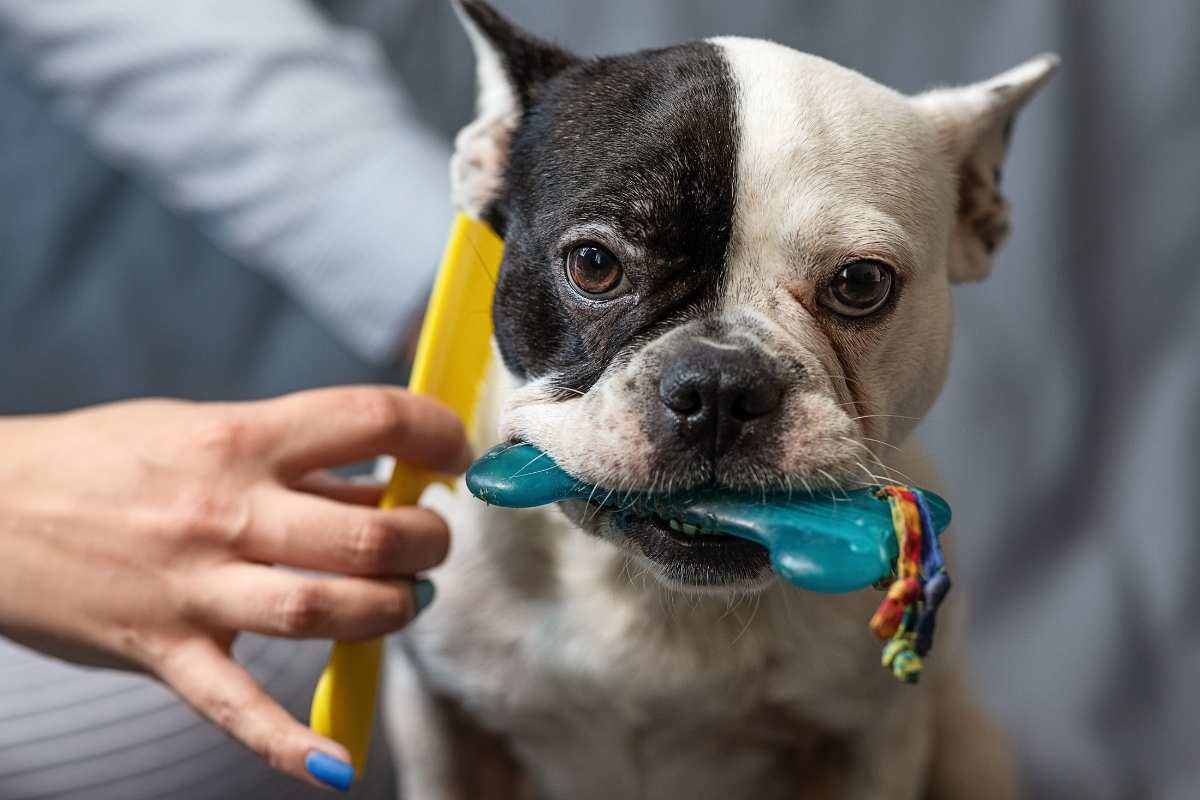
Dental chews and toys can help clean teeth while keeping your pet entertained. They work by mechanically scraping plaque off the teeth during chewing.
Best practices:
- Choose products appropriate for your pet’s size and chewing habits
- Avoid extremely hard items that could damage teeth
- Monitor your pet during chewing sessions
These additions can complement brushing but should not replace it entirely.
4. Use Water Additives and Oral Rinses
Water additives are an easy way to support oral hygiene, especially for pets that resist brushing. These products help reduce bacteria and freshen breath.
They are:
- Simple to use (just add to drinking water)
- Effective as a supplemental measure
- Helpful for maintaining daily oral hygiene
While convenient, they work best when combined with other dental care practices.
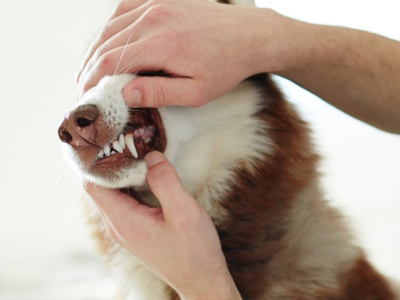
5. Check Your Pet’s Mouth Regularly
Routine at-home checks can help you spot early signs of dental problems before they worsen.
Watch for:
- Red or swollen gums
- Persistent bad breath
- Loose or discolored teeth
- Difficulty eating
Early detection allows for timely intervention and prevents more serious complications.
6. Know When Professional Care Is Needed
Even with the best at-home routine, professional cleanings are sometimes necessary. Over time, plaque can harden into tartar that requires specialized tools to remove.
If you notice signs of dental disease, your veterinarian may recommend professional pet dental care services to address underlying issues. These cleanings are performed safely and thoroughly, often under anesthesia, to ensure your pet’s comfort.
Regular veterinary visits also allow for a deeper evaluation of your pet’s oral health and help prevent advanced dental conditions.
Building a Consistent Routine
Creating a routine is essential for long-term success. Start small and gradually incorporate different aspects of dental care into your pet’s daily life.
A balanced routine might include:
- Brushing several times per week
- Providing dental chews regularly
- Monitoring oral health monthly
- Scheduling periodic veterinary checkups
Over time, these habits become easier to maintain and significantly benefit your pet’s health.
Long-Term Benefits of Good Dental Care
Investing in at-home dental care doesn’t just protect your pet’s teeth, it improves their overall quality of life. Healthy teeth and gums allow your pet to eat comfortably, avoid pain, and stay active.
In some cases, untreated dental issues may require advanced pet dental care procedures, which can be more complex and costly. Preventive care helps reduce these risks and ensures your pet remains healthy for years to come.
Take the Next Step
If you’re unsure about your pet’s dental health or need guidance on creating an effective at-home routine, professional support can make all the difference. At Park Grove Pet Hospital, experienced veterinary professionals are ready to help you maintain your pet’s oral health with personalized recommendations. Schedule your appointment today to ensure your pet’s smile stays healthy and strong.
Frequently Asked Questions
Q1. How often should I brush my pet’s teeth?
Ans. Daily brushing is ideal, but brushing 2–3 times per week can still provide significant benefits.
Q2. Can I use human toothpaste for my pet?
Ans. No, human toothpaste contains ingredients that can be harmful to pets. Always use pet-specific toothpaste.
Q3. Are dental chews enough to maintain oral health?
Ans. Dental chews help reduce plaque, but should be used alongside brushing and regular checkups.
Q4. What are the signs of dental disease in pets?
Ans. Common signs include bad breath, swollen gums, difficulty eating, and visible tartar buildup.
Q5. Do cats need dental care, too?
Ans. Yes, cats are also prone to dental disease and benefit from regular oral hygiene routines.
Q6. How often should my pet have professional dental cleanings?
Ans. This depends on your pet’s age, breed, and oral health, but most pets benefit from annual evaluations.