Your dog seems healthy, your cat is eating normally, and neither has shown signs of illness. So, do they really need another veterinary appointment this year? Many pet owners wonder whether routine checkups are necessary when their pets appear perfectly fine.
The truth is that dogs and cats can develop health problems long before noticeable symptoms appear. Dental disease, weight changes, and certain internal conditions may progress quietly. Regular veterinary visits help identify these concerns before they become more difficult to manage.
At Park Grove Pet Hospital in Cottage Grove, we believe that understanding your pet’s health needs is an important part of responsible pet ownership. In this guide, our vets explain how frequently dogs and cats should receive checkups, what affects their examination schedule, and which warning signs mean they should be seen sooner.
How Often Should Puppies and Kittens See a Veterinarian?
Young animals require more frequent veterinary attention because their bodies are developing rapidly. Their first year includes important milestones involving growth, immunity, nutrition, and behavior.
What Happens During Puppy and Kitten Veterinary Visits?
During these appointments, veterinarians typically assess several aspects of a young pet’s health, including:
- Vaccinations: Establishing protection against infectious diseases according to age and risk.
- Parasite prevention: Checking for intestinal parasites and discussing flea, tick, and heartworm prevention.
- Growth and nutrition: Monitoring weight, body condition, and dietary needs.
- Dental development: Examining baby teeth, bite alignment, and the development of permanent teeth.
- Behavior: Discussing socialization, litter box habits, training, and common behavioral concerns.
Puppies and kittens generally begin veterinary visits around six to eight weeks of age. Their core vaccination series typically continues until at least 16 weeks, with additional visits depending on their needs.
How Often Should Adult Dogs and Cats Have Wellness Exams?
Healthy adult dogs and cats generally need a comprehensive examination every 12 months. Even when pets behave normally, annual appointments give veterinarians an opportunity to identify subtle health changes.
Why Do Healthy Adult Dogs Need Annual Checkups?
Dogs may develop conditions involving their skin, ears, joints, teeth, or internal organs without immediately showing obvious symptoms.
During a routine examination, our vets can evaluate your dog’s body condition, heart, lungs, eyes, ears, mouth, and mobility. We can also discuss vaccinations, parasite prevention, nutrition, and whether additional screening tests are appropriate.
Do Indoor Cats Really Need Annual Veterinary Visits?
Yes. Indoor cats still face health risks, including obesity, dental disease, diabetes, and kidney problems.
Cats are particularly good at hiding discomfort. A cat with painful teeth might continue eating, while one experiencing joint pain may simply stop jumping onto furniture.
Annual veterinary visits allow these changes to be discussed and evaluated before they significantly affect your cat’s comfort.
Why Is Dental Health Important During Routine Veterinary Visits?
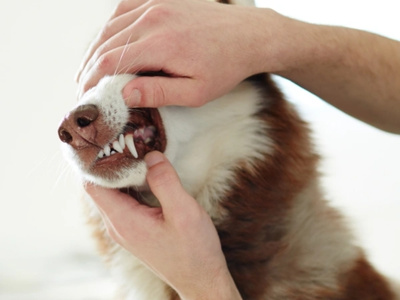
Dental health deserves attention during every stage of a pet’s life. Plaque and tartar accumulation can contribute to periodontal disease, which affects the gums and structures supporting the teeth.
Common warning signs include persistent bad breath, red gums, difficulty chewing, and visible tartar buildup.
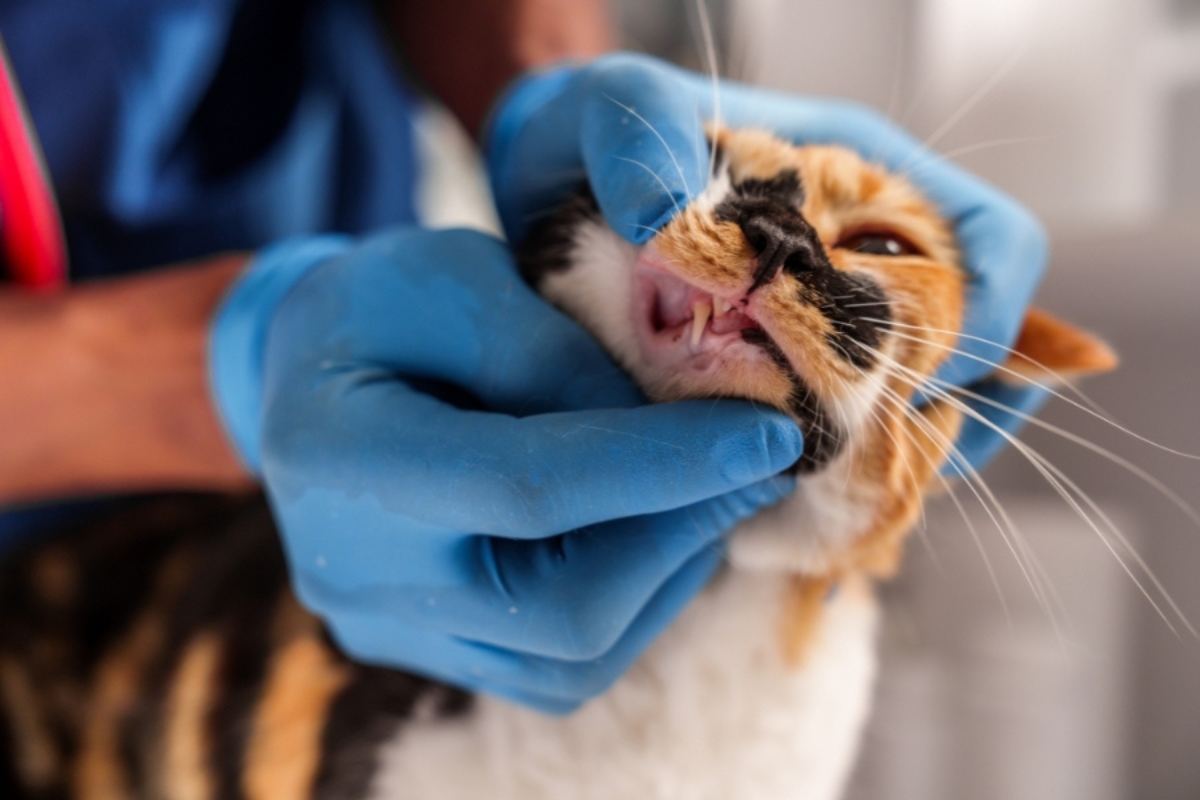
Routine examinations help our vets identify dental concerns and determine whether further evaluation or treatment is necessary.
How Often Should Dogs and Cats Receive Dental Examinations?
A veterinarian should examine your pet’s mouth during routine wellness visits. However, the frequency of professional dental cleanings depends on individual oral health findings.
Some pets develop dental disease more quickly than others, particularly smaller dog breeds and animals with crowded teeth.
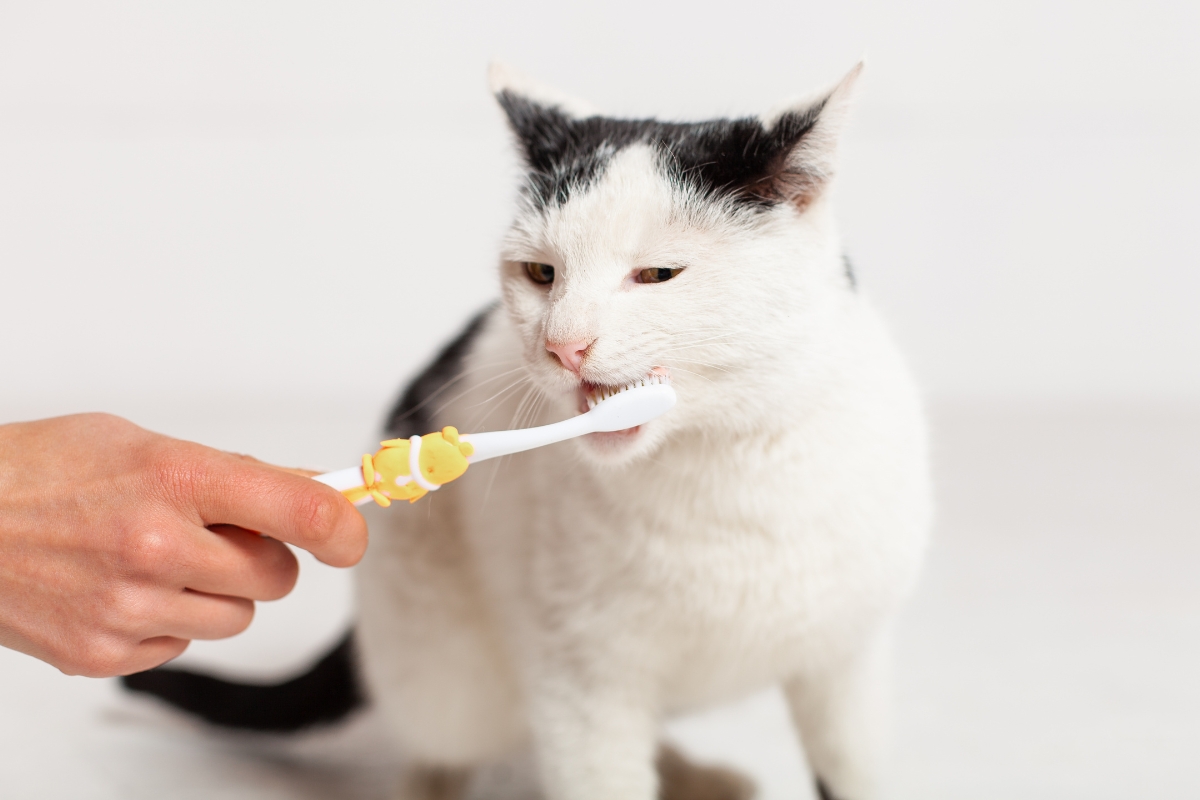
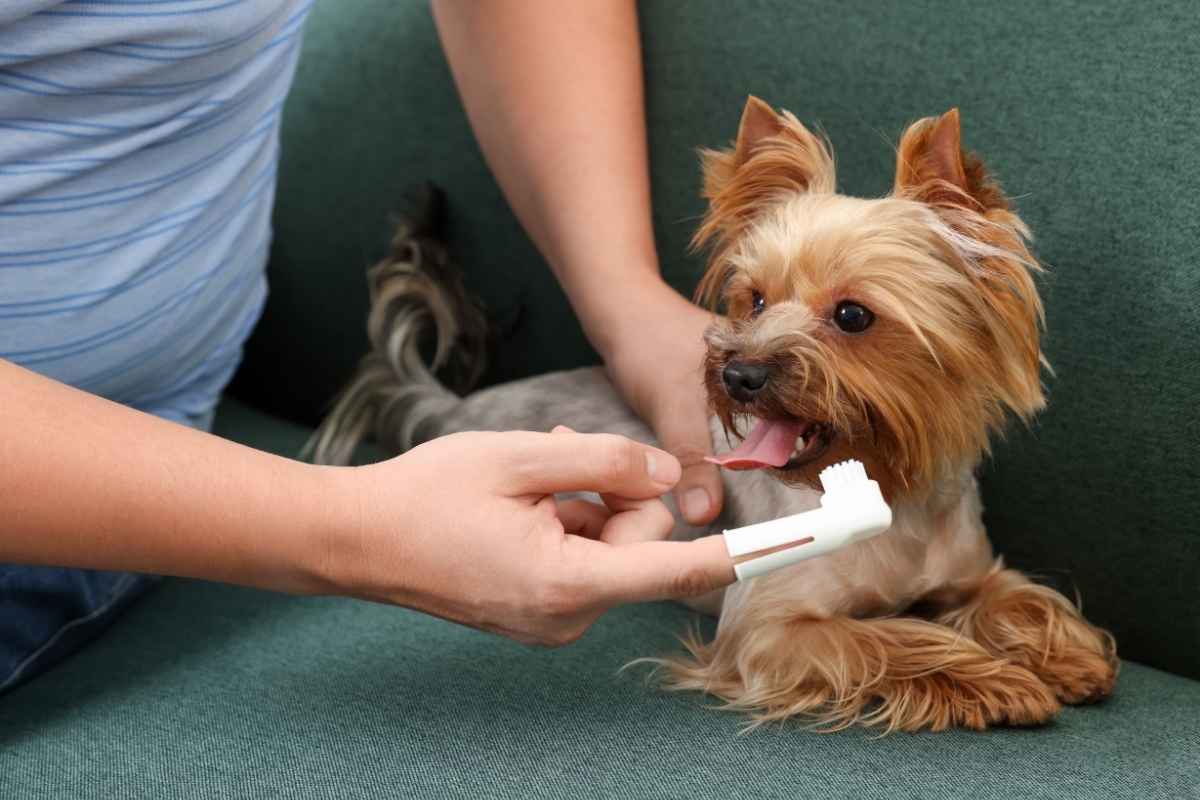
Consistent pet dental care includes veterinary examinations, appropriate home brushing, and professional dental treatment when recommended.
Our veterinary practice can assess your pet’s oral health and discuss whether a professional cleaning or additional dental evaluation is needed.
How Often Should Senior Dogs and Cats Visit the Vet?
As pets grow older, their risk of developing chronic medical conditions increases. Many veterinarians recommend wellness examinations approximately every six months for senior dogs and cats.
The age at which a pet becomes a senior varies. Large dog breeds often reach their senior years earlier than smaller breeds, while cats commonly enter their senior life stage around 10 years of age.
What Health Problems Are More Common in Senior Pets?
Older dogs and cats may experience:
- Arthritis and reduced mobility
- Kidney or liver disease
- Diabetes and other hormonal conditions
- Heart disease
- Dental disease and oral discomfort
- Changes in hearing, vision, or cognitive function
More frequent examinations help veterinarians monitor changes in weight, movement, appetite, and behavior.
Depending on the pet’s health history, blood tests, urinalysis, or other diagnostic procedures may also be recommended.
What Signs Mean Your Dog or Cat Needs a Vet Visit Sooner?
Annual or semiannual appointments are important, but certain symptoms should never wait until the next scheduled checkup.
Contact a veterinarian if your pet develops persistent vomiting or diarrhea, unexplained weight loss, increased thirst, changes in urination, coughing, limping, unusual fatigue, or changes in appetite.
Dental symptoms also deserve attention. If your pet develops swollen gums, drops food while eating, or suddenly refuses hard food, an oral examination may be necessary.
Seek emergency veterinary attention immediately if your pet experiences difficulty breathing, collapse, repeated seizures, severe bleeding, or an inability to urinate.
What Factors Affect How Frequently Your Pet Needs Veterinary Care?
Not every dog or cat follows the same examination schedule. Several factors may influence how often your veterinarian recommends appointments.
Lifestyle and exposure: Pets that frequently visit boarding facilities, dog parks, or outdoor environments may have different vaccination and parasite prevention needs.
Breed and genetics: Certain breeds have a higher risk of inherited conditions involving the heart, joints, respiratory system, or other organs.
Existing medical conditions: Pets receiving treatment for diabetes, kidney disease, allergies, or other chronic conditions may require regular monitoring.
Dental health: Animals with recurring periodontal problems may benefit from more frequent oral evaluations and individualized pet dental care recommendations.
Medication use: Pets taking long-term medications may need periodic examinations or laboratory testing to assess treatment response and potential side effects.
Our vets consider these factors when recommending a schedule that supports each pet’s health.
How Can You Prepare for Your Dog’s or Cat’s Next Veterinary Visit?
A little preparation can help you get more from your pet’s appointment.
Keep track of changes in eating habits, drinking, urination, activity, and behavior. Bring a current list of medications, supplements, and any questions you want to discuss.
For cats that become anxious during travel, leave the carrier accessible at home before the appointment. Familiar bedding and positive reinforcement may help reduce stress.
If your pet has recently received care elsewhere, sharing those medical records can also help your veterinarian understand their health history.
Give Your Pet the Attention Their Health Deserves
Your dog or cat may seem perfectly healthy today, but regular veterinary examinations provide valuable opportunities to understand what’s happening beneath the surface. From monitoring growth and dental health to recognizing changes associated with aging, consistent veterinary attention can make a meaningful difference in your pet’s quality of life.
At Park Grove Pet Hospital, we want pet owners in Cottage Grove to feel confident about making informed decisions for their animals. Our veterinary team is here to answer your questions, evaluate your pet’s health, and recommend care based on their individual needs.
Don’t wait for noticeable symptoms to make your pet’s health a priority. Contact our veterinary practice today to schedule your dog’s or cat’s next appointment and help them enjoy more healthy, comfortable years by your side.
Frequently Asked Questions
Q1. Is one veterinary visit per year enough for a healthy dog?
Ans. For many healthy adult dogs, one annual wellness examination is appropriate. However, senior dogs and pets with medical conditions may need more frequent visits. Your veterinarian can recommend an appropriate schedule.
Q2. How often should an indoor cat visit the veterinarian?
Ans. Healthy adult indoor cats generally need a veterinary examination at least once a year. Senior cats often benefit from checkups every six months because conditions such as kidney disease and arthritis become more common with age.
Q3. Should I take my pet to the vet if there are no symptoms?
Ans. Yes. Some health problems develop without noticeable early symptoms. Routine examinations help veterinarians assess weight, dental health, mobility, and other indicators that may reveal concerns before obvious illness develops.
Q4. Where can I schedule routine veterinary checkups in Cottage Grove?
Ans. You can contact Park Grove Pet Hospital in Cottage Grove to discuss your dog’s or cat’s wellness examination needs. Our veterinary team can help determine an appropriate appointment schedule based on your pet’s age and health history.
Q5. Can Park Grove Pet Hospital check my pet’s teeth during a veterinary visit?
Ans. Yes. At Park Grove Pet Hospital, our veterinary team can evaluate your pet’s oral health and discuss dental concerns. If signs of dental disease are present, our vets can recommend appropriate next steps.
Q6. How often should senior pets in Cottage Grove receive veterinary examinations?
Ans. Senior pets commonly benefit from examinations approximately every six months. At Park Grove Pet Hospital, we can help owners in Cottage Grove plan regular visits to monitor age-related changes and address emerging health concerns.