

Your dog may still race to the door when you pick up the leash, and your cat may spend hours exploring the house. When pets appear healthy, scheduling a veterinary appointment might not seem urgent. However, dogs and cats can develop health problems long before noticeable symptoms appear. Regular veterinary visits help identify these changes and support their health as they grow older.
Many pet owners wonder whether yearly checkups are enough or if their pets need more frequent examinations. This guide is especially for pet owners in Cottage Grove who want to understand how often dogs and cats should visit a veterinarian, what happens during routine examinations, and when additional appointments may be necessary.
How Often Should Dogs and Cats Visit the Vet at Different Ages?
Most healthy adult dogs and cats should see a veterinarian at least once a year, while senior pets generally benefit from examinations every six months. Puppies and kittens need more frequent appointments during their first few months.
However, age is only one factor. A pet’s breed, medical history, lifestyle, and existing health conditions can influence the recommended appointment schedule.
Puppies and Kittens: Multiple Visits During Their First Year
The first few months of a puppy’s or kitten’s life involve rapid physical development. Their immune systems are still developing, making early veterinary examinations particularly important.
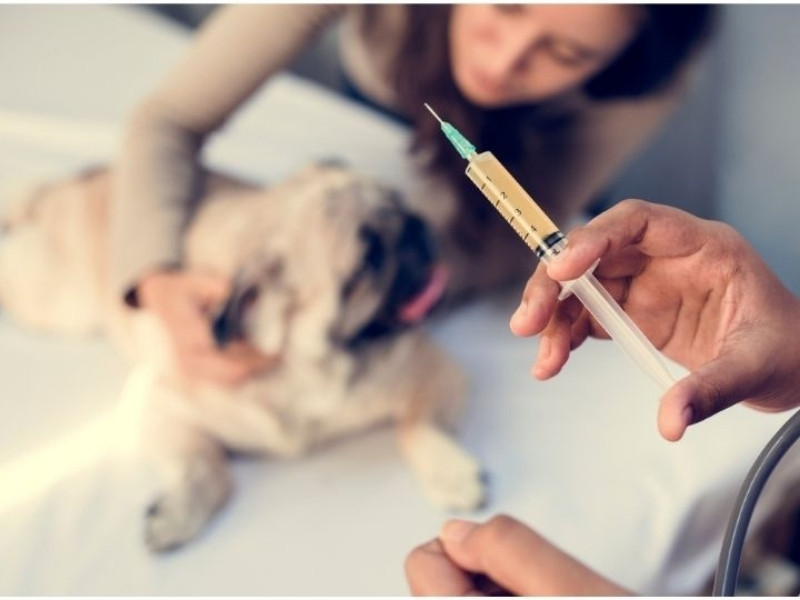
Puppies and kittens generally begin receiving vaccinations between six and eight weeks of age. Follow-up appointments usually occur every two to four weeks until approximately 16 weeks of age, depending on the vaccination schedule.
During these visits, our vets can:
- Examine physical growth and development.
- Administer age-appropriate vaccinations.
- Check for intestinal parasites.
- Recommend deworming when necessary.
- Discuss feeding habits and nutritional needs.
- Answer questions about behavior and socialization.
Additional visits may be recommended later in the first year to monitor development and address other health needs.
Adult Dogs and Cats: At Least One Annual Wellness Exam
Once dogs and cats reach adulthood, annual veterinary examinations generally provide an appropriate starting point for maintaining their health. These appointments allow our vets to evaluate physical changes, monitor weight, assess dental health, and review vaccination requirements.
Routine preventive care also provides an opportunity to identify concerns that owners might overlook at home. For example, gradual weight gain, mild dental inflammation, or changes in heart sounds may not produce obvious symptoms during everyday activities. Our veterinary practice recommends annual wellness examinations for adolescent and adult pets, with additional appointments when their health requires closer attention.
Senior Dogs and Cats: Veterinary Visits Every Six Months
Older pets experience physical changes that may increase their risk of developing chronic health conditions.
Arthritis, kidney disease, dental problems, and hormonal disorders become more common with age. Some conditions develop gradually, making their early symptoms difficult to recognize.
We generally recommend veterinary examinations every six months for senior dogs and cats.
These appointments help our vets monitor:
- Joint movement and signs of discomfort.
- Changes in appetite and body weight.
- Kidney and liver health.
- Dental disease and oral discomfort.
- Changes in drinking and urination.
- Behavior, mobility, and energy levels.
The age at which a pet becomes a senior varies by species, breed, and size. Larger dogs often enter their senior years earlier than smaller breeds.
What Happens During a Routine Veterinary Wellness Exam?
A wellness examination involves much more than checking vaccination records. Our vets assess different aspects of your pet’s health to identify potential concerns and determine whether additional testing or treatment is necessary.
Physical Examination and Weight Assessment
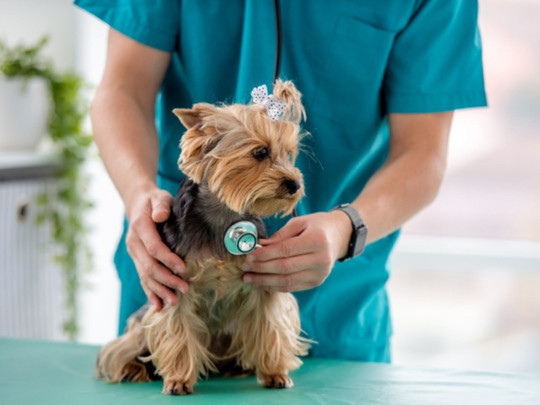
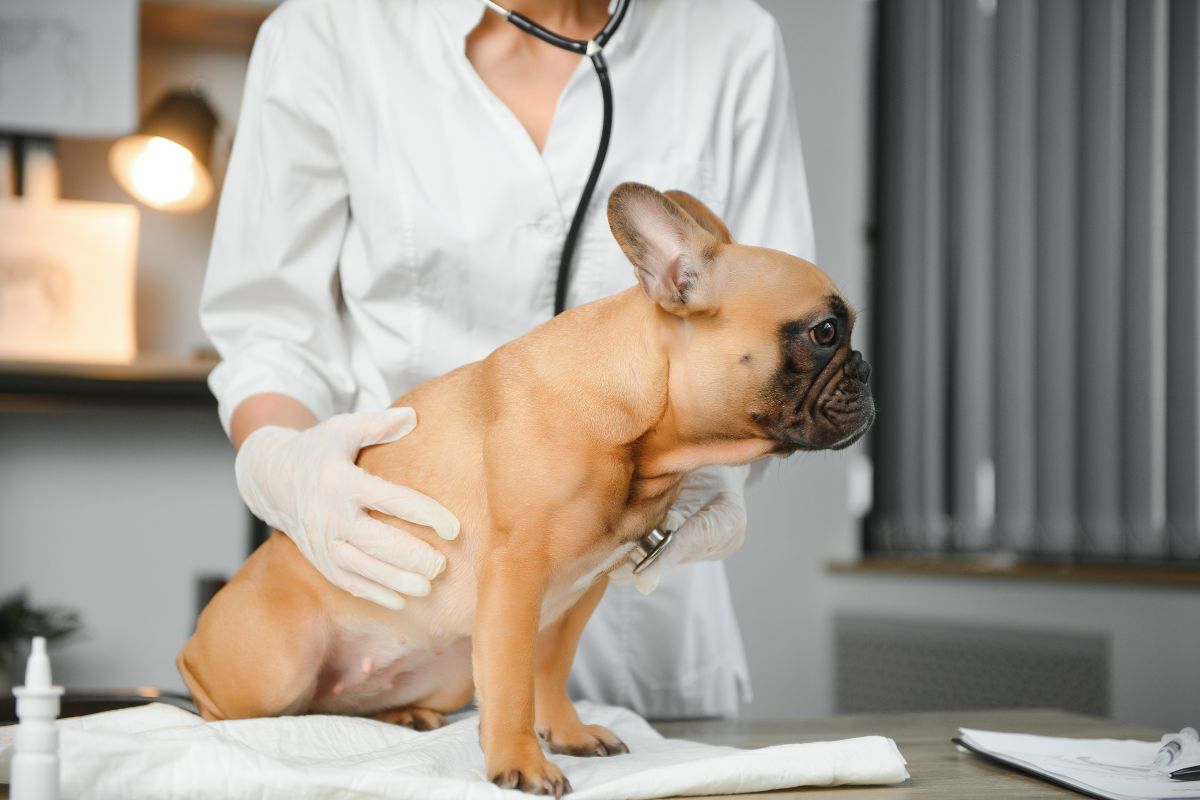
A nose-to-tail examination allows the veterinarian to evaluate your pet’s overall physical condition. This includes examining the eyes, ears, mouth, skin, abdomen, heart, and lungs. Weight measurements and body condition scoring help identify unhealthy weight changes.
Vaccinations and Parasite Protection
Vaccinations protect dogs and cats against potentially serious infectious diseases. Our vets review vaccination records and recommend appropriate protection based on age, lifestyle, and individual risk factors. Parasite prevention is another important part of routine examinations. Dogs and cats may encounter fleas, ticks, intestinal parasites, and other organisms that affect their health.
Blood Tests and Other Health Screenings
Some medical conditions cannot be identified through a physical examination alone. Depending on your pet’s age and health history, our vets may recommend blood tests, fecal examinations, or urinalysis.
For senior pets, blood chemistry testing and thyroid evaluations may help identify changes that require further investigation. Not every pet needs the same tests at every appointment. Our veterinary team considers individual health risks before recommending diagnostic screening.
Nutrition and Dental Health Discussions
A pet’s nutritional needs can change significantly throughout life. Our vets can discuss feeding habits, appropriate portion sizes, weight management, and dietary concerns. We also examine the mouth for signs of dental disease, which may cause discomfort even when pets continue eating normally.
Why Are Regular Vet Visits Important Even When Pets Seem Healthy?
Dogs and cats cannot explain when something feels wrong. They may also continue their usual activities despite developing medical problems. A cat with early kidney disease might initially show only subtle changes in drinking habits. Similarly, a dog experiencing joint discomfort may gradually become less active without obvious limping.
Routine veterinary examinations provide opportunities to recognize these changes before symptoms become more severe. Consistent preventive care also allows our vets to compare current findings with previous examination results.
These comparisons can help identify changes in weight, mobility, and other health indicators over time. Early detection does not guarantee that every illness can be prevented. However, it may provide more options for managing a condition and protecting a pet’s quality of life.
When Should You Take Your Pet to the Vet Before Their Next Checkup?
An annual or semiannual appointment schedule should never prevent pet owners from seeking medical attention when unusual symptoms appear.
Contact a veterinarian if your dog or cat develops:
- Persistent vomiting or diarrhea.
- Sudden changes in appetite.
- Increased thirst or frequent urination.
- Unexplained weight loss.
- Limping, stiffness, or difficulty moving.
- Persistent coughing or unusual breathing.
- Noticeable changes in behavior or energy.
- Bad breath, difficulty chewing, or oral discomfort.
Some symptoms require immediate attention. Difficulty breathing, collapse, repeated seizures, severe bleeding, or an inability to urinate should be treated as emergencies.
Do not wait for a scheduled wellness examination if your pet appears seriously ill.
How Can Pet Owners Make Veterinary Visits Less Stressful?
Some dogs become nervous when entering a veterinary hospital, while cats may become anxious as soon as their carriers appear.
Making appointments more comfortable can encourage consistent veterinary visits.
Pet owners can help by:
- Introducing carriers gradually using treats and familiar bedding.
- Taking dogs on short, positive car rides before appointments.
- Bringing familiar items that provide comfort.
- Keeping cats in secure carriers during transportation.
- Informing the veterinary team about previous stressful experiences.
At our veterinary practice, we use Fear Free handling techniques to help pets feel more comfortable during examinations.
Our vets also consider each pet’s individual needs when developing wellness recommendations.
Give Your Pet the Benefit of Regular Veterinary Care in Cottage Grove
At Park Grove Pet Hospital, we understand that every dog and cat has different healthcare needs. Our veterinary team focuses on individual wellness recommendations, early health assessments, and compassionate handling to help pets receive appropriate attention throughout their lives.
Whether your pet is due for an annual examination, entering their senior years, or showing unexpected changes in behavior, our vets are here to help.
Contact our veterinary practice today at 651-459-9663 to schedule your pet’s next wellness examination in Cottage Grove. Give your dog or cat the opportunity to enjoy more healthy, active years by making regular veterinary visits part of their routine.
Frequently Asked Questions
Q1. Is Taking My Dog to the Vet Once a Year Enough?
Ans. For many healthy adult dogs, one annual wellness examination is appropriate. Puppies, senior dogs, and dogs with existing medical conditions may require more frequent appointments.
Q2. Do Indoor Cats Need Regular Veterinary Checkups?
Ans. Yes. Indoor cats can still develop dental disease, obesity, kidney problems, and other medical conditions. Annual examinations help identify concerns that may not be obvious at home.
Q3. How Often Should Senior Pets Have Blood Tests?
Ans. Senior pets may benefit from blood testing every six to twelve months, depending on their medical history and health status. Your veterinarian can recommend an appropriate screening schedule.
Q4. Where Can I Schedule Annual Dog and Cat Wellness Exams in Cottage Grove?
Ans. Park Grove Pet Hospital provides wellness examinations for dogs and cats in Cottage Grove. Our vets evaluate physical health, review vaccination needs, and recommend appropriate screenings based on each pet’s age and medical history.
Q5. Does Park Grove Pet Hospital Offer Wellness Plans for Pets in Cottage Grove?
Ans. Yes. Park Grove Pet Hospital offers personalized wellness plans designed around individual pets’ healthcare needs. Our veterinary team can explain the available options and help owners understand what their pets may need throughout the year.
Q6. Can Park Grove Pet Hospital Help My Nervous Pet During a Veterinary Visit?
Ans. Yes. Park Grove Pet Hospital uses Fear Free handling techniques to help reduce stress during veterinary examinations. Our team works to make visits more comfortable for dogs and cats while addressing their individual healthcare needs.